




 6 Min Read
AIDS is a transmissible condition that affects people across the world. It is caused by infection of the Human Immunodeficiency Virus (HIV) which targets the important white blood cells and affects the immune system. As the body gradually weakens, it becomes susceptible to various complications. Every year, World AIDS Day is observed to encourage strong leadership, co-operation and compassion to work towards the collective goal of eradicating AIDS.
Synopsis
When is World AIDS Day?
Every year, World AIDS Day is celebrated on 1st December. The idea was first conceived by James W Bunn and Thomas Netter. They served as public information officers for Global Programme on AIDS, World Health Organization, in Geneva, Switzerland. They forwarded this idea to the Director of The Global Programme on AIDS, Dr. Jonathan Mann. He approved of the idea and recommended that the initial observation should be on December 1, 1988. Since then, World AIDS Day is commemorated every year on December 1.
What is AIDS?
Acquired Immunodeficiency Syndrome or AIDS happens when HIV attacks the body’s immune system and destroys the CD4 or T-cell lymphocytes, a type of white blood cell. These protect the body against infections from virus, bacteria and other pathogens. When T-lymphocytes are destroyed, the body’s immune system weakens, making it susceptible to other infections. These are called opportunistic infections as they invade the body when it has compromised immunity. HIV also increases risk of certain cancers, neurological issues, severe weight loss and even death.
Importance of World AIDS Day
AIDS has affected millions of lives across the world. As of the end of 2024, approximately 44.1 million people have died of AIDS-related complications globally, and around 40.8 million people are currently living with this condition. This makes AIDS one of the most important global public health issues, re-enforcing the importance of observing World AIDS Day every year.
-
Raising awareness: World AIDS Day serves as a platform to raise awareness about the HIV/AIDS epidemic. It brings together individuals, communities and organisations, and helps raise awareness regarding transmission, how to prevent infection and available treatment options. Awareness also helps combat stigma and misinformation surrounding AIDS.
-
Remembering lives lost: Millions of people have passed away due to AIDS-related complications since the onset of this disease. World AIDS Day is an opportunity to honour those lives. It also upholds the impact this disease has had in affected individuals and their families.
-
Education: There are ample misinformation and stigma surrounding AIDS. This prevents people from getting tested and seeking treatment. Educational campaigns organised for World AIDS Day serve as an important medium to promote proper information and help eradicate stigma surrounding AIDS, and the people affected by it.
-
Support and Progress: World AIDS Day expresses support for those affected by the disease. It also upholds the progress medical science has made towards its treatment.
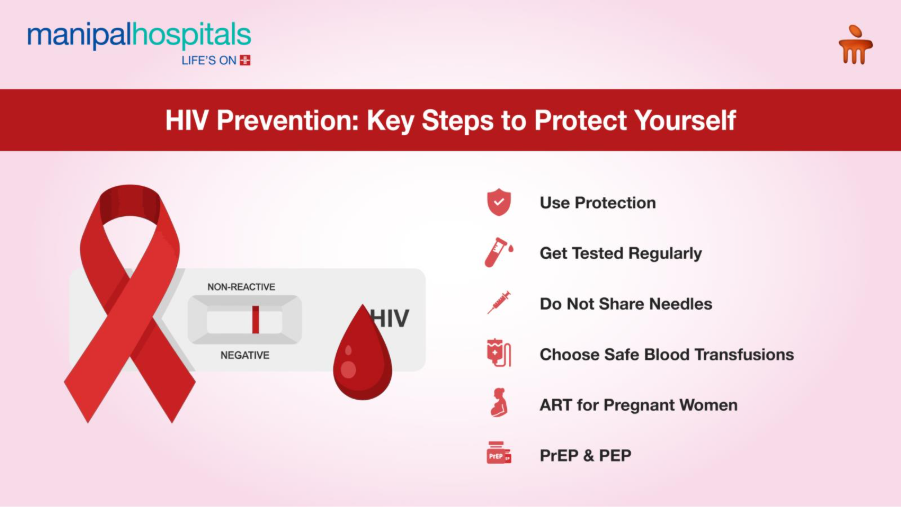
Prevention: How to Reduce Your Risk of HIV:
-
Using protection during sex: Protection helps stop HIV from passing through sexual fluids. Using them during all types of sexual contact is recommended.
-
Regular testing: This helps detect infection early. Early treatment reduces the viral load and lowers the chances of transmission.
-
Avoid sharing needles: Do not share needles, syringes or any sharp tool. HIV can spread through infected blood on used equipment.
-
Safe blood transfusions: Always choose certified centres for transfusions. Blood at these centres is screened to reduce the risk of HIV.
-
ART for pregnant women: Pregnant women with HIV can take ART to reduce the risk of passing the virus to their baby during pregnancy, birth and breastfeeding.
-
PrEP and PEP: PrEP is a daily medicine that lowers the risk of HIV before exposure and must be started within 72 hours.
World AIDS Day 2025
World AIDS Day brings together people from all over the world to help spread awareness about HIV and AIDS. Every year, this important event is celebrated as per certain themes. In 2025, the theme of World AIDS Day is "Overcoming disruption, transforming the AIDS response". It is focused on calling for sustained political leadership, approaches centring human rights, and international co-operation.
Global Participation
World AIDS Day is centred on one goal – to eradicate AIDS. One of the key methods of achieving this goal is to encourage ample participation, by public, health workers and government bodies, to promote awareness and ensure accessible care for affected individuals. Here are some ways by which you can participate in World AIDS Day:
-
Red ribbon: Red ribbon is the universal sign of solidarity for people affected by AIDS. You can wear a red ribbon at work or post about it on social media. You can also encourage your friends and family to wear one.
-
Awareness sessions: Attending local awareness sessions, seminars, and talks on World AIDS Day is a great way to participate and learn more about AIDS.
-
Fundraising campaigns: You can arrange, participate or donate towards campaigns focusing on raising funds for AIDS. Funds raised from such events help in research and attain care for low-income households.
-
Online events: You can participate in live discussions and QnA sessions with doctors to learn more about AIDS. You can also post on social media about this day to help spread awareness.
-
Volunteer work: Volunteering with NGOs is a great way to participate in World AIDS Day. You can help by distributing awareness materials, conduct educational campaigns, organise blood donation camps and more.
-
Join a memorial event: World AIDS Day is a day to honour the lives lost due to AIDS. You can light a candle or join a memorial event to honour the souls who were gone too soon.
Conclusion
Due to extensive research and medical development, AIDS is not a death sentence anymore. Timely diagnosis and consistent treatment can improve quality of life. But with life-saving services still being disrupted in many places, communities remain vulnerable to heightened risk of complications. Your voice matters. Join the movement to help raise awareness, erase stigma and strengthen the fight against AIDS. Consult an expert today at Manipal Hospitals, or visit our Infectious Diseases Treatment Hospital in Kolkata.
FAQ's
The symbolic red ribbon is intentionally designed in a slightly tilted way to represent positivity and moving forward.
Stigma associated with AIDS can make people affected by it feel isolated. This can make them judged, ashamed and less likely to seek essential treatment. Removing stigma is an essential step towards eradicating AIDS.
HIV is transmissible but not contagious. HIV transmission occurs through blood, semen, vaginal and anal fluids, and breast milk. It does not spread through physical contact, like handshakes and hugs, or by sharing food, clothing, soaps or utensils with the affected person, or sitting next to someone.
AIDS does not spread through saliva. Saliva contains enzymes, like lactoferrin and lysozymes, which deactivate HIV activity.
Antiretroviral Therapy (ART) is a combination of medicines that is used in the treatment of HIV. It strengthens immune system, prevents disease progression and reduces viral load to almost undetectable levels.
Share this article on:


.webp "Nipah virus transmission from animals to humans")





