4 Min Read
Winter allergies can be perplexing, as the symptoms they exhibit can mimic common winter infections such as the flu or the viral colds. But, while infections are caused by viruses, allergies in the winter are triggered by allergens that are present indoors. These include dust mites, mould, or pet dander, which become more concentrated in closed spaces during colder months. This is why allergies often aggravate in winter. Many people also experience winter allergy symptoms that resemble a cold or flu. Understanding what causes winter allergies helps in better management of the condition.
Synopsis
What are ‘Winter Allergies’?
‘Winter allergies’ are allergic reactions that predominantly happen during the cold season. These are triggered by indoor and environmental factors that become more prominent with the drop in temperatures. Contrary to other seasonal allergies caused by pollen, winter allergies develop inside closed spaces with poor ventilation that trap allergens easily. The root causes include dust mites, mould, and pet dander. Allergic flare-ups take place as the immune system overreacts to these ‘harmless’ substances, causing persistent symptoms. Apart from respiratory reactions, people may also experience skin manifestations and eye allergies in winter.
What causes Winter Allergies?
One might ask what causes winter allergies? During winter, people spend more time indoors, making themselves highly susceptible to various factors that can induce ‘winter allergies’. The common causes of winter allergies include:
-
Dust mites - They thrive in warm bedding, carpets, and upholstery
-
Mould spores - They grow in damp areas such as bathrooms, basements, and poorly ventilated corners
-
Pet dander - This is caused by increased indoor exposure to the pets in winter
-
Indoor heating systems - These can circulate dust and allergens throughout the house
-
Cold, dry air - This irritates the nasal passages, making symptoms worse
-
Asthma or existing allergies - This can induce stronger reactions during winter, as the airways are more sensitive to these triggers
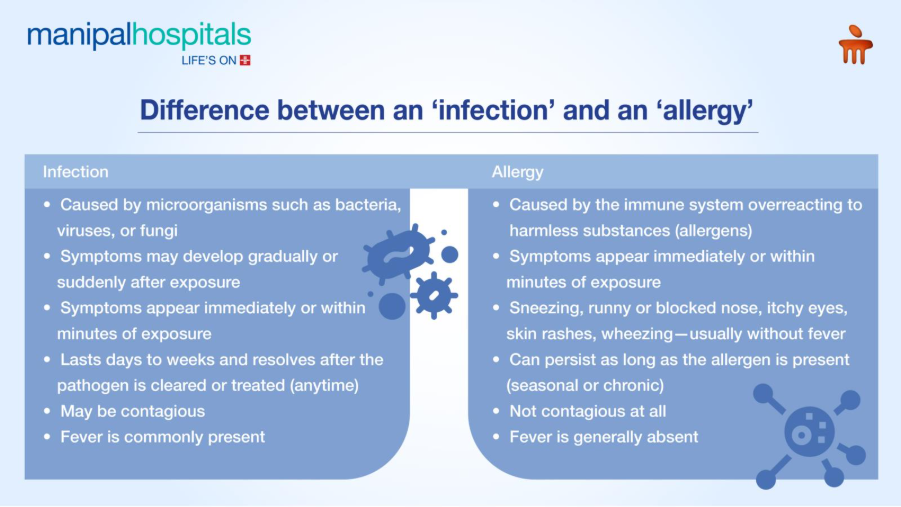
Winter allergy symptoms to look out for
The characteristics of winter allergies can resemble those of a cold, but they usually last longer and do not cause a fever. Common winter allergy symptoms often include:
-
Runny or stuffy nose
-
Frequent sneezing
-
Itchy or watery eyes
-
Cough
-
Throat irritation
-
Skin dryness or rashes
Eye or skin allergy in winter season
Skin allergy in winter season often intensifies due to dryness, low humidity, harsh soaps, and irritation caused by woollen clothing. These lead to itching, redness, or eczema flare-ups. Similarly, eye allergies in winter can bring on itching, redness, burning sensation, and excessive tearing from cold air and indoor allergens that irritate sensitive eyes. Such eye allergies are common in winter as the ventilation is usually poor. Therefore, protection of both skin and eyes from winter dryness and allergen exposure is crucial in preventing discomfort and avoiding flare-ups.
Treatment and prevention of winter allergies
The initial step towards prevention and management of winter allergies is knowing your triggers and identifying the symptoms. This should be followed by some basic measures like:
-
Keeping the indoors clean and dust-free
-
Using air purifiers or dehumidifiers to reduce allergens
-
Washing bedding and upholstery in hot water to remove dust mites
-
Ensuring proper ventilation to prevent mould build-up
-
Resorting to over-the-counter antihistamines, nasal sprays, or saline rinses to clear congestion and irritation from the nasal passage
-
Keeping the skin hydrated with moisturisers while avoiding harsh irritants
-
Wearing protective glasses outdoors helps reduce eye allergies in winter.
If symptoms persist or worsen, consulting a specialist for a detailed analysis through allergy tests and effective management of the symptoms is the only remaining option.
Conclusion
Recognising your triggers and taking proactive steps to control or manage the symptoms can help prevent winter allergies from aggravating.
Yet, if symptoms continue to interfere with daily life, seeking medical guidance becomes the need of the hour. With timely diagnosis and the right treatment, winter allergies become far easier to control throughout the colder months.
If winter allergies are affecting your comfort or daily routine, don’t wait—consult the ENT experts at Manipal Hospitals Kolkata for an accurate diagnosis and personalised treatment. Book your appointment today!
FAQ's
Some indoor plants can increase mould growth in the soil, especially in damp or overwatered pots. This mould can release spores into the air, potentially triggering allergy symptoms in individuals who are sensitive to these allergens.
Persistent allergy-related congestion can block the sinuses, leading to sinus pressure, headaches, and discomfort. Over time, this build-up can increase the risk of developing sinus infections, especially during the winter months.
Anti-inflammatory foods such as fruits, vegetables, and omega-3-rich options can help support overall immunity and reduce inflammation. However, they should be viewed as complementary and cannot replace proper medical treatment for winter allergies.
Absolutely. Winter allergens combined with cold, dry air can irritate sensitive airways, triggering asthma symptoms such as wheezing, persistent coughing, and shortness of breath, making it important for individuals with asthma to take preventive measures during colder months.
Yes. Wearing a mask outdoors helps block cold air and airborne allergens, reducing irritation in the nasal passages and throat. This simple measure can significantly ease symptoms for individuals prone to winter allergies.
Share this article on: