




 7 Min Read
Osteoporosis symptoms often go unnoticed in the early stages. The condition develops slowly and weakens bones over time, increasing the risk of fractures. Many people become aware of it only after a minor fall leads to a serious injury.
Understanding osteoporosis symptoms, along with its causes and treatment options, can help in early detection and better management. With the right care and lifestyle changes, it is possible to protect bone health and reduce future risk.
Synopsis
What is Osteoporosis?
Osteoporosis is a long-term condition that affects bone strength. Bones become thin and fragile due to reduced bone density.
Bone is a living tissue. It is constantly being broken down and rebuilt. In osteoporosis, bone loss happens faster than bone formation. This leads to weak and brittle bones that can break easily, even after a minor fall.
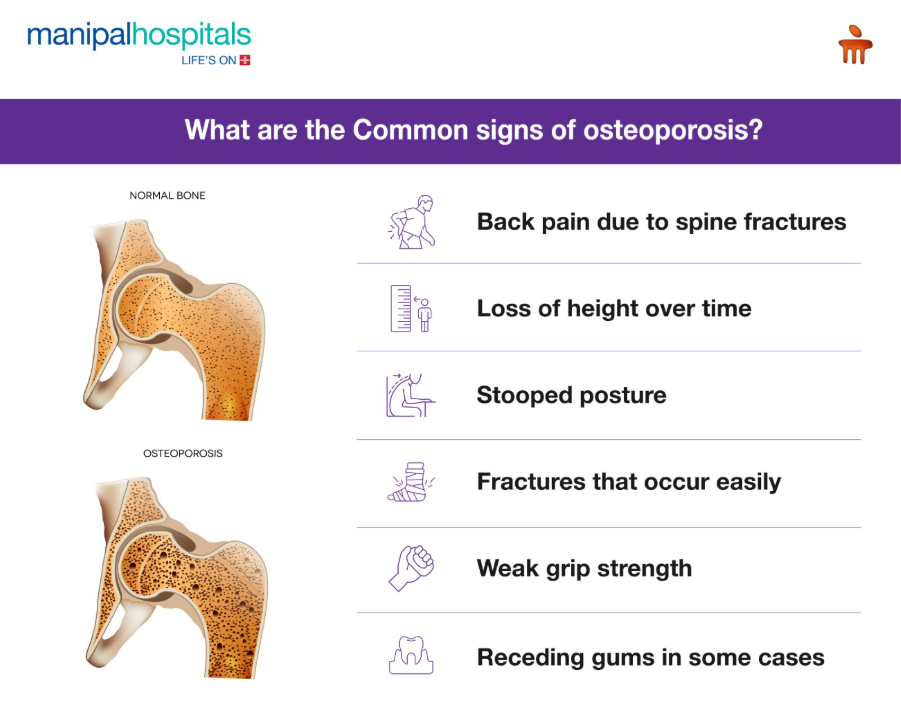
What are the Osteoporosis Symptoms?
Osteoporosis usually does not cause symptoms early on. As the condition progresses, certain signs may appear.
Common signs of osteoporosis include:
-
Back pain due to spine fractures
-
Loss of height over time
-
Stooped posture
-
Fractures that occur easily
-
Weak grip strength
-
Receding gums in some cases
In many cases, a sudden fracture is the first clear sign of the condition.
Osteoporosis Causes and Risk Factors
Osteoporosis develops due to a mix of ageing, lifestyle factors, and medical conditions. Some risks cannot be changed, while others can be managed.
Non-modifiable risk factors
-
Increasing age
-
Female gender, especially after menopause
-
Family history of osteoporosis
-
Small body frame
-
Certain ethnic backgrounds
Modifiable risk factors
-
Low calcium intake
-
Vitamin D deficiency
-
Lack of physical activity
-
Smoking
-
Excess alcohol intake
-
Long-term use of certain medicines
-
Chronic health conditions affecting hormone or nutrient balance
Managing these factors early can help reduce the risk of bone loss.
How is Osteoporosis Diagnosed?
Early diagnosis helps prevent fractures and supports better outcomes. Doctors may recommend tests based on your risk profile.
Common diagnostic methods include:
-
Physical Examination and Medical History: Your doctor will assess your overall health, lifestyle, and family history.
-
Blood and Urine Tests: To rule out other conditions and check for calcium, vitamin D, and hormone levels.
-
Bone Mineral Density (BMD) Test / DEXA Scan: This is the gold standard for diagnosing osteoporosis. A DEXA (Dual-energy X-ray Absorptiometry) scan is a quick, non-invasive test that measures bone density in the hip, spine, and sometimes the forearm. It can detect low bone density before a fracture occurs and predict your risk of future fractures.
DEXA scans provide highly accurate measurements of bone density, making them instrumental in early detection and monitoring treatment effectiveness.
Osteoporosis Treatment and Management
Osteoporosis treatment focuses on slowing bone loss, strengthening bones, and preventing fractures. A combination of lifestyle changes and medical care is often required.
Lifestyle measures
-
Regular weight-bearing exercise such as walking or light strength training
-
Avoid smoking
-
Limit alcohol intake
-
Reduce fall risk at home
Nutrition support
-
Adequate calcium intake through diet or supplements
-
Sufficient vitamin D from sunlight, food, or supplements
Medical treatment
-
Medicines may be prescribed to improve bone density
-
Regular follow-up helps track progress and adjust treatment
With consistent care, the risk of fractures can be reduced significantly.
Post-Treatment Care: What to Do and Avoid
Daily habits play an important role in protecting bone health.
What to do
-
Eat a balanced diet rich in calcium and vitamin D
-
Stay physically active with safe exercises
-
Get regular bone density tests if advised
-
Maintain a healthy weight
-
Make your home safe to prevent falls
What to avoid
-
Ignoring back pain or height loss
-
Smoking or excess alcohol use
-
Skipping medicines or check-ups
-
High-risk movements that increase fall risk
-
Self-medication
Preventing and Managing Osteoporosis
While some risk factors are beyond our control, there's a great deal you can do to prevent osteoporosis or manage its progression. Proactive steps can significantly strengthen your bones and reduce fracture risk.
Lifestyle Modifications:
-
Regular Weight-Bearing Exercise: Activities like walking, jogging, dancing, and weightlifting help build and maintain bone density.
-
Strength Training: Builds muscle mass, which supports bones and improves balance, reducing fall risk.
-
Avoid Smoking: Quitting smoking can improve bone health and overall well-being.
-
Moderate Alcohol Consumption: Limit alcohol intake to support bone health.
-
Fall Prevention: Remove tripping hazards at home, ensure adequate lighting, and use assistive devices if needed.
-
Adequate Calcium Intake: Aim for 1000-1200 mg of calcium daily through dairy products, leafy green vegetables, fortified foods, or supplements if necessary.
-
Sufficient Vitamin D: Vitamin D helps your body absorb calcium. Get it from sun exposure, fatty fish, fortified foods, or supplements.
Medical Interventions:
-
Medications: Doctor may prescribe medications designed to slow bone loss for individuals diagnosed with osteoporosis. It helps to increase the bone density. These treatments are highly effective in reducing the risk of fractures.
-
Regular Monitoring: Follow-up DEXA scans and doctor visits are essential to monitor bone health and adjust treatment plans as needed.
Conclusion
Osteoporosis can progress quietly, but its impact can be serious if left unmanaged. Recognising early signs and taking timely steps can help protect your bone health and prevent fractures.
If you have risk factors or notice symptoms of osteoporosis, it is important to seek medical advice. At Manipal Hospitals, Kolkata, our specialists provide comprehensive evaluation, accurate diagnosis, and personalised treatment plans to support long-term bone health. Consult our experts to assess your condition and take the right steps towards stronger, healthier bones.
FAQ's
No, while it is more common in women, men can also develop osteoporosis, especially after the age of 50.
While you cannot completely reverse osteoporosis, you can significantly slow its progression, improve bone density to some extent, and reduce your risk of fractures through lifestyle changes and medical treatments.
Bone health is important at all ages, but bone density peaks around age 30. After this, bone mass gradually declines. It's crucial to start focusing on bone health in your younger years, but monitoring becomes especially important after age 50, particularly for women.
Low-impact and weight-bearing exercises are safe. Avoid heavy lifting or sudden twisting movements.
Most adults need 1000 to 1200 mg of calcium and 600 to 800 IU of vitamin D daily. Speak to your doctor for personalised advice.
Share this article on:





