




 6 Min Read
Understanding potential health risks is paramount for a healthy and fulfilling life. One such condition that often progresses silently is metabolic syndrome. Rather than being a single disease, it is a cluster of conditions that, when occurring together, significantly elevate risk of heart disease, stroke, and type 2 Diabetes. This blog is a comprehensive account of metabolic syndrome, and highlights how you can take early steps towards a healthier future.
Synopsis
What is Metabolic Syndrome?
Metabolic syndrome is not a disease in itself, but rather a group of risk factors that dramatically increase your chances of developing serious health problems.
If you have at least three of the following conditions, chances are that you have metabolic syndrome:
-
Belly Fat: Abdominal obesity increases waist circumference. For men, 40 inches (102 cm) or more, and for women, 35 inches (88 cm) pose significant risk.
-
High Blood Pressure: A reading of 130/85 mmHg or higher, or if you are on medication for high blood pressure.
-
High Blood Sugar: A fasting blood glucose level of 100 mg/dL (5.6 mmol/L) or higher, or if you are on medication for diabetes. This often indicates insulin resistance.
-
High Triglycerides: A fasting triglyceride level of 150 mg/dL (1.7 mmol/L) or higher, or if you are on medication for high triglycerides.
-
Low HDL Cholesterol ("Good" Cholesterol): A fasting HDL cholesterol level of less than 40 mg/dL (1.0 mmol/L) for men and less than 50 mg/dL (1.3 mmol/L) for women, or on medication for low HDL.
Causes and Risk Factors
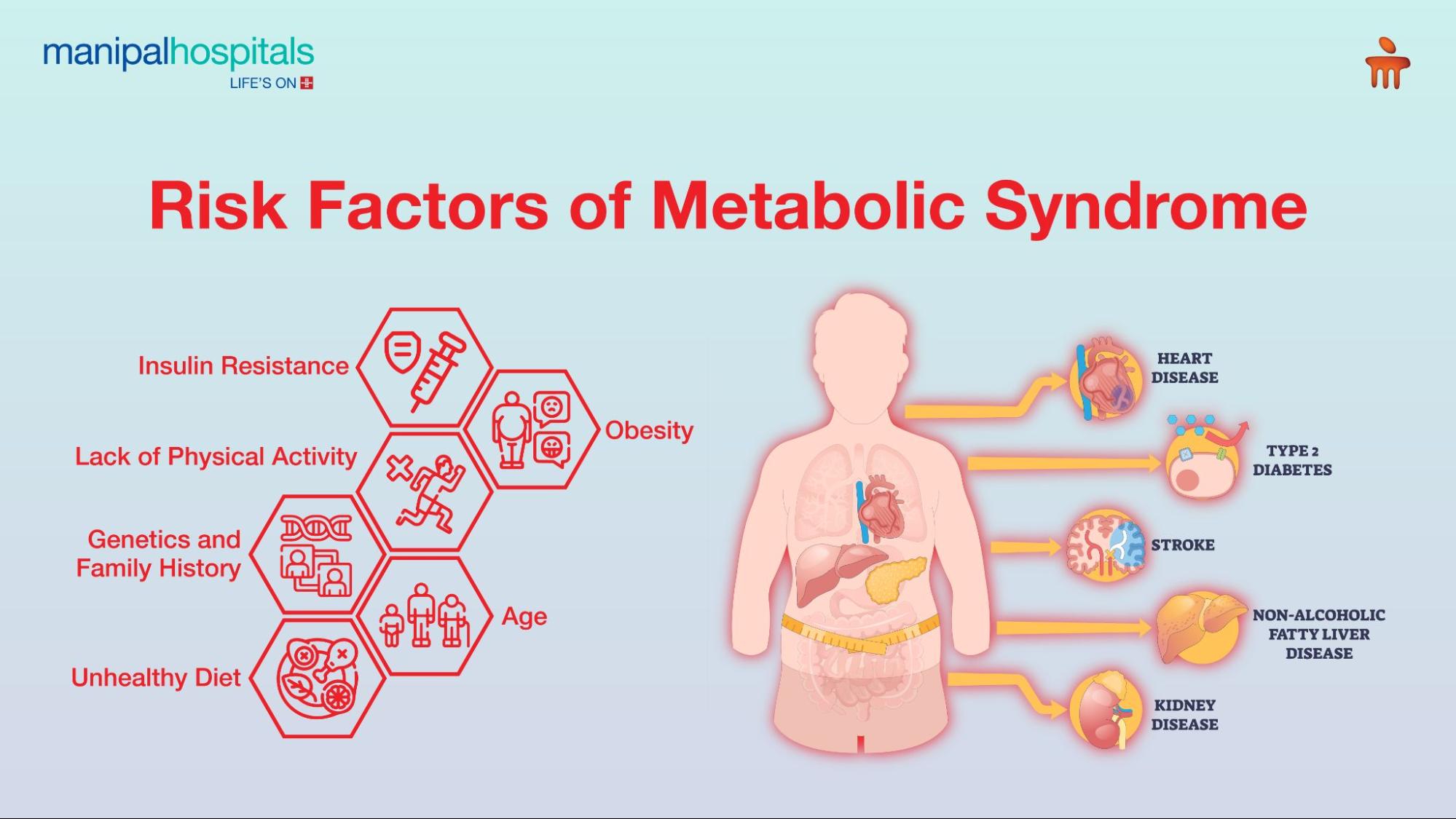
The precise cause of metabolic syndrome is complex, but key factors contribute to its development:
-
Insulin Resistance: A primary driver, where cells don't respond well to insulin, causing blood sugar levels to rise, potentially leading to type 2 Diabetes or pre-diabetes.
-
Obesity: Obesity, especially abdominal obesity, is strongly linked to insulin resistance and inflammation.
-
Lack of Physical Activity: Contributes to weight gain, insulin resistance, higher blood pressure and cholesterol.
-
Genetics and Family History: A family history of type 2 diabetes, high blood pressure, or early heart disease increases risk in individuals.
-
Age: Risk becomes higher with increasing age.
-
Unhealthy Diet: High in processed foods, sugar, and unhealthy fats, contributing to weight gain, inflammation, and insulin resistance.
Symptoms and Diagnosis
One challenging aspect of metabolic syndrome is its silent nature in the early stages. Subtle signs of metabolic disorder may include:
-
High blood sugar
-
Darkened elbows and neck (acanthosis nigricans)
-
Fatigue
-
Increased thirst
Many people discover it during routine check-ups when blood tests or measurements reveal elevated numbers. Early diagnosis is crucial; regular screenings for blood pressure, cholesterol, and blood sugar are essential.
Importance of Timely Intervention
Ignoring symptoms of metabolic syndrome can have serious consequences. The combined effect of these risk factors significantly escalates your chances of developing:
-
Heart Disease: The greatest threat, dramatically increasing risk of heart attack and stroke. Effectively managing metabolic syndrome can lower cardiovascular event risk.
-
Type 2 Diabetes: Insulin resistance is a hallmark, often leading to diabetes if not addressed. Early lifestyle changes can significantly reduce the risk of developing type 2 Diabetes.
-
Stroke: High blood pressure and hardened arteries contribute to a higher risk of heart disease and stroke.
-
Fatty Liver Disease: Non-alcoholic fatty liver disease (NAFLD) is strongly associated with metabolic syndrome.
With preventive care and proactive management, many of these risks can be significantly reduced or even reversed, improving quality of life and longevity.
Treatment and Management
The cornerstone of managing and reversing metabolic syndrome involves comprehensive lifestyle changes. These interventions are powerful and can lead to significant improvements:
-
Weight Management: Even a modest weight loss of 5-10% of your body weight can dramatically improve blood pressure, blood sugar, and cholesterol levels.
-
Regular Physical Activity: Aim for at least 30 minutes of moderate-intensity exercise 5 days a week. Consistent activity helps improve insulin sensitivity, manage weight and maintain mobility.
-
Healthy Eating: A proper metabolic syndrome diet rich in fruits, vegetables, whole grains, lean proteins, and healthy fats is paramount in maintaining your health. Limit processed foods, sugary drinks, red meat, and unhealthy fats.
-
Stress Management: Chronic stress can impact hormone levels. Practices like yoga or meditation can be beneficial in stress management.
-
Smoking Cessation: Quitting smoking is one of the most impactful steps for cardiovascular health.
-
Adequate Sleep: Poor sleep can disrupt metabolism and hormone regulation. Aim for 7-9 hours of quality sleep.
In some cases, medication may be recommended to manage individual components, but these are typically used in conjunction with lifestyle modifications.
Care Essentials: Do's and Don'ts
-
Do: Prioritize daily physical activity, aiming for at least 30 minutes most days.
-
Do: Fill your plate with a rainbow of fruits and vegetables, whole grains, and lean proteins.
-
Do: Get regular medical check-ups and screenings.
-
Do: Strive for 7-9 hours of quality sleep each night.
-
Do: Seek professional guidance for personalized diet and exercise plans.
-
Don't: Ignore symptoms or skip your annual health check-ups.
-
Don't: Consume excessive amounts of processed foods, sugary drinks, and unhealthy fats.
-
Don't: Engage in prolonged periods of inactivity.
-
Don't: Self-medicate or rely on unverified health information.
-
Don't: Underestimate the power of small, consistent lifestyle changes.
Conclusion
If you are concerned about your risk for metabolic syndrome or are experiencing any of these symptoms, it is crucial to seek timely medical advice. Book an appointment with our expert endocrinologists at Manipal Hospitals today for a comprehensive assessment and personalized care plan.
FAQ's
The most common cause is a combination of insulin resistance and abdominal obesity, along with a sedentary lifestyle and an unhealthy diet.
Yes, in many cases, metabolic syndrome can be reversed or significantly managed through comprehensive lifestyle changes, including diet, exercise, and weight loss.
No. Metabolic syndrome is a cluster of conditions that significantly increases your risk of developing type 2 diabetes, but having metabolic syndrome does not mean you already have diabetes. However, insulin resistance is a key component of both.
Individuals who are overweight or obese, lead a sedentary lifestyle, have a family history of diabetes or heart disease, or have insulin resistance are at higher risk.
It's generally recommended that adults have regular check-ups, which include blood pressure, blood sugar, and cholesterol screenings. Your doctor can advise on the frequency based on your age, risk factors, and overall health.
Share this article on:





