7 Min Read
Life after a kidney transplant is a profound opportunity for a renewed and vibrant existence. Modern transplantation medicine has dramatically improved outcomes, with one-year survival rates often exceeding 95% for living donor and 90% for deceased donor transplants. Over 70% of recipients thrive five years post-transplantation. These figures highlight the incredible potential for a long and healthy future, which is why understanding key longevity factors is essential for the maximum life expectancy after a kidney transplant.
Synopsis
The Role of Lifestyle Choices in Longevity
Your daily habits significantly protect your new organ and promote overall well-being. This makes embracing a healthy lifestyle fundamental for achieving the maximum life after kidney transplantation. With some simple yet consistent changes, active patients can experience fewer complications and a better quality of life after kidney transplant.
-
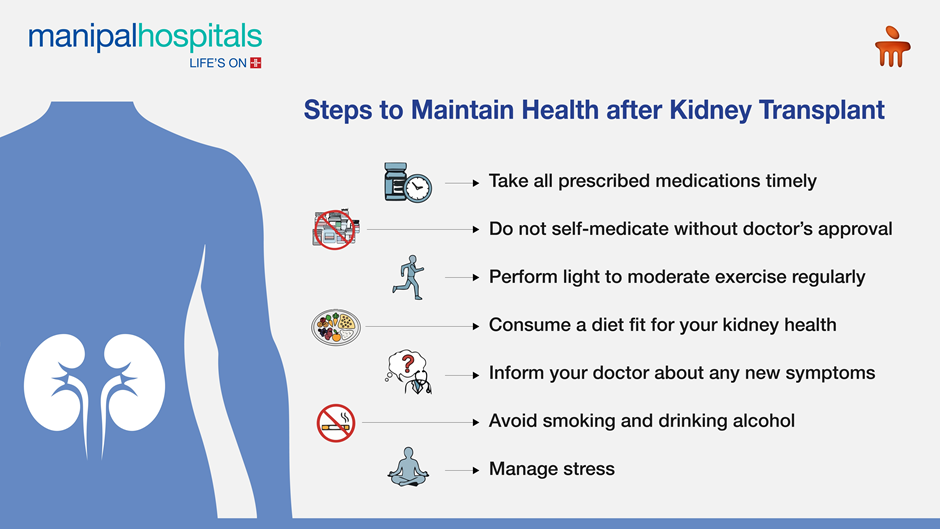
Regular Physical Activity: Moderate exercise for at least 30 minutes a day contributes towards the maximum life after kidney transplant. Exercises like light jogging, walking, and cycling helps improve cardiovascular health, maintains a healthy weight, and boosts immunity.
-
Avoiding Harmful Substances: Smoking and excessive alcohol are detrimental. Quitting smoking drastically reduces risk of cardiovascular disease and cancer, crucial for extending life expectancy after kidney transplant.
-
Stress Management: Chronic stress impacts immunity. Incorporate meditation, yoga, or time in nature for a positive impact.
-
Adequate Sleep: Aim for 7-9 hours of quality sleep nightly to support your immune system and recovery.
Essential Dietary Modifications after Transplant
Dietary choices are paramount, directly influencing your health and, in general, your life after a kidney transplant. A tailored nutritional plan is essential for optimal organ function, preventing complications, and supporting maximum life after a kidney transplant.
-
Balanced Nutrition: Prioritise fruits, vegetables, lean proteins, and whole grains for essential nutrients and to manage blood pressure and cholesterol.
-
Sodium Control: Limiting sodium is crucial for controlling blood pressure and maintaining kidney function.
-
Hydration: Drink ample water as advised for optimal kidney function.
-
Monitoring Specific Nutrients: Follow guidelines for potassium and phosphorus from your doctor or dietitian.
-
Food Safety: Due to immunosuppression, strict food safety is vital. Avoid raw or undercooked foods and unpasteurised dairy.
Consult a dietician specialising in renal diets to get a personalised plan that supports the maximum life after a kidney transplant.
Medical Adherence: Your Lifeline
Strictly adhering to your medical regimen is arguably the most critical factor in achieving the maximum life after a kidney transplant. Immunosuppressant medications are vital to prevent organ rejection and maintain your new kidney's health.
-
Medication Compliance: Take all prescribed medications exactly as directed; non-adherence is a leading cause of rejection of your new kidney by your body.
-
Regular Follow-ups: Attend scheduled appointments to monitor function, adjust medications, and catch issues early.
-
Vigilant Self-Monitoring: Report any or symptoms, like fever, swelling, or new changes in urine output immediately.
-
Blood Tests: Get regular tests to monitor medication levels and kidney function for effective treatment.
8 golden rules for kidney health
Here are 8 golden rules to follow for optimal kidney health management:
-
Control your blood pressure
-
Control your diabetes
-
Consume a healthy diet
-
Drink plenty of water
-
Exercise regularly
-
Stop smoking
-
Avoid taking over-the-counter medications frequently
-
Get yourself screened for kidney disease
Conclusion
At Manipal Hospitals, we understand that kidney transplantation is a gateway to a better quality of life for those suffering from advanced kidney disease. Our dedicated team is committed to guiding you to achieve the maximum life after a kidney transplant possible through optimised lifestyle, diligent dietary management, and continuous medical care. Book an appointment with our expert nephrologists and transplant specialists at Manipal Hospitals today.
FAQ's
The longevity of a transplanted kidney varies, but with excellent care, many recipients enjoy their new kidney for 15-20 years or more. Living donor kidneys often last longer than deceased donor kidneys.
Yes, most people can return to a relatively normal and active life after a successful kidney transplant, often experiencing a significant improvement in their quality of life after kidney transplant, compared to dialysis.
Yes, people with diabetes can undergo kidney transplant, especially for diabetes-related kidney complications or end-stage kidney disease.
Yes, most patients are successfully able to go back to work after undergoing transplant. A slow transition back to professional setting and open communication with co-workers about your health journey can be significantly helpful.
Travelling is possible after kidney transplant, but it is recommended to consult your doctor before your trip for a thorough discussion about diet, medications and other necessary factors.
The primary risks include organ rejection, infection due to immunosuppressant medications, and side effects from the medications. Close monitoring helps manage these risks effectively.
Yes, you will need to take immunosuppressant medications for the rest of your life after kidney transplant to prevent your body from rejecting the new organ. However, post-transplant, the number of medications required is significantly lesser than that before transplant.
Many women can safely get pregnant after a kidney transplant, but it requires careful planning with your transplant team to ensure optimal health for both mother and baby.
If a transplanted kidney fails, you may need to return to dialysis or consider another kidney transplant. Many patients successfully undergo a second or even third transplant.
Share this article on:


.webp "Comprehensive healthcare services at the best hospital in Kolkata")