




 6 Min Read
Our kidneys quietly perform many vital functions every day. They filter waste from the blood, balance fluids, and maintain healthy mineral levels in the body. One important indicator of how well your kidneys are working is the creatinine level in your blood.
When creatinine levels become higher than normal, it may signal that the kidneys are not filtering waste efficiently. While a temporary rise can sometimes occur due to dehydration or certain medications, persistently high creatinine levels can indicate an underlying kidney problem that needs medical attention.
Understanding what creatinine is, what causes high levels, and recognising the symptoms of high creatinine levels can help you take timely steps to protect your kidney health.
Synopsis
What Is Creatinine?
Creatinine is a waste product produced by normal muscle activity. Every time your muscles work, a small amount of creatinine is released into the bloodstream. The kidneys filter this waste and remove it from the body through urine.
Because the kidneys are responsible for clearing creatinine, doctors often measure creatinine levels through blood tests to evaluate kidney function. If the kidneys are not working properly, creatinine can build up in the blood.
Normal Creatinine Levels
Normal creatinine levels can vary slightly depending on age, muscle mass, and overall health. In general:
-
Adult men: around 0.7 to 1.3 mg/dL
-
Adult women: around 0.6 to 1.1 mg/dL
People with greater muscle mass may naturally have slightly higher creatinine levels. However, levels that rise significantly above the normal range may indicate reduced kidney function.
Doctors may also calculate the estimated glomerular filtration rate (eGFR) along with creatinine levels to assess how effectively the kidneys are filtering blood.
What Happens If Creatinine Level Is High?
If creatinine levels remain elevated, it may indicate that the kidneys are not filtering waste properly. This condition can occur due to temporary factors or long-term kidney disease.
When the kidneys fail to remove waste effectively, toxins begin to accumulate in the bloodstream. Over time, this can affect several organs and lead to complications such as:
-
Fluid retention in the body
-
Electrolyte imbalance
-
Fatigue and weakness
-
Progressive kidney damage
Early detection is important because treatment and lifestyle changes can help prevent further damage and protect kidney function.
Symptoms of High Creatinine Levels
In many cases, mild kidney dysfunction may not cause obvious symptoms at first. However, as creatinine levels rise, some people may begin to notice changes in their health.
Common symptoms of high creatinine levels include:
-
Fatigue and Weakness: When waste products build up in the body, people may feel unusually tired or weak even with adequate rest.
-
Swelling in the Body: Fluid retention can cause swelling in the legs, ankles, feet, or face.
-
Reduced Urine Output: Some individuals may notice decreased urine production or changes in urination patterns.
-
Shortness of Breath: Fluid accumulation in the body can make breathing difficult.
-
Nausea or Loss of Appetite: Toxin build-up in the blood may lead to digestive discomfort or poor appetite.
-
Confusion or Difficulty Concentrating: Severe kidney dysfunction can affect brain function and mental clarity.
These symptoms may vary depending on the severity of kidney damage and underlying causes.
Causes of High Creatinine Levels
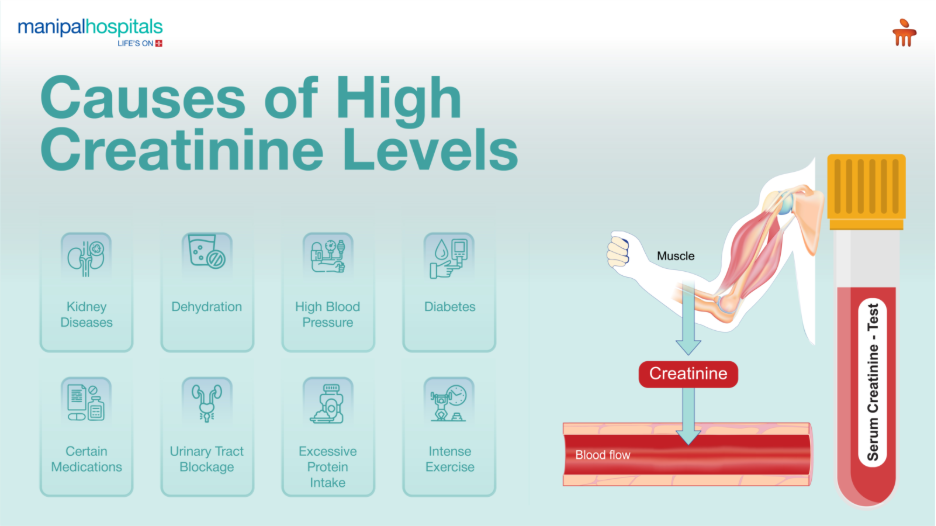
There are several possible reasons why creatinine levels may increase. Some causes are temporary and reversible, while others may indicate chronic kidney problems.
-
Kidney Diseases: Conditions such as chronic kidney disease, glomerulonephritis, or kidney infections can reduce the kidneys' ability to filter waste.
-
Dehydration: Severe dehydration reduces blood flow to the kidneys, which may temporarily raise creatinine levels.
-
High Blood Pressure: Long-term hypertension can damage blood vessels in the kidneys and affect their function.
-
Diabetes: Uncontrolled diabetes is one of the leading causes of kidney damage and elevated creatinine levels.
-
Certain Medications: Some medicines, including antibiotics, anti-inflammatory drugs, and chemotherapy medications, can affect kidney function.
-
Urinary Tract Blockage: Kidney stones, enlarged prostate, or other urinary blockages may interfere with the removal of waste.
-
Excessive Protein Intake or Intense Exercise: Very high protein diets or extreme physical activity may temporarily raise creatinine levels.
Identifying the underlying cause is essential for choosing the right treatment.
How High Creatinine Levels Are Diagnosed
Doctors usually diagnose high creatinine levels through simple laboratory tests. These tests help assess kidney function and determine the cause of the problem.
-
Blood Creatinine Test: This test measures the amount of creatinine in the blood.
-
Urine Creatinine Test: Urine tests help evaluate how effectively the kidneys are filtering waste.
-
Estimated Glomerular Filtration Rate (eGFR): This calculation estimates how well the kidneys are filtering blood.
-
Imaging Tests: Ultrasound or CT scans may be recommended to examine the kidneys and detect structural problems.
-
Additional Blood Tests: Doctors may also check electrolyte levels, blood sugar, and other indicators of kidney health.
Treatment for High Creatinine Levels
The treatment for high creatinine levels depends on the underlying cause and severity of kidney dysfunction. Early treatment can help protect kidney function and prevent complications.
Treating the Underlying Condition
Managing conditions such as diabetes, high blood pressure, or infections can help improve kidney health.
-
Medication Adjustment: If certain medications are affecting kidney function, doctors may adjust the dosage or recommend alternatives.
-
Hydration: Maintaining adequate fluid intake supports proper kidney filtration and waste removal.
-
Dietary Changes: Doctors may recommend a kidney-friendly diet that limits excess salt, protein, and processed foods.
-
Blood Pressure and Blood Sugar Control: Proper management of these conditions plays a key role in preventing further kidney damage.
Dialysis or Advanced Treatment
In severe cases where kidney function is significantly reduced, dialysis or specialised treatments may be required to remove waste from the blood.
Treatment plans vary from person to person, depending on overall health and the stage of kidney dysfunction.
Tips to Protect Your Kidney Health
Taking care of your kidneys can help prevent high creatinine levels and reduce the risk of kidney disease.
Some important steps include:
-
Drink enough water throughout the day
-
Maintain a healthy blood pressure level
-
Control blood sugar if you have diabetes
-
Follow a balanced diet with moderate protein intake
-
Avoid excessive use of painkillers and certain medications
-
Exercise regularly to maintain overall health
-
Schedule regular health check-ups to monitor kidney function
Simple lifestyle changes can go a long way in keeping your kidneys healthy.
Conclusion
Creatinine levels play an important role in evaluating kidney health. While a temporary rise in creatinine may occur due to dehydration or certain medications, persistently high creatinine levels may indicate reduced kidney function and should not be ignored. Recognising the symptoms of high creatinine levels and seeking timely medical advice can help identify underlying problems early. Proper diagnosis and appropriate treatment for high creatinine levels can prevent complications and support long-term kidney health.
If you notice symptoms such as fatigue, swelling, or changes in urination, consulting a healthcare professional can help determine the cause and guide the right treatment. You can also consult the specialist at Manipal Hospitals, Kolkata, for expert evaluation and guidance on managing kidney health.
FAQ's
When creatinine levels are high, it may indicate that the kidneys are not filtering waste effectively. This can lead to toxin build-up in the bloodstream and may cause symptoms such as fatigue, swelling, and reduced urine output.
Yes, if the increase is caused by temporary factors such as dehydration, medication use, or infection, creatinine levels may return to normal once the underlying issue is treated.
People with high creatinine levels may be advised to limit excess salt, processed foods, red meat, and very high-protein diets. A balanced diet recommended by a doctor or dietitian can help support kidney health.
Proper hydration helps the kidneys remove waste more effectively. Drinking enough water may help improve kidney function in cases where dehydration contributes to elevated creatinine levels.
You should consult a doctor if your blood tests show consistently elevated creatinine levels or if you experience symptoms such as swelling, fatigue, reduced urination, or unexplained nausea. Early evaluation helps prevent complications and supports better kidney health.
Share this article on:





