




 8 Min Read
Experiencing a racing heart, a skipped beat, or a fluttering sensation in your chest can be unsettling. These sensations, often referred to as heart palpitations, are incredibly common. While many instances are harmless and temporary, they can sometimes be a sign of a more serious underlying heart rhythm disorder, also known as an irregular heartbeat or arrhythmia. At Manipal Hospitals, we understand the anxiety these symptoms can cause, and our goal is to provide clarity and expert care. This article will help you understand the difference between benign palpitations and when it's crucial to seek medical advice for a potentially serious heart problem.
Synopsis
- Understanding Irregular Heartbeats and Palpitations
- What are Heart Palpitations?
- What is an Irregular Heartbeat (Arrhythmia)?
- Signs of a Serious Irregular Heartbeat
- Heart Palpitations Causes and Risk Factors
- Diagnosis and Treatment for Irregular Heartbeat
- Managing Heart Palpitations: Care Essentials
- Conclusion:
Understanding Irregular Heartbeats and Palpitations
To know when to worry about an irregular heartbeat, it's essential to first differentiate between common heart palpitations and a more complex cardiac arrhythmia.
What are Heart Palpitations?
Heart palpitations are sensations that your heart is beating too hard, too fast, skipping a beat, or fluttering. They are often described as a pounding, thumping, or flip-flopping feeling in the chest or neck. These sensations can be brief and infrequent, or they can occur more regularly. Importantly, up to 90% of individuals experiencing occasional palpitations find them to be benign and not indicative of a serious heart condition.
What is an Irregular Heartbeat (Arrhythmia)?
An irregular heartbeat, medically known as an arrhythmia, is a disorder where the heart beats too fast (tachycardia), too slow (bradycardia), or with an irregular rhythm. While palpitations describe the sensation of an abnormal heartbeat, an arrhythmia is the actual underlying electrical problem that causes the heart to beat incorrectly. Many arrhythmias are harmless, but some can be serious and may lead to complications like stroke, heart failure, or even sudden cardiac arrest if left untreated. Understanding arrhythmia symptoms is key to early detection.
Signs of a Serious Irregular Heartbeat
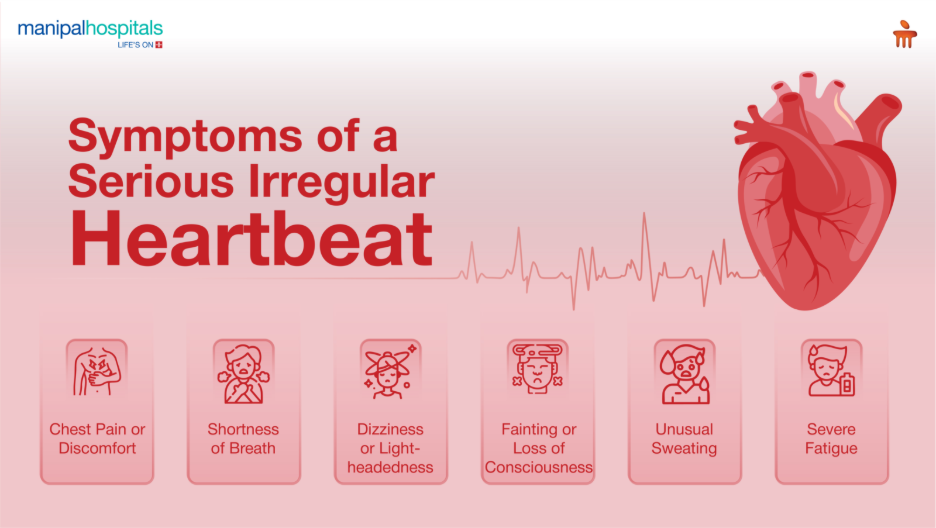
While occasional heart palpitations are often benign, certain accompanying symptoms warrant immediate medical attention. Knowing these red flags is crucial for determining when to see a cardiologist. If you experience palpitations along with any of the following, do not hesitate to consult a doctor:
-
Chest Pain or Discomfort: Especially if it's new, severe, or radiates to your arm, neck, jaw, or back. This could indicate a heart attack.
-
Shortness of Breath: Difficulty breathing, particularly if it comes on suddenly or with minimal exertion.
-
Dizziness or Light-headedness: Feeling faint, unsteady, or unusually weak during palpitations could be a sign that the brain is not receiving enough blood flow.
-
Fainting or Loss of Consciousness (Syncope): Sudden fainting episodes associated with an irregular heartbeat are a serious warning sign and require urgent medical attention.
-
Unusual Sweating: Especially cold sweats unrelated to physical activity or heat.
-
Severe Fatigue: Experiencing extreme tiredness that is not explained by activity or lack of sleep.
-
Known Heart Condition: If you have a history of heart disease, a previous heart attack, or a family history of sudden cardiac death, any new or worsening palpitations should be evaluated.
Early diagnosis and treatment of serious arrhythmias lead to successful management in over 95% of cases, underscoring the importance of timely intervention.
Heart Palpitations Causes and Risk Factors
Understanding the various heart palpitations causes can help in identifying potential triggers or underlying conditions.
Common, Benign Causes:
-
Stress and Anxiety: Emotional stress, panic attacks, or intense emotions can trigger palpitations.
-
Caffeine, Nicotine, and Alcohol: Excessive intake can stimulate the heart.
-
Dehydration: Not drinking enough fluids can affect heart rhythm.
-
Hormonal Changes: Pregnancy, menstruation, and menopause can lead to palpitations.
-
Strenuous Exercise: Sometimes, the heart can beat very hard after intense physical activity.
-
Medications: Certain cold medicines, asthma inhalers, and thyroid medications can cause palpitations as a side effect.
-
Fever: Illness and fever can temporarily increase heart rate.
Serious Underlying Causes:
-
Arrhythmias: Conditions like atrial fibrillation, supraventricular tachycardia (SVT), ventricular tachycardia, or bradycardia directly cause an irregular heartbeat.
-
Thyroid Problems: An overactive thyroid (hyperthyroidism) can lead to a rapid heartbeat.
-
Anemia: A lack of healthy red blood cells can make the heart work harder.
-
Heart Disease: Conditions such as coronary artery disease, heart valve problems, or heart muscle disease can lead to palpitations and arrhythmias.
-
Electrolyte Imbalances: Abnormal levels of potassium, magnesium, or calcium can affect heart function.
-
Structural Heart Abnormalities: Congenital heart defects or other structural issues.
Diagnosis and Treatment for Irregular Heartbeat
When you consult expert cardiologists, they will conduct a thorough evaluation to determine the cause of your irregular heartbeat and whether it's a benign palpitation or a serious heart rhythm disorder.
How Are Irregular Heartbeats Diagnosed?
A comprehensive diagnostic process begins with a detailed medical history and a physical examination. This is followed by advanced diagnostic tests that accurately identify the cause of irregular heartbeats.
-
Electrocardiogram (ECG/EKG): Records the electrical activity of your heart.
-
Holter Monitor: A portable ECG device worn for 24-48 hours, or sometimes longer, to record heart activity during daily routines.
-
Event Monitor: Worn for longer periods, activated by the patient when symptoms occur.
-
Echocardiogram: An ultrasound of the heart to visualize its structure and function.
-
Blood Tests: To check for thyroid issues, anaemia, or electrolyte imbalances.
-
Electrophysiology (EP) Study: A more invasive procedure to precisely map the heart's electrical pathways and identify the source of arrhythmias.
Treatment Options for Heart Palpitations and Irregular Heartbeats:
Treatment for heart palpitations and irregular heartbeats focuses on identifying the underlying cause and managing the condition effectively.
With the right medical evaluation and timely intervention, many heart rhythm disorders can be controlled successfully, helping patients maintain a healthy and active life:
-
Lifestyle Modifications: For benign causes, reducing stress, limiting caffeine/alcohol, staying hydrated, and avoiding triggers can be effective.
-
Medication: Various medications can help control heart rate or rhythm, manage underlying conditions (e.g., thyroid imbalance), or prevent blood clots in certain arrhythmias.
-
Cardioversion: A procedure that uses an electrical shock to reset the heart's rhythm.
-
Catheter Ablation: A minimally invasive procedure where catheters are guided to the heart to identify and destroy small areas of heart tissue causing the irregular rhythm. With timely intervention, many patients undergoing ablation achieve excellent long-term outcomes, often returning to a full, active life.
-
Implantable Devices: For some serious conditions, devices like pacemakers (to regulate slow heartbeats) or implantable cardioverter-defibrillators (ICDs) (to deliver shocks for dangerously fast heartbeats) may be recommended.
Managing Heart Palpitations: Care Essentials
Healthy Habits to Follow:
-
Consult a Doctor: Always seek medical advice if you experience frequent or concerning palpitations, especially with red flag symptoms.
-
Track Your Symptoms: Keep a diary noting when palpitations occur, what you were doing, how long they lasted, and any accompanying symptoms.
-
Manage Stress: Practice relaxation techniques like yoga, meditation, or deep breathing.
-
Stay Hydrated: Drink plenty of water throughout the day.
-
Limit Stimulants: Reduce intake of caffeine, alcohol, and nicotine.
-
Maintain a Healthy Lifestyle: Eat a balanced diet, exercise regularly (as advised by your doctor), and get adequate sleep.
What to Avoid:
-
Ignoring the Symptoms: Never dismiss severe symptoms like chest pain, fainting, or severe shortness of breath.
-
Self-Diagnose: Avoid making assumptions about the cause of your palpitations based on online information.
-
Stop Prescribed Medication: Do not discontinue any prescribed heart medication without consulting your doctor.
-
Over-Exert Yourself: If you have known heart issues, avoid intense physical activity without medical clearance.
Conclusion:
While occasional heart palpitations are often harmless, persistent or recurring symptoms should not be ignored. Understanding the warning signs and seeking timely medical advice can help identify underlying heart rhythm disorders early and prevent potential complications.
If you experience frequent palpitations, dizziness, chest discomfort, or unexplained fatigue, it is important to consult a specialist for a thorough evaluation. The experienced cardiology team at Manipal Hospitals, Kolkata, offers advanced diagnostic and treatment options for heart rhythm disorders, helping patients receive timely care and personalised treatment. Early evaluation can make a significant difference in protecting your heart health.
FAQ's
Yes, anxiety and stress are very common causes of heart palpitations and can make you feel as though your heart is beating irregularly. While anxiety itself usually doesn't cause a dangerous arrhythmia, it can trigger the sensation of an irregular heartbeat.
An irregular heartbeat (arrhythmia) is a problem with the heart's electrical system, causing it to beat too fast, too slow, or erratically. A heart attack, on the other hand, is caused by a blockage in a blood vessel that supplies the heart muscle, leading to damage or death of heart tissue. While some arrhythmias can be serious and even lead to a heart attack, they are distinct conditions.
Common diagnostic tests include an Electrocardiogram (ECG), Holter monitor (24-48 hour portable ECG), event monitor (worn for longer periods), Echocardiogram (ultrasound of the heart), and blood tests. For more complex cases, an Electrophysiology (EP) study might be performed.
Absolutely, for many benign cases of heart palpitations, lifestyle modifications such as reducing caffeine and alcohol, managing stress, staying hydrated, getting adequate sleep, and regular exercise can significantly reduce their frequency and intensity.
For many types of arrhythmias, particularly those caused by specific electrical pathways, treatments like catheter ablation offer a high chance of "curing" the condition by permanently correcting the abnormal rhythm. For other types, while a full cure might not always be possible, effective management through medication or devices allows patients to lead full, healthy lives.
Share this article on:


.webp "Comprehensive healthcare services at the best hospital in Kolkata")





