5 Min Read
Heart health tips are essential at every stage of life, as heart disease remains one of the leading causes of death worldwide. Rising stress levels, unhealthy diets, and inactive lifestyles have increased heart disease even among younger adults. However, simple and consistent changes can help protect the heart. This blog shares practical, age-wise heart health tips to help you stay healthy in your 30s, 40s, and 50s.
Synopsis
Risk Factors behind Heart Disease
Before learning some essential heart health tips, it is important to know about the risk factors which are responsible for heart disease:
-
Unhealthy diet: Diet rich in junk food, processed foods and deep-fried foods increases plaque buildup in the arteries, which can lead to heart disease.
-
Diabetes and high blood pressure: High blood pressure and diabetes can affect the heart, kidneys, and other organs of the body.
-
Sedentary lifestyle: Sedentary lifestyle can cause obesity and high blood pressure, which can increase risk of heart disease.
-
Stress: Chronic stress is responsible for conditions like high blood pressure, diabetes, and heart attacks.
-
Lifestyle habits: Smoking and heavy drinking are detrimental for your heart health, as it can lead to heart attack, stroke, and severely damage other vital organs of the body.
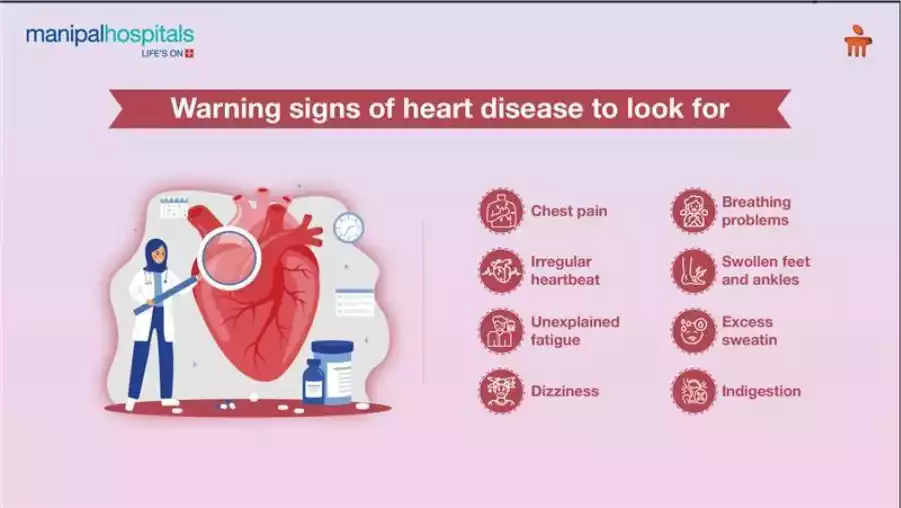
How to Check Heart Health at Home?
Heart disease progresses quickly and needs prompt treatment. To know how to check heart health at home, watch out for these symptoms:
-
Chest pain: Persistent or pressure-like pain in the chest, especially on the left side, can be a warning sign of heart trouble and requires immediate medical attention.
-
Difficulty breathing: Breathing trouble can be a sign of heart attack, especially when accompanied by chest pain.
-
Dizziness: Dizziness, which can happen due to dehydration or other reasons, can often signal heart disease.
-
Excessive sweating: Excess sweating, even with minimal physical exertion, can signal heart disease.
-
Fatigue: Unexplained fatigue can sometimes be a sign of heart disease.
-
Swelling in feet and ankle: Heart damage causes fluid to build up around ankles and feet.
-
Irregular heartbeat: Irregular heartbeat, characterized either by fast heartbeats or skipped heartbeat, is often a sign of heart disease.
Importance of Heart Health
The heart plays a vital role in keeping the body healthy by pumping oxygen-rich blood, supporting metabolism, and maintaining hormone balance. Maintaining heart health is crucial for overall well-being. Consistently following some simple heart health tips will help you maintain good health in the long run.
Age-Wise Heart Health Tips for People in their 30s, 40s and 50s
With heart disease becoming increasingly common in younger people, the importance of heart health is important for all ages.
Heart Health Tips for 30’s:
Heart health in your 30s focuses on building strong foundations, like preventing unhealthy weight gain, building healthy habits, and managing stress.
-
Exercise at least 5 days a week. You can include yoga, walking, and weight training in your workout routine.
-
Add whole foods to your diet, like fruits, vegetables, whole grains, seeds and nuts.
-
Limit consuming junk and sugary foods.
-
Avoid heavy drinking and quit smoking.
-
Get at least 7-8 hours of sleep daily.
-
Practice meditation, deep breathing exercises, and time management techniques for proper stress management.
-
Maintain blood pressure and glucose levels.
People in their 40’s:
In your 40’s, your metabolism starts slowing, and risks gradually appear. Heart health tips for 40’s focus on controlling cholesterol levels, watching blood pressure and reducing belly fat.
-
Get full body checkups every year.
-
Limit consuming processed foods and foods high in sodium.
-
Add more fibre to your diet. Oats, whole wheat, fruits and legumes are good sources of fibre.
-
Exercise regularly, focusing more on strength training and cardio.
-
Watch out for excess belly fat, as it can increase the risk of heart disease.
-
Work-life balance is essential, especially for this age group.
-
Keep track of your BP, glucose, and lipid profile.
-
Be extra careful if you have family history of heart disease.
People in their 50’s
The risk of heart disease increases significantly as you enter your 50s. Heart health tips for 50s focus on preventing strokes and heart attacks, managing pre-existing conditions, and staying active.
-
Avoid a sedentary lifestyle. Walk daily for at least 30-40 minutes.
-
Follow a low-fat diet to aid in heart health.
-
Keep your BP, glucose, and cholesterol strictly in check.
-
Consume foods rich in Omega 3-fatty acids, like walnuts, flaxseeds and fish.
-
If you experience symptoms like chest pain or breathlessness, get medical help immediately.
-
Regular stress tests and ECG are essential.
-
Stay active and prioritise mental wellbeing.
Conclusion
Heart disease is one of the biggest health concerns. Risk of heart disease increases with age, and smoking, drinking and unhealthy diet exacerbate that risk. But with some simple yet consistent steps, you can maintain heart health and avoid heart disease at any age. At Manipal Hospitals in Kolkata, our expert cardiologists use advanced diagnostic tools and curate personalised treatment plans to fit each patient’s needs. If you notice symptoms of heart disease, act immediately! Head to your nearest Manipal Hospitals unit immediately for timely cardiac care.
FAQ's
While lasting heart health requires consistency, positive changes can begin quickly. Regular physical activity, a balanced diet, routine check-ups, and quitting smoking and alcohol can start improving heart health within weeks.
One should get their heart checked every 1-2 years in their 30s, every year in their 40s, and every 6 months in their 50s.
While lasting heart health requires consistency, positive changes can begin quickly. Regular physical activity, a balanced diet, routine check-ups, and quitting smoking and alcohol can start improving heart health within weeks.
Yes, one should get their heart checked even when healthy because heart disease can be present even without any obvious symptoms.
Excess belly fat can cause insulin resistance, increase cholesterol levels and inflammation. Reducing and preventing excess belly fat is, therefore, important for heart health.
Share this article on:


.webp "Emergency ambulance service in Kolkata during heart attack")