




 5 Min Read
Chronic Obstructive Pulmonary Disease (COPD) is a progressive lung condition impacting millions globally. It makes breathing increasingly difficult and, left untreated, can become potentially life-threatening. It is crucial to understand what are the 4 stages of COPD, recognise the early signs, and adopt effective management strategies, which are vital for improving the quality of life for patients. This guide will clarify the intricacies of COPD stages, symptoms, and treatment options.
Synopsis
What is COPD?
COPD is a chronic inflammatory lung disease characterised by emphysema and chronic bronchitis, with persistent airflow obstruction (from the lungs). This leads to breathing difficulty, chronic cough, wheezing, and shortness of breath. Though progressive in nature, effective COPD management can slow its advancement and control symptoms.
Understanding the 4 stages of COPD
Understanding the 4 stages of COPD, also known as the COPD gold stages, is crucial for its effective management and treatment. The Global Initiative for Chronic Obstructive Lung Disease (GOLD) system categorises the disease based on spirometry results, specifically FEV1 (forced expiratory volume in one second). This staging system can guide COPD treatment and predict its progression.
-
GOLD 1 (Mild COPD): FEV1 is 80% or more of the predicted value. Patients, in this stage, may be unaware, experiencing only mild symptoms like a chronic cough or phlegm.
-
GOLD 2 (Moderate COPD): FEV1 is between 50% and 80%. Shortness of breath (dyspnoea) becomes noticeable during exertion, along with cough and wheezing.
-
GOLD 3 (Severe COPD): FEV1 is between 30% and 50%. Dyspnoea is significant, severely impacting daily activities. Exacerbations (flare-ups) become more frequent.
-
GOLD 4 (Very Severe COPD): FEV1 is less than 30%. Quality of life is severely affected, and exacerbations can be life-threatening. Oxygen therapy is often required in this stage.
COPD symptoms
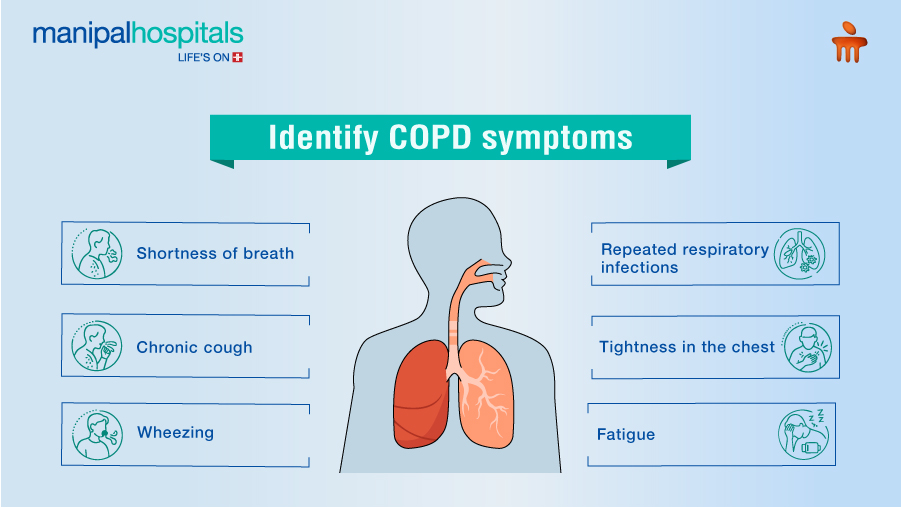
Early recognition of COPD symptoms is the key to timely intervention and management. Symptoms often progress gradually. With specific COPD symptoms, stage 1 of the condition presents as a mild cough or increased phlegm. Key symptoms include:
-
Shortness of breath (Dyspnoea)- Especially during physical activity, worsening over time
-
Chronic cough- Often producing mucus (sputum)
-
Wheezing- A whistling or squeaky sound when breathing
-
Chest tightness- A feeling of pressure
-
Frequent respiratory infections- Increased susceptibility to colds, flu, and pneumonia
-
Fatigue- Feeling unusually tired
Causes and risk factors
The primary cause of COPD is the long-term exposure to lung irritants. Over 80% of cases are linked to:
-
Tobacco smoking- The leading preventable cause, including active and second-hand smoke. Quitting significantly slows disease progression
-
Air pollution- Both indoor (e.g., biomass fuel smoke) and outdoor pollutants
-
Occupational dusts and chemicals- Long-term workplace exposure to irritants
-
Alpha-1 Antitrypsin Deficiency- A rare genetic disorder that increases risk
-
Asthma- Individuals with asthma, particularly smokers, have a higher risk
Diagnosing COPD
Accurate and timely diagnosis is essential for effective COPD treatment. Key diagnostic tools include:
-
Spirometry- The gold standard test, measuring how much air you exhale and how quickly. A FEV1/FVC ratio less than 0.70 confirms COPD
-
Chest X-ray or CT Scan- Used to rule out other lung conditions or show signs of emphysema
-
Arterial Blood Gas Analysis- Measures blood oxygen and carbon dioxide levels, crucial in severe COPD
Effective treatment for COPD
Though there is no cure for COPD, effective treatments and lifestyle changes can effectively manage symptoms, reduce exacerbations, and improve quality of life. Customised pulmonary care plans often include:
-
Bronchodilators- Inhaled medications that relax muscles around airways, making breathing easier
-
Corticosteroids- Inhaled to reduce airway inflammation; oral forms may be used for short periods during exacerbations
-
Oxygen therapy- Meant for patients with low blood oxygen, supplemental oxygen improves breathing and well-being
-
Pulmonary rehabilitation- A comprehensive program combining exercise training, disease education, and nutritional support
-
Lifestyle changes- Smoking cessation (the most critical step), avoiding lung irritants, maintaining a healthy diet, and engaging in regular physical activity
-
Vaccination- Annual flu shots and pneumonia vaccines are crucial to prevent respiratory infections, reducing needs for COPD exacerbation treatment
Breathing exercises for COPD management
Specific breathing exercises for COPD can improve lung efficiency and manage shortness of breath, potentially improving exercise tolerance and reducing breathlessness:
-
Pursed-Lip Breathing- Inhale slowly through your nose (two counts), then exhale gently and slowly through pursed lips (four counts). This helps keeping airways open longer and reduces air trapping.
-
Diaphragmatic (Belly) Breathing- Lie on your back, place one hand on your abdomen. Inhale slowly through your nose, feeling your abdomen rise. Exhale slowly through pursed lips, feeling your abdomen fall. This strengthens the diaphragm.
Conclusion
Chronic Obstructive Pulmonary Disease (COPD) is a progressive respiratory condition, but understanding its stages, recognising symptoms early, and following the right treatment plan can significantly improve quality of life. With appropriate medical care, lifestyle changes, and breathing exercises, many people can manage symptoms effectively and slow disease progression. If you or a loved one experiences persistent breathing difficulties, consult our expert pulmonologist at Manipal Hospitals Kolkata for timely diagnosis and personalised treatment to ensure better lung health and long-term well-being.
FAQ's
Life expectancy in COPD can vary widely depending on the stage of the disease, overall health, and lifestyle factors such as smoking and physical activity. With early diagnosis, proper treatment, and consistent management, many individuals can maintain a good quality of life for years.
Currently, there is no definitive cure for COPD. However, it is a manageable condition with appropriate treatment, lifestyle modifications, and regular medical care. These measures help relieve symptoms, slow disease progression, and improve overall quality of life for patients.
A COPD exacerbation, also known as a flare-up, refers to a sudden worsening of symptoms such as increased breathlessness, persistent coughing, and greater mucus production. These episodes may be triggered by infections or irritants and often require prompt medical evaluation and treatment.
The most important steps to manage COPD include quitting smoking, avoiding exposure to lung irritants such as pollution and dust, following the prescribed treatment plan, practicing breathing exercises, staying physically active, and receiving recommended vaccinations to reduce the risk of infections.
Seek medical attention if symptoms suddenly worsen, breathing becomes very difficult, mucus changes colour, or fever develops. Early medical care during flare-ups helps prevent complications and may reduce the need for hospitalisation.
Share this article on:





