




 6 Min Read
Bone and joint pain is a widespread issue that affects millions globally, and it significantly impacts daily life, mobility, and overall well-being. Be it a persistent ache or stiffness, understanding the underlying causes, getting proper diagnosis, and exploring effective treatment options to restore musculoskeletal health are crucial for lasting relief and improved quality of life.
Synopsis
What Causes Bone Pain
Various factors can be responsible for bone and joint pain, which is why a precise diagnosis is essential. Identifying the underlying bone pain causes is the first step toward finding sustainable relief. More than 80% of individuals with bone and joint pain find significant relief through personalized treatment once the cause is identified.
-
Arthritis: A leading cause of joint pain and it is classified into three categories:
-
Osteoarthritis: Here, the protective cartilage cushioning the bones wears down with time. Commonly affects knees, hips, hands, and spine.
-
Rheumatoid Arthritis (RA): It is an autoimmune disease that attacks joint linings, causing swelling, deformity, and erosion.
-
Gout: Characterized by severe pain, redness, and tenderness, often in the big toe, due to uric acid crystals.
-
-
Injuries: Injuries like sprains, fractures, dislocations, or torn ligaments can cause acute damage to bones, ligaments, tendons, or cartilage, leading to intense bone and joint pain.
-
Tendinitis and Bursitis: Repeated strain to the joints and tendons can cause inflammation of the fluid-filled sacs which cushion the joints.
-
Osteoporosis: Weakens bones, increasing fracture risk, which can lead to severe bone pain.
-
Infections: Bone (osteomyelitis) and joint infections (septic arthritis) can cause intense pain and require urgent care.
-
Fibromyalgia: Chronic widespread musculoskeletal pain and fatigue.
-
Overuse and Repetitive Strain: Repeated stress on joints or bones can cause inflammation and pain.
-
Structural Problems: Conditions like scoliosis or leg length differences can cause uneven stress and chronic joint pain. These can also be back bone pain causes.
Symptoms of Bone and Joint Pain
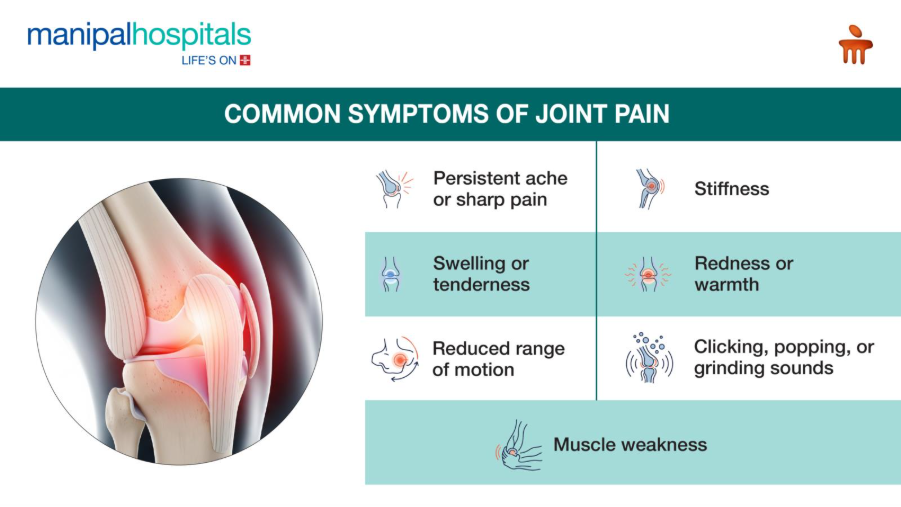
Understanding the symptoms of bone and joint pain is crucial for proper treatment. While pain is primary, other signs help pinpoint the issue. Proactive management can reduce chronic joint pain severity in a large number of patients.
-
Persistent ache or sharp pain: Varies in intensity and character.
-
Stiffness: Especially after inactivity (e.g., morning).
-
Swelling or tenderness: Inflammation around the joint, sensitive to touch.
-
Redness or warmth: Indicates inflammation or infection.
-
Reduced range of motion: Difficulty moving the joint fully.
-
Clicking, Popping, or Grinding Sounds: May indicate cartilage damage.
-
Weakness: Muscular weakness around the joint, leading to instability.
The Importance of Diagnosis
Accurate diagnosis is important for effective bone and joint pain management, as it helps your doctor create personalised treatment plans fit for your needs.
-
Medical History & Physical Exam: Assessment of symptoms, history, and joint function.
-
Imaging Tests:
-
X-rays: For bone structures, fractures, and arthritis.
-
MRI: Detailed soft tissue images (cartilage, ligaments, tendons).
-
CT Scan: Detailed bone images for complex fractures.
-
Ultrasound: Examines tendons, ligaments, and fluid.
-
-
Blood Tests: Detects inflammation markers, autoimmune indicators, or metabolic conditions.
-
Joint Fluid Analysis: Analyses fluid for infection, crystals, or inflammatory cells.
Effective Treatments to Relieve Bone and Joint Pain
Treatment for bone and joint pain can help alleviate pain, restore function, and improve quality of life. Some common yet effective treatment measures include:
-
Conservative Management:
-
Rest & Activity Modification: Get ample rest, and avoid performing aggravating activities.
-
Physical Therapy: Physical therapy provides tailored exercises to help strengthen muscles, improve flexibility, and range of motion.
-
Medications: Oral or topical pain killers and anti-inflammatory drugs may be used as per doctor’s guidance.
-
Injections: Injections like corticosteroid for inflammation, viscosupplementation for lubrication, and PRP therapy for healing are sometimes used for treating bone and joint pain.
-
Lifestyle Modifications: Weight management and nutritional guidance.
-
-
Surgical Interventions: This is considered when conservative treatments fail.
-
Arthroscopy: Minimally invasive diagnosis and treatment (e.g., cartilage repair).
-
Joint Replacement (Arthroplasty): For severely damaged joints (e.g., knee, hip replacement).
-
Osteotomy: Realigns bone to shift weight bearing.
-
Spinal Surgery: For conditions like disc herniation or spinal stenosis that cause back bone pain.
-
-
Pain Management Programs: For management of chronic bone and joint pain, interventional procedures, psychological support, and rehabilitation are often considered.
Care Essentials: Do's and Don'ts
-
Do's:
-
Seek timely medical advice for persistent pain.
-
Engage in low-impact exercises (swimming, walking).
-
Maintain a Healthy Weight to reduce stress on joints.
-
Adhere to medications and physical therapy.
-
Protect joints with good posture and ergonomic aids.
-
Listen to your body, and rest when needed.
-
-
Don'ts:
-
Don't ignore persistent pain; chronic pain needs evaluation.
-
Don't self-medicate extensively, as it can mask serious conditions.
-
Avoid high-impact activities to prevent flaring up pain.
-
Don't neglect warm-ups and cool-downs, as they are vital for joint health during exercise.
-
Don't smoke, as it impairs bone healing.
-
Don't delay seeking care; early intervention leads to better outcomes.
-
Conclusion
At Manipal Hospitals, the Department of Orthopaedics is here to guide you toward healthier bones and joints. Our expert team uses advanced diagnostics and personalized treatment plans to address the root cause of your discomfort. If you are experiencing bone or joint pain, seek timely medical advice. Book an appointment with our expert orthopaedic specialists at Manipal Hospitals today.
FAQ's
Bone pain is typically deep or sharp and constant, while joint pain involves discomfort within a joint, often with stiffness and reduced motion, worsening with movement.
Consult a doctor if pain is severe, persistent (over a few days), accompanied by swelling, redness, warmth, fever, or limits daily activities. Early evaluation helps prevent complications and determine what causes bone pain.
Yes, a balanced diet rich in calcium, vitamin D, and omega-3s supports bone strength and joint health. Avoiding inflammatory foods can also help. Consult a nutritionist for personalized advice.
Non-surgical treatments like physical therapy, medications, injections, and lifestyle changes can help manage joint pain effectively. Surgery is considered only when conservative methods fail.
Maintaining a healthy weight, regular low-impact exercise, a nutritious diet, proper posture, avoiding repetitive stress, and appropriate footwear are some measures that can help prevent joint pain. Regular check-ups help identify issues early.
Physical therapy strengthens muscles, improves flexibility and range of motion, reduces pain, and teaches proper movement patterns. It is crucial for recovery and long-term joint health.
Share this article on:





