7 Min Read
Have you ever felt a heavy, dull pressure building behind your nose and eyes throughout the day?
That's a sinus infection making its presence known. It often brings a sensation of fullness that changes the way you breathe and interrupts your focus with a persistent ache. Learning why this happens gives people a clearer understanding of the condition. It also helps them take small steps that might ease discomfort and support healthier daily breathing.
Synopsis
What is a Sinus Infection?
A sinus infection happens when the air-filled spaces in the face get blocked. These spaces normally stay open and allow airflow. When the lining becomes irritated or filled with mucus, the area gets swollen. This creates an environment where germs can grow. The nose might feel full, and the head might seem heavy for long stretches. Many people find that the pressure feels stronger when they bend forward or start the day after waking.
In simple words, sinus problems form when something disrupts normal airflow and moisture inside these small spaces. Some notice mild discomfort while others experience stronger symptoms that affect routine tasks. The body tries to clear the blockage, but sometimes needs added care to settle the inflammation.
Over time, the term sinus infection has become familiar because it affects people of all ages. The causes differ from person to person. This is why awareness of triggers can make a small yet helpful difference.
Common Causes of a Sinus Infection
Sinus often begins with small changes inside the nasal passages, although they might seem harmless at first. With time, they influence how well the sinuses drain.
Allergies
Allergies can irritate the nasal lining. Pollen, dust, or pet dander might cause the passage to swell. When swelling appears, mucus movement slows. This becomes one of the pathways that may lead to a sinus infection. People who face seasonal allergies sometimes notice symptoms more often during weather shifts. Mild irritation can turn into stronger pressure if the inflammation stays for days.
Viral Colds
Common colds also play a part in developing sinus problems. A simple cold may cause congestion that lingers longer than expected. When mucus collects, the sinuses stop draining with ease, giving the perfect environment if the blockage stays tight. Many people feel the change within a few days of catching a cold.
Nasal Structure Concerns
Some people have narrow passages from birth. Others might develop structural concerns later. These differences may affect airflow. Less airflow means the sinuses work harder to stay clear. This sometimes brings repeated episodes of a sinusitis infection.
Environmental Irritants
Smoke, dust-filled air, and pollution can irritate the nasal lining. These irritants might dry the passages or create swelling. When the lining becomes reactive, the chance of a sinus infection rises. Indoor spaces with mould might also influence symptoms.
Thick Mucus
Sometimes, mucus becomes thick due to hydration issues or illness. Thick mucus does not move easily. It sits in the sinus cavity and reduces the natural cleaning process. This situation supports the development of a sinus infection. Drinking water regularly and staying hydrated assists natural flow.
Each of these causes looks slightly different, yet they share one thing. They can disrupt the space where air should move freely. Breaking the cycle begins with understanding these small internal shifts.
Symptoms Linked to a Sinus Infection
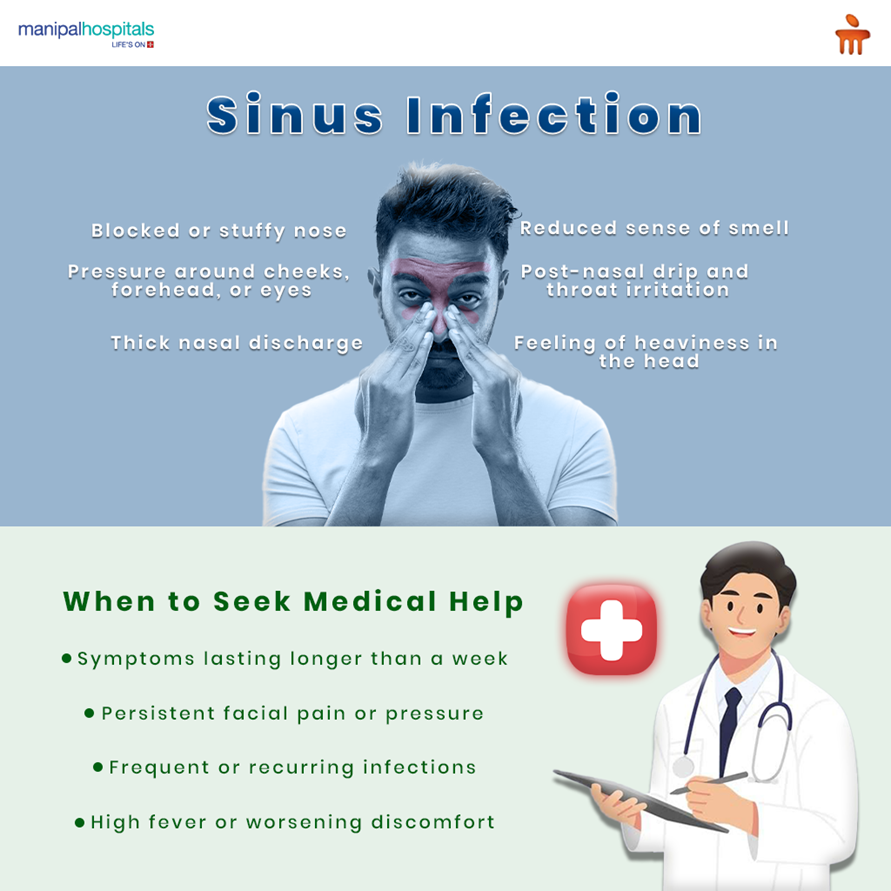
A sinus infection can bring a mix of symptoms that vary between people. Some notice only mild discomfort while others feel more pressure.
Common signs of sinus include:
-
Pain around the forehead or cheeks
-
Thick nasal discharge
-
Reduced sense of smell
-
A feeling of heaviness in the head
-
Scratchy throat from post-nasal drip
Many sinus symptoms overlap with ordinary colds. If the discomfort continues or grows stronger, people often want to understand what supports relief.
Sinusitis Treatment Options
When symptoms continue, people look for ways to ease the discomfort. Sinusitis treatment aims to calm the inflammation and clear the passages. Since each case is unique, people may respond differently to different approaches.
|
Hydration and Steam |
Warm steam may loosen mucus while helping the nasal passage feel more open. Some people stand near warm water while others use safer steam sources. This small step may support sinusitis treatment as it helps soften thick mucus. |
|
Saline Rinses |
Simple saline rinses can gently clean the nasal passages, remove dust, and help thin the mucus. People often feel clearer for a short time after a rinse. When used properly, this can become a regular part of sinusitis treatment. |
|
Warm Compress |
A warm compress placed over the cheeks or forehead can bring soothing relief by relaxing the area. Although it does not fix the problem, it becomes a comforting part of sinusitis treatment at home. |
|
Medication Guidance |
Sometimes people use over-the-counter medicines after speaking with a healthcare provider. These medicines might help settle swelling or reduce discomfort. Proper use is important because long-term use of some products might cause irritation. This care supports the overall journey of sinusitis treatment. |
|
Lifestyle Adjustments |
Simple routines like drinking enough water, resting well, and keeping indoor spaces clean may support the sinuses. These habits play a key part in sinusitis treatment by reducing pressure on the nasal lining. |
For severe sinusitis, meet a sinus expert at Manipal Hospital Jayanagar for a personalised approach.
Sinus Home Care Tips
Daily choices play a gentle role in easing the burden on the sinuses. These habits keep the passages calm and less reactive.
Useful home care tips:
-
Use a humidifier during dry seasons to keep the air moist
-
Stay hydrated through the day to support mucus flow
-
Keep bedding clean to reduce dust buildup
-
Rest well to help the body cope with inflammation
-
Avoid strong irritants like smoke
-
Rinse the nose with saline when congestion appears
These small routines reflect a quieter approach to sinus comfort. Over time, each habit helps reduce episodes of a sinus infection and makes breathing feel lighter.
How to Strengthen Sinus Prevention Habits?
Building sinus prevention habits begins with noticing patterns. People usually identify which environments cause discomfort. Once they understand the triggers, it becomes easier to create a personal routine that supports healthier breathing.
Keep Your Surroundings Clean
Dust and pollutants accumulate in closed spaces. Regular cleaning helps create an environment that supports sinus prevention. Small tasks like wiping surfaces and washing soft fabrics reduce irritation in the nose.
Stay Hydrated
Water supports the natural flow inside the sinuses. Proper hydration keeps mucus softer. When mucus stays thin, the chance of blockage reduces.
Support Your Immune Health
Good sleep, balanced meals, and gentle activity help maintain general wellness. A stronger system handles minor irritations with more ease.
Watch the Air Quality
Polluted air can irritate the passages quickly. People who live in busy urban areas often find relief from indoor air purifiers.
Manage Allergies Early
Allergies often trigger swelling in the nasal lining. People who know their triggers manage them before symptoms appear. This early care supports sinus prevention by keeping the nasal passage calmer.
By applying these small habits each day, the overall pressure on the sinuses reduces. This gives the body a healthier base to handle seasonal changes and common irritants.
FAQ's
A cold often clears within a few days, but a sinus problem makes the face feel heavier for longer. People notice pressure around the cheeks or forehead and thicker mucus. If this feeling stays or grows, it points more toward sinus trouble.
Most sinus infections start with a cold or allergies that block the nose. Sometimes it’s due to nasal polyps, a bent septum, or even pollution. Once mucus gets trapped, it becomes easier for bacteria or viruses to grow.
Small habits make a big difference for sinus prevention. Clean air, enough water, and good rest help the passages stay calm. With daily care, the sinuses feel less reactive to common triggers.
A cold usually fades in a few days. But if your head feels heavy, your face hurts, and your nose stays blocked for more than a week, it’s likely a sinus infection. Those are common signs linked to typical sinus infections.
If the discomfort lasts more than a week or the pain keeps getting sharper, it is safer to speak with a medical team. Some people also feel fever or strong pressure that does not settle. These signs suggest the sinus infection needs proper attention.
Yes, allergies often swell the nasal lining, and this slows mucus movement. When the lining stays irritated, a sinus infection becomes more likely. Managing allergies early supports better sinus prevention throughout the year.
Home care brings comfort for many people, especially when used early. If the sinus infection keeps coming back, professional advice helps find the root cause. This guidance often strengthens long-term sinusitis treatment and improves daily breathing.
Share this article on:


--Symptoms-and-Septoplasty-Recovery.webp "Deviated Nasal Septum (DNS): Symptoms and Septoplasty Recovery")