5 Min Read
Breast cancer is the most common type of cancer among Indian women, and it is gradually rising in both urban and rural areas. Studies have reported that 14% of all cancers in women are breast cancer, with over 2,00,000 cases being reported each year. However, early detection can significantly improve survival rates; localised breast cancer detected early boasts over a 99% 5-year survival rate. Understanding the global health threat posed by breast cancer and the significance of early detection for improved outcomes is vital in building a strong awareness towards breast cancer symptoms, causes, risk factors, and available treatment options. This blog highlights all the details you should know about breast cancer.
Synopsis
What is breast cancer?
Breast cancer begins when cells in the breast grow uncontrollably, often forming a tumour that can be felt as a lump or seen on an imaging test. Though breast cancer primarily affects women, men can also develop this condition, albeit rarely. Thus, recognising breast cancer symptoms early is crucial for effective and timely intervention with improved prognoses.
Recognising breast cancer symptoms
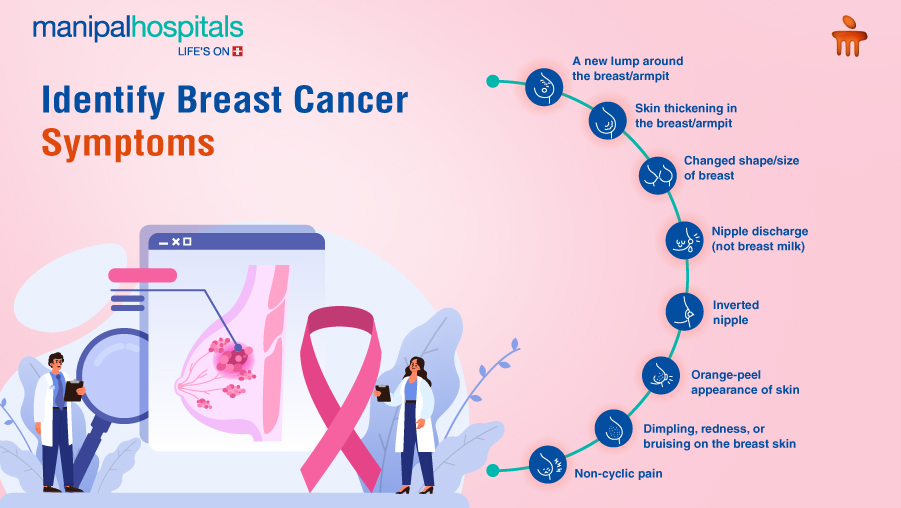
Awareness of potential breast cancer symptoms is the first crucial step toward early diagnosis. Identifying the symptoms early can empower individuals to seek prompt medical attention, enabling earlier intervention and improving overall treatment success. While a lump is commonly recognised, other signs warrant medical attention. Consult a doctor if you notice any persistent changes in your breast, like:
-
A new, rapidly growing lump/thickening in or near the breast or armpit
-
Changes in breast size or shape that are not related to the menstrual cycle
-
Clear or bloody nipple discharge which happens on its own.
-
Skin changes, such as dimpling, puckering, redness, scaling, or thickening of the breast or nipple skin, or resembling an orange peel (peau d'orange)
-
Nipple changes, like an inverted or cracked nipple, or tenderness, pain, or scaling around the nipple area.
-
Persistent breast or nipple pain that does not resolve
Causes of breast cancer
Pinpointing the causes of breast cancer is complex, as they are often a combination of genetic, lifestyle, and environmental factors. However, several risk factors have been identified:
Genetics and heredity
-
Family history of having a close relative with breast cancer can multiply the chances
-
Inherited gene mutations BRCA1 and BRCA2 can significantly increase the risk
Lifestyle and environment
-
Regular alcohol consumption can increase the risk of developing breast cancer.
-
Excess body weight or obesity, particularly after menopause, is associated with a higher risk of breast cancer.
-
A sedentary lifestyle with little or no physical activity can contribute to an increased breast cancer risk.
-
Exposure to radiation in the chest area, especially at a young age, may elevate the likelihood of developing breast cancer.
-
Long-term hormone therapy after menopause can increase the risk of breast cancer.
Breast cancer treatment options
Advancements in medicine have revolutionised breast cancer treatment, leading to significantly improved survival rates. The choice of treatment depends on the type and stage of the cancer, as well as the health condition of the patient. Common modalities include:
-
Surgery - This mainly includes ‘Lumpectomy’ or breast-conserving surgery (only tumour removal) and ‘Mastectomy’ (entire breast removal)
-
Radiation Therapy - This uses high-energy rays to kill cancer cells, often after surgery
-
Chemotherapy - This uses drugs to kill cancer cells throughout the body (before or after surgery or both)
-
Hormone Therapy - This helps in blocking the hormones that fuel certain types of breast cancer
-
Targeted Therapy - This involves administering drugs that target specific cancer cell characteristics
-
Immunotherapy - This helps the body's immune system to fight cancer cells
Take care of your breast health
While some factors contributing to breast cancer are unchangeable, many lifestyle choices can be modified to reduce your risk of developing this disease. An aware mind and a vigilant eye can help with early diagnosis and timely treatment.
-
Regular breast self-exams and clinical check-ups are vital
-
Mammography screening after the age of 40 is crucial. Mammograms can detect lumps even before they can be felt
-
Maintaining a healthy weight is essential
-
Engaging in regular physical activity increases your defence mechanism
-
Limiting alcohol consumption can help lower your risk
Remember, breast lumps can be benign. However, any new or unusual lump, or other persistent signs must be evaluated by a specialist to rule out cancer.
Conclusion
Breast cancer symptoms can often be subtle in the early stages, making awareness and timely recognition essential for effective treatment. Do not overlook potential signs, as early evaluation can significantly improve outcomes. At Manipal Hospitals, our multidisciplinary team delivers personalised, evidence-based care supported by advanced treatment options for the best possible outcomes and improved quality of life. If you notice any concerning changes in your breast/s, seek timely medical advice. Book an appointment with our expert breast oncologists today at Manipal Hospitals EM Bypass to receive comprehensive care tailored to your condition.
FAQ's
Yes, men can get breast cancer, though it is rare, accounting for less than 1% of all cases. Symptoms are like those in women, such as a lump or nipple discharge.
No, most breast lumps are benign (non-cancerous). However, it is crucial to have any new or unusual lump evaluated by a doctor to rule out breast cancer.
Screening guidelines vary, but generally, women are advised to start regular mammograms around age 40-45, continuing annually or biennially (once every 2 years). Discuss your personal risk factors with your doctor to determine the best screening schedule for you.
The survival rate for breast cancer varies greatly depending on the stage at diagnosis. For localised breast cancer (stages 1 and 2), the 5-year survival rate ranges between 80%-95%. Overall, survival rates continue to improve due to early detection and advanced treatments.
While diet and lifestyle cannot guarantee prevention, maintaining a healthy weight, regular physical activity, limiting alcohol, and eating a balanced diet can significantly lower your risk of developing breast cancer.
Share this article on: