_1_(5).webp "PET CT Scan in Delhi | Manipal Hospitals")
PET-CT Scan (FDG) in Delhi ncr
Manipal Hospitals provides comprehensive PET CT scan in Delhi through its Radiology and Nuclear Medicine teams. Hybrid PET-CT systems combine functional metabolic data with anatomical CT images for precise assessment. Care pathways standardise preparation, tracer administration, scanning, and reporting. Clinicians explain the procedure, fasting needs, and post-scan guidance clearly. Digital workflows support timely image reconstruction and secure result delivery. The service supports oncology staging, treatment response evaluation, and selected neurological or cardiac assessments.
Hospital Locations
-
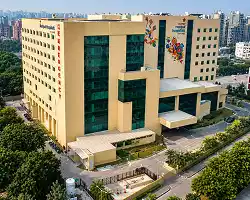
Dwarka - Delhi NCR
-

Gurugram - Delhi NCR
-
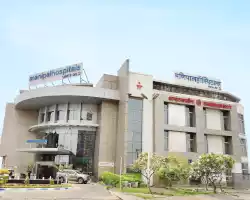
Ghaziabad - Delhi NCR
How It Works
-
Preparation: Patients receive instructions on fasting, hydration, and medicines that may affect uptake. Gentle activity and warmth help comfort.
-
Tracer Injection: A small amount of radiotracer, commonly FDG, is injected intravenously to highlight metabolic activity.
-
Uptake Period: Patients rest quietly to ensure stable tracer distribution and reduce muscle uptake artefacts.
-
Hybrid Imaging: The scanner acquires PET data for metabolism and CT data for structure in the same session.
-
Image Processing: Specialists reconstruct images, apply corrections, and review standardised uptake values where appropriate.
-
Clinical Context: Findings are interpreted alongside history, examinations, and prior imaging when available.
-
Indications: Typical uses include tumour detection, staging, response assessment, and selected neurological and cardiac evaluations.
-
Safety: The procedure is well tolerated. Radiation exposure is controlled, and staff monitor comfort throughout.
-
Reporting: Structured reports highlight sites of abnormal uptake and relevant anatomical correlations.
-
Communication: Results are shared securely with the referring clinician to support timely decisions.
-
Follow-up: Imaging may be repeated to monitor therapy or clarify indeterminate changes.
-
Support: Staff provide clear post-scan advice and confirm any temporary activity restrictions.
_1_(1).webp "PET CT Scan in Delhi | Manipal Hospitals")
Didn’t find what you were looking for?
Request a CallbackBenefits
Choosing Manipal Hospitals for a PET-CT scan ensures:
-
Combined metabolic and anatomical imaging in one session.
-
Early detection of abnormalities before structural change is evident.
-
Standardised protocols support consistent image quality.
-
Useful for staging, response assessment, and restaging in cancer care.
-
Selected neurological and cardiac applications for functional evaluation.
-
Clear preparation and after-care guidance for patients.
-
Structured reporting that supports fast clinical decisions.
What to Expect
Before the Scan
Brief consultation to confirm history, medicines, and fasting status. Clear written guidance on preparation and comfortable clothing.
During the Scan
Intravenous tracer injection followed by a quiet rest period for uptake. Hybrid PET-CT imaging while you lie still; staff monitor comfort. Typical scan time varies by protocol and clinical need.
After the Scan
Simple advice on hydration and activity. A structured report is prepared and shared with your doctor. Follow-up may include review appointments or additional tests.
Pathway Support
Education materials explain images, common terms, and next steps. Refer to the hospital website for more information on preparation, uptake, imaging, reporting, and follow-up.
Why Manipal Hospitals?
Manipal Hospitals, Delhi, delivers PET-CT services through coordinated Radiology and Nuclear Medicine pathways. Teams standardise preparation, uptake timing, and hybrid acquisition to support reliable outputs. Reporting templates summarise metabolic activity with anatomical correlation to assist clinicians. Digital systems secure images and enable comparison with prior studies when available.
Collaboration with oncology, neurology, cardiology, and surgery supports decisions on staging, treatment selection, and response assessment. Patients receive clear explanations and practical after-care advice. Comfort, privacy, and respectful communication are prioritised throughout each visit.
Reliability is reinforced by checklists and quality control processes. When findings are complex, cases can be discussed within multidisciplinary meetings to refine clinical plans. This approach aims to convert imaging data into timely, actionable steps for the referring team. Families seeking a PET scan in Delhi often value consistent protocols, secure reporting, and clear timelines from scan to clinical action.
Centre of Excellence
Department of Nuclear Medicine at Manipal Hospitals offers an advanced PET scan in Delhi, providing functional imaging integrated with anatomical correlation. PET-CT protocols are extensively used for cancer diagnosis, staging, restaging, and treatment-response evaluation, with selected neurological and cardiac applications. Specialists coordinate preparation, tracer administration, hybrid acquisition, and structured reporting.
Services Offered
-
Whole-body and region-specific PET-CT scans
-
FDG and selected specialised tracer studies
-
Oncology staging, response assessment, and restaging
-
Neurological and cardiac functional assessment (selected pathways)
-
Integration with CT, MRI, and laboratory findings
-
Multidisciplinary case discussion when appropriate
-
Pre- and post-scan counselling and preparation leaflets
-
Secure digital reporting to referring clinicians
-
Follow-up imaging to monitor therapy
Facilities & Services
-
Hybrid PET-CT systems with high-quality reconstruction
-
Private uptake and scanning areas to support comfort
-
Skilled nuclear medicine technologists and radiologists
-
Controlled radiation protocols and safety checks
-
Clear preparation guidance and after-care advice
-
Rapid, secure digital report delivery
-
Coordination with oncology, neurology, and cardiology team
-
Accessible spaces and considerate scheduling
-
Respectful, discreet reception and waiting areas
Frequently Asked Questions
It is a hybrid test that combines metabolic imaging from PET with structural imaging from CT. Together, they show where abnormal activity occurs and exactly where it sits in the body.
You will usually fast for several hours and avoid strenuous activity on the day. Wear warm, comfortable clothing. Bring a list of medicines, including diabetes treatments, so staff can advise on timing.
The scan is painless. You may feel a brief sting when the tracer is injected. Afterwards, you lie still while the scanner acquires images. Staff monitor comfort and can pause briefly if you need support.
PET CT scan in Delhi normally lasts between thirty and sixty minutes, depending on protocol. The uptake phase is usually the longest part. Staff will explain timings at check-in.
Yes. Radiation exposure is controlled and kept as low as reasonably achievable for diagnostic quality. Tell the team if you are pregnant or breastfeeding. Staff verify identity, check the tracer dose, and follow safety procedures.
Consult our Experts



You’re on Our Indian Website
Visit the Global site for International patient services
'Click' to chat with us
