
Eye Infection Treatment in Delhi ncr
Manipal Hospitals offers specialised care for bacterial, viral, and fungal eye infections. Its expert ophthalmologists provide advanced eye infection treatment in Delhi, using modern diagnostic tools to identify the exact cause and develop personalised treatment plans. Depending on the condition, care may involve antibiotics, antivirals, or anti-inflammatory medicines. Early diagnosis is key to preventing complications and preserving vision. The team also guides patients on hygiene and eye protection to support long-term eye health and prevent recurrence.
Hospital Locations
-
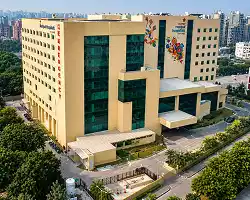
Dwarka - Delhi NCR
-

Gurugram - Delhi NCR
-
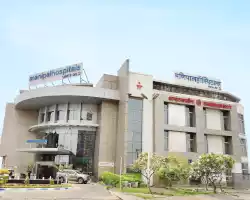
Ghaziabad - Delhi NCR
How It Works
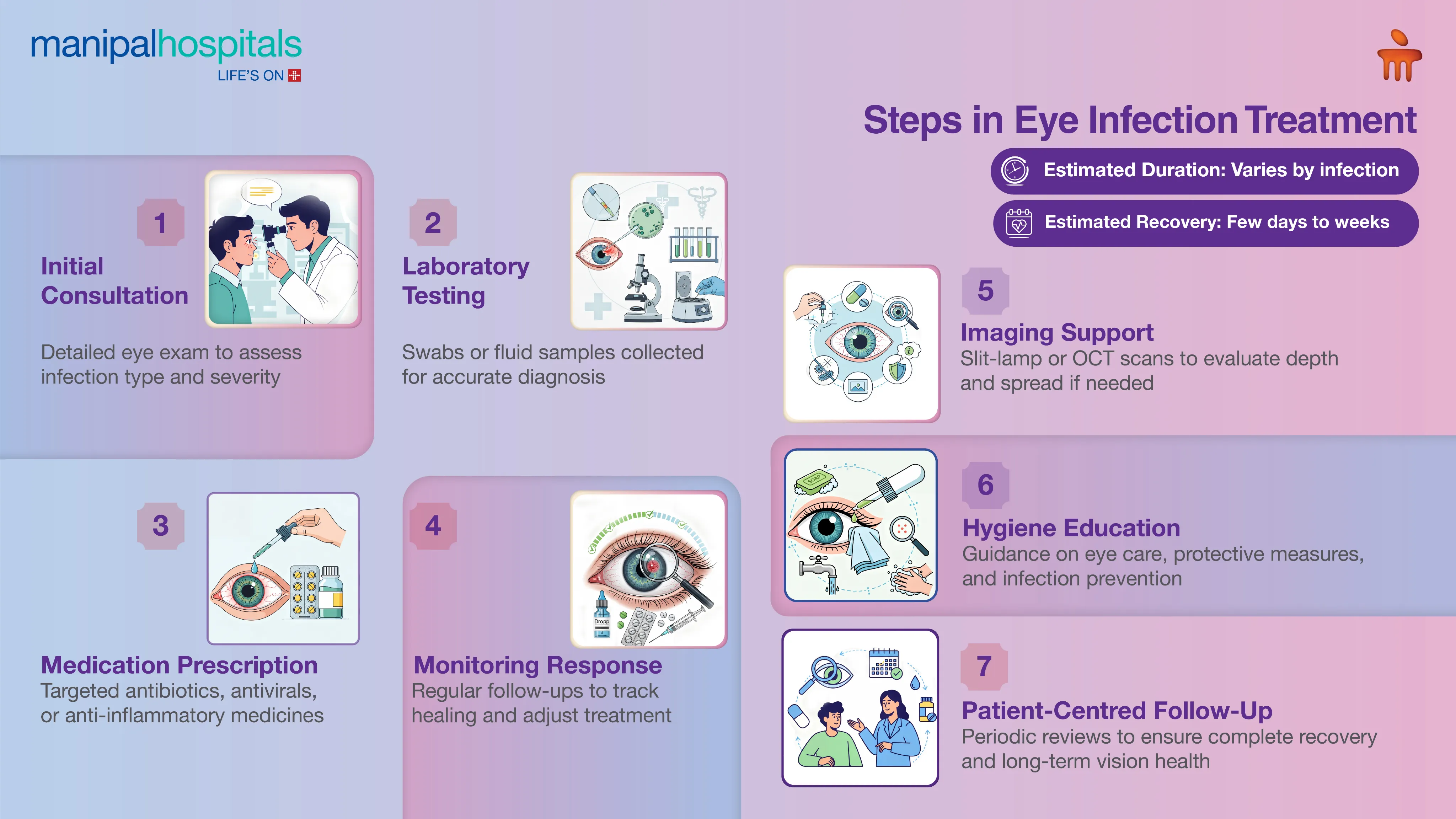
Eye infection care at Manipal Hospitals, Delhi, follows a clear, stepwise process to ensure accuracy and comfort:
-
Initial Consultation: Ophthalmologists perform a detailed eye examination to assess symptoms and infection severity.
-
Laboratory Testing: Swabs, cultures, or fluid samples are collected to confirm the exact infection type.
-
Medication Prescription: Doctors provide targeted antibiotics, antivirals, or anti-inflammatory medicines tailored to the patient’s condition.
-
Monitoring Response: Regular reviews track healing progress and adjust medication as needed.
-
Imaging Support: Slit-lamp and OCT scans help determine the depth and spread of the infection.
-
Hygiene Education: Specialists guide patients on proper eye care, hygiene, and medication use.
-
Systemic Coordination: Multidisciplinary support is available for patients with infections linked to systemic illness.
-
Prevention Focus: Early treatment prevents recurrence and long-term vision issues.
-
Patient-Centred Follow-Up: Feedback and periodic evaluations ensure sustained recovery and comfort.
This structured, step-by-step approach makes Manipal Hospitals, Delhi, a preferred destination for individuals seeking comprehensive, advanced, and compassionate eye care. It is focused on precision, safety, and long-term vision health.
Didn’t find what you were looking for?
Request a CallbackBenefits
Choosing Manipal Hospitals for eye infection treatment ensures:
-
Early diagnosis and prompt management prevent complications
-
Customised medication plans ensure safe, effective recovery
-
Experienced ophthalmologists provide expert, patient-focused care
-
Advanced diagnostic imaging enhances treatment precision
-
Integrated follow-up care supports complete healing
-
Patient education encourages hygiene and infection prevention
-
A supportive environment promotes comfort and confidence
-
A holistic approach helps preserve long-term vision health
What to Expect
Before Treatment
Detailed eye examination, including vision checks and slit-lamp evaluation to determine infection type and severity Laboratory testing of swabs or tear samples to identify bacterial, viral, or fungal causes Clear explanation of the diagnosis, treatment options, and recovery plan Advice on hygiene practices and ways to reduce the risk of spreading the infection
During Treatment
Use of prescribed antibiotic, antiviral, or anti-inflammatory eye drops, ointments, or oral medicines as required Ongoing assessment of pain, redness, or discharge to track improvement Advanced imaging, such as OCT or corneal scans, is used when deeper evaluation is needed Collaboration with other specialists if the condition is linked to systemic illness Guidance on correct medication use, eye care, and protective measures
After Treatment
Scheduled reviews to confirm healing and fine-tune therapy if necessary Counselling on long-term eye care and preventive hygiene Evaluation of underlying health issues that may predispose to reinfection Continued access to expert advice for maintaining vision health
Why Manipal Hospitals?
Manipal Hospitals, Delhi, provides comprehensive eye infection treatment with a focus on safety, precision, and patient comfort. With decades of experience and a legacy of innovation, the hospital’s Ophthalmology Department provides complete care for both routine and complex infections.
Equipped with modern imaging systems, digital record tracking, and sterile treatment suites, the hospital ensures accurate diagnosis and controlled therapy. A team of ophthalmologists, microbiologists, and pharmacists works collaboratively to personalise every treatment plan.
Continuous quality monitoring and medication management help achieve consistent recovery. Multidisciplinary coordination ensures holistic management for patients with diabetes, autoimmune disorders, or systemic infections.
Committed to excellence, ethical practice, and patient education, Manipal Hospitals continues to deliver trusted, high-quality eye infection treatment in Delhi. The hospital combines clinical expertise with compassionate care for lasting visual health.
Centre of Excellence
The Ophthalmology Department at Manipal Hospitals, Delhi, offers evaluation and treatment for eye infections, cataracts, glaucoma, and corneal conditions. Skilled ophthalmologists use modern equipment to ensure precise diagnosis and effective therapy. Regular follow-up and hygiene support lasting eye wellness. The department focuses on patient-centred care, clinical precision, and overall visual well-being.
Services Offered
-
Diagnosis and treatment of bacterial, viral, and fungal eye infections
-
Advanced ophthalmic imaging and laboratory diagnostics
-
Customised antibiotic and antiviral therapies
-
Management of chronic or recurrent ocular infections
-
Preventive education and hygiene counselling
-
Multidisciplinary collaboration for systemic infections
-
Medication monitoring during treatment for eye infection
-
Long-term follow-up care to preserve visual health
Facilities & Services
-
State-of-the-art diagnostic imaging and testing equipment
-
Dedicated infection control and sterilisation protocols
-
Comfortable outpatient and inpatient treatment areas
-
24/7 emergency ophthalmic care availability
-
Digital record systems ensure accurate documentation
-
Multidisciplinary care units for integrated management
-
Patient counselling rooms and hygiene education resources
-
Compassionate environment supporting safety, privacy, and well-being
Frequently Asked Questions
Manipal Hospitals offers advanced eye infection treatment in Delhi. Skilled specialists manage bacterial, viral, fungal, and parasitic eye infections with precise diagnostic tools and targeted therapies.
Diagnosis of eye infections involves a detailed eye examination, slit-lamp evaluation, and laboratory analysis to identify the cause accurately. Imaging may also be performed for complex cases.
Eye infection treatment depends on the infection type and severity. It may include medicated eye drops, ointments, oral medication, and supportive care to relieve inflammation.
The duration of the treatment depends on the severity of the eye infection. Most mild infections resolve within a few days, while severe cases may require longer treatment and close monitoring by the ophthalmology team.
Untreated eye infections can cause vision loss. Delayed or incomplete treatment can lead to corneal damage, scarring, or vision loss. Early intervention is essential for preserving eyesight.
Consult our Experts



You’re on Our Indian Website
Visit the Global site for International patient services
'Click' to chat with us
