
DTPA/EC Renogram in Delhi ncr
Manipal Hospitals provides a precise DTPA scan in Delhi within its Nuclear Medicine Department. The scan evaluates kidney filtration and urinary drainage using a small radiotracer. Experienced nuclear medicine specialists supervise preparation, sampling, dynamic imaging, and reporting. Care pathways emphasise privacy, safety, and clear instructions. Digital workflows support accurate image acquisition and timely interpretation. Patients receive counselling on hydration, medicines, and post-scan guidance. Coordinated input from Nephrology and Urology helps translate results into practical treatment plans.
Hospital Locations
-
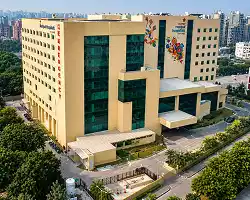
Dwarka - Delhi NCR
-
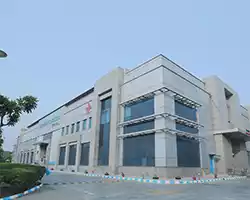
Gurugram - Delhi NCR
-
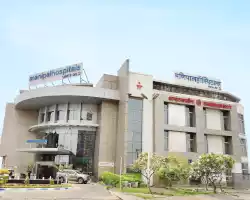
Ghaziabad - Delhi NCR
How It Works
-
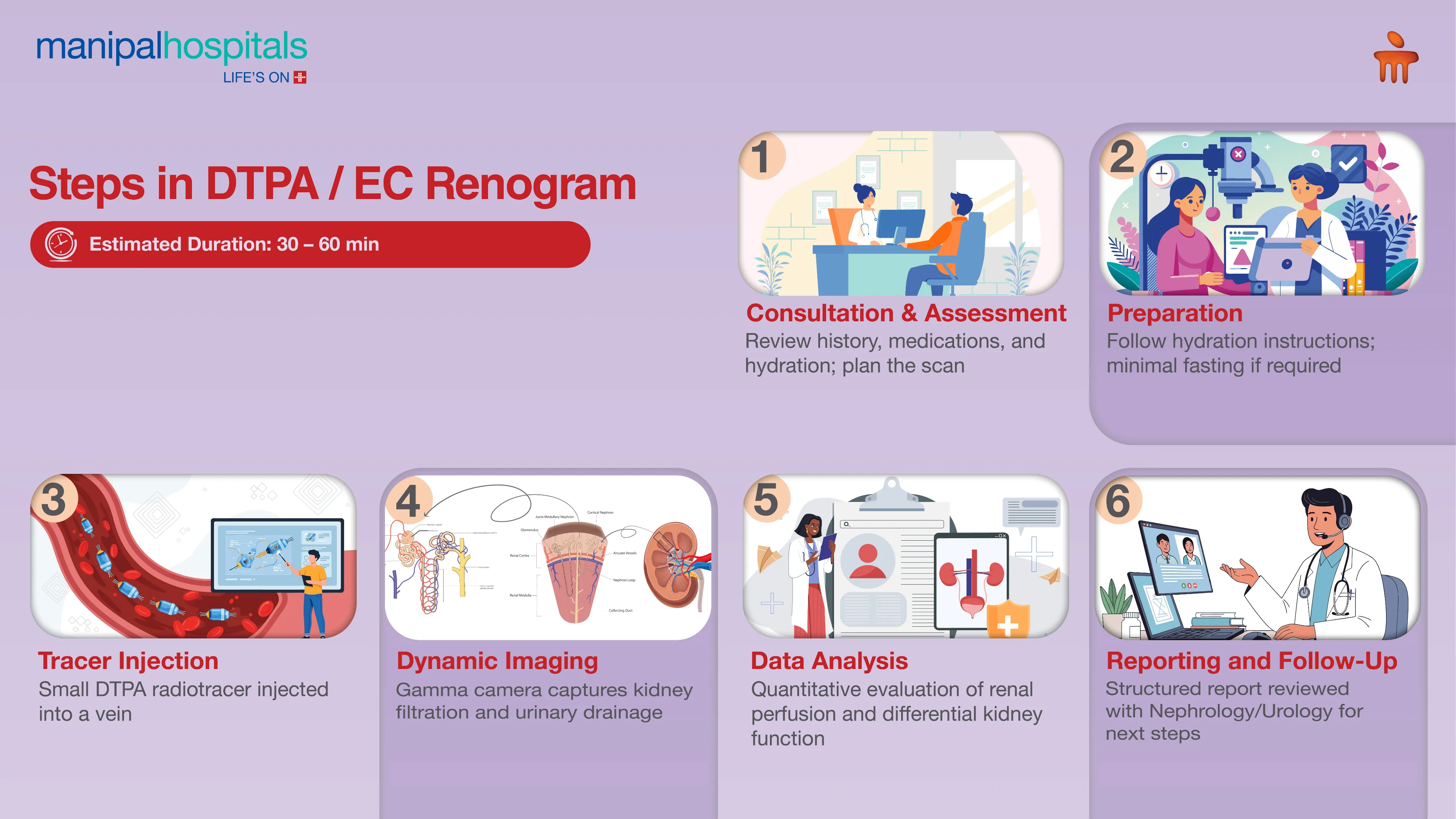
Preparation: Patients receive brief instructions on hydration and medicines. Minimal fasting may be advised for specific clinical reasons.
-
Tracer Injection: A small amount of DTPA is injected into a vein. The tracer helps visualise kidney filtration and drainage.
-
Dynamic Imaging: A gamma camera records images over time. This shows blood flow, filtration, and urinary outflow from each kidney.
-
Data Processing: Quantitative analysis estimates renal perfusion and function. Differential function helps compare the left and right kidneys.
-
Clinical Context: Imaging findings are reviewed alongside history, blood tests, and ultrasound results when available.
-
Safety Measures: The procedure is well tolerated. Radiation exposure is low, and monitoring is available throughout.
-
Result Communication: Specialists summarise key findings, including suspected obstruction or delayed drainage, in a structured report.
-
Next Steps: Results inform treatment, further testing, or surgical planning. Transplant assessments may include baseline and follow-up scans.
-
Multidisciplinary Input: Nephrology, Urology, and Transplant teams use the report to plan targeted management.
-
Patient Support: Staff offer reassurance, explain post-scan advice, and highlight symptoms that warrant clinical contact.
-
Continuity: Secure digital records maintain comparisons between serial studies to track progress over time.
Didn’t find what you were looking for?
Request a CallbackBenefits
Choosing Manipal Hospitals for DTPA/EC Renogram ensures:
-
Functional assessment of filtration and urinary drainage
-
Quantitative data to compare individual kidney function
-
Low-radiation procedure with good tolerability
-
Dynamic information is not available from static imaging
-
Useful in obstruction, kidney disease, and transplant evaluation
-
Structured reports supporting timely clinical decisions
-
Clear preparation and post-scan guidance
-
Coordination with Nephrology and Urology
-
Secure digital records enabling trend comparisons
What to Expect
Before the Scan
Brief review of your medicines, hydration needs, and recent tests. Discreet registration with privacy maintained during instructions.
During the Scan
Cannulation: A trained technician places a small intravenous line for tracer injection. Dynamic imaging while you lie still; staff monitor comfort throughout. Typical duration covers filtration and drainage phases; timing is explained on the day.
After the Scan
Basic advice on hydration and resuming normal activities. Specialists interpret images and send a structured report to your referring doctor. Follow-up discussion covers next steps, including treatment or additional tests if indicated. Easy-to-read education materials explain findings and common terms.
Why Manipal Hospitals?
Manipal Hospitals, Delhi, delivers nuclear medicine imaging through coordinated clinical and technical pathways. Teams standardise preparation, tracer administration, and dynamic acquisition to support reliable outputs. Reporting templates highlight filtration patterns, drainage curves, and differential renal function in clear terms for clinicians.
Close collaboration with nephrology, urology, and transplant services integrates imaging with treatment planning. Digital systems support secure image storage, rapid access, and serial study comparison. Patient information is presented clearly and respectfully, with an emphasis on comfort and straightforward post-scan advice.
Quality is reinforced through the use of checklists and clear escalation pathways. This ensures timely review whenever results appear atypical. Communication remains transparent, and clinicians are available to clarify implications for care. The service aims to convert functional data into practical next steps for the referring team.
Families arranging a DTPA scan lab in Delhi often value timely reporting and multidisciplinary input that guides decisions.
Centre of Excellence
The Department of Nuclear Medicine at Manipal Hospitals provides DTPA scan in Delhi, specialising in functional imaging that informs clinical decisions. Services include renal, hepatobiliary, thyroid, skeletal, and cardiac studies. DTPA imaging assesses perfusion, filtration, and urinary drainage with quantitative outputs. Specialists coordinate preparation, acquisition, and reporting to support accurate interpretation.
Services Offered
-
DTPA Renal Scans for filtration and drainage
-
MAG3 Renograms for urinary tract evaluation
-
Functional imaging to support transplant assessment
-
Integration with Diagnostic Radiology and Ultrasound
-
Quantitative reporting with differential function
-
Pre- and post-procedure counselling
-
Medication and safety monitoring during scans
-
Structured communication with referring clinicians
-
Follow-up imaging when clinically indicated
-
Guidance on hydration and post-scan care
Facilities & Services
-
Digital gamma cameras and hybrid imaging capability
-
Private scanning suites focused on comfort and dignity
-
Skilled nuclear medicine technologists and physicians
-
Secure digital reporting with rapid turnaround
-
Protocol-driven radiation safety and monitoring
-
Clear preparation leaflets and after-care advice
-
Coordination with nephrology, urology, and transplant teams
-
Discreet reception and waiting areas
Frequently Asked Questions
It shows blood flow into the kidneys, filtration, and the movement of urine into the bladder. The dynamic images help detect delayed drainage or reduced function in one kidney.
The DTPA scan itself is painless. You may feel a brief sting from the small intravenous injection. Staff aim to keep you comfortable and still during imaging.
The timing of the DTPA scan in Delhi varies with clinical indication and protocol. Imaging usually continues long enough to capture filtration and drainage phases. Staff will outline the expected duration at check-in.
Usually, medicines continue as normal. Some drugs may be discussed if they affect renal dynamics. Bring a current medication list and note any recent changes.
No. DTPA studies use low radiation doses. Your exposure is kept as low as reasonably achievable for diagnostic quality. Safety protocols include verification of identity, dose checks, and equipment quality control.
Consult our Experts

You’re on Our Indian Website
Visit the Global site for International patient services
'Click' to chat with us
