
Bone Marrow Transplant in Delhi ncr
Manipal Hospitals provides comprehensive care for patients undergoing bone marrow transplant in Delhi. The centre is equipped with specialised haematology and oncology teams, advanced stem-cell processing units and dedicated transplant suites. The facility supports both autologous and allogeneic procedures for blood disorders, immune deficiencies and selected cancers. Transparent planning, multidisciplinary collaboration and rigorous monitoring ensure that the hospital’s transplant programme maintains high standards of safety and patient care.
Hospital Locations
-
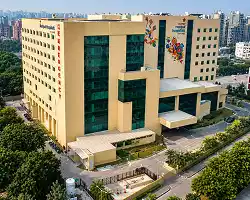
Dwarka - Delhi NCR
-

Gurugram - Delhi NCR
-
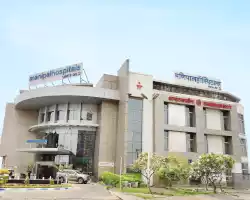
Ghaziabad - Delhi NCR
How It Works
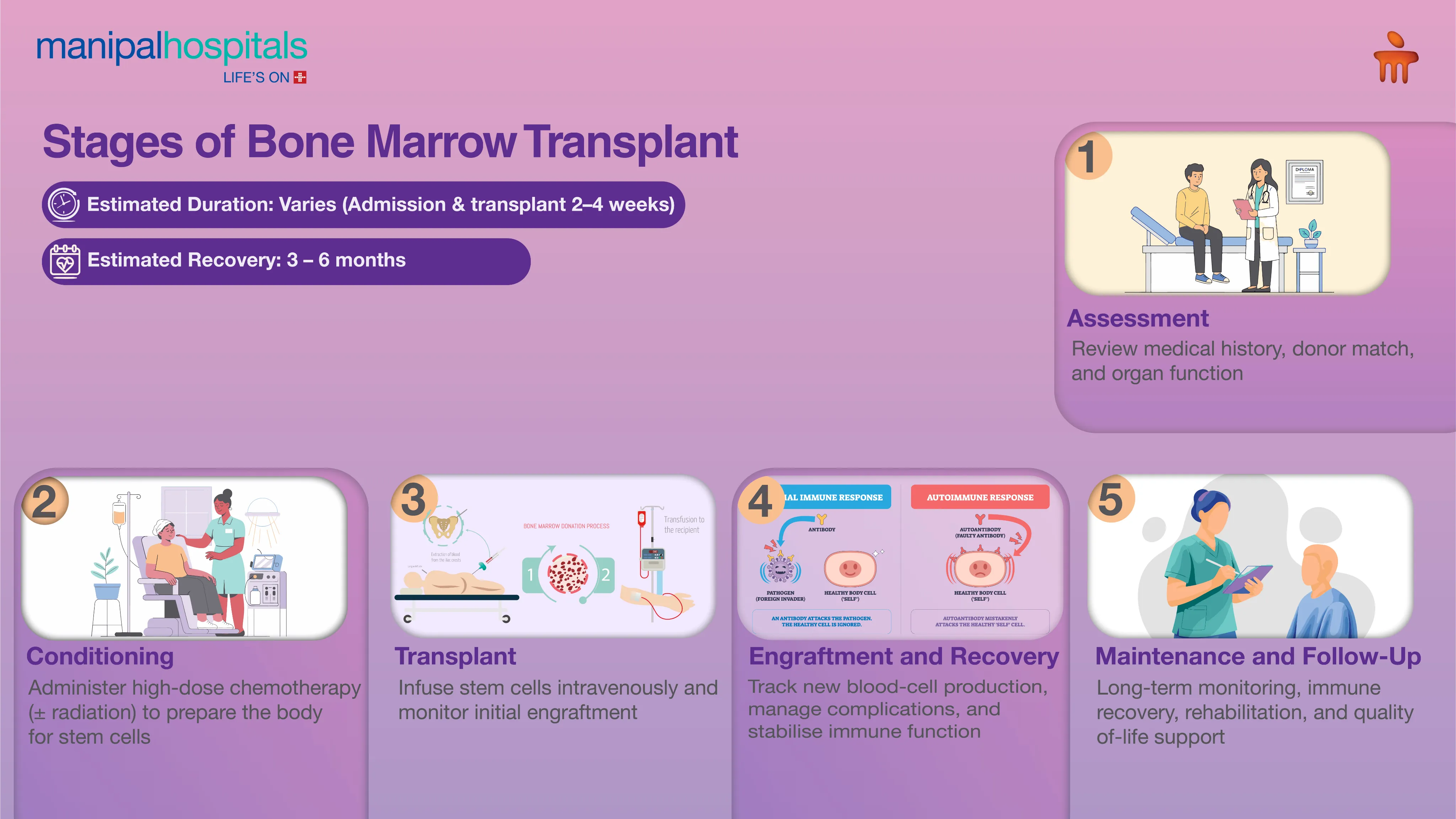
The transplant process at Manipal Hospitals follows a well-defined path to support patients receiving a bone marrow transplant.
-
Evaluation and Matching: Patients undergo detailed medical, organ-function and tissue-matching tests to determine transplant suitability and donor compatibility.
-
Conditioning Regimen: A preparatory phase uses high-dose chemotherapy (and sometimes radiation) to clear diseased marrow and suppress the immune system ahead of transplant.
-
Stem-Cell Infusion: Healthy blood-forming stem cells are infused intravenously; these settle in the bone marrow and begin producing new blood and immune cells.
-
Engraftment & Recovery: The post-transplant phase involves monitoring until the new marrow begins functioning. Supportive care for infections, graft-versus-host disease (in allogeneic transplants) and organ function is critical.
-
Long-Term Follow-Up: After discharge, patients may need months to years of follow-up for immune monitoring, late complications and reintegration into normal life.
In delivering a bone marrow transplant, Manipal Hospitals ensures each step is guided by specialist haematologists, transplant nurses and intensive-care support.
Didn’t find what you were looking for?
Request a CallbackBenefits
Choosing Manipal Hospitals for bone marrow transplant ensures:
-
Enables treatment of blood cancers, marrow failure syndromes and immune disorders.
-
Replacement of dysfunctional marrow allows restoration of healthy blood-cell production.
-
Access to advanced transplant care in Delhi avoids long-distance travel for patients.
-
Multidisciplinary team approach ensures comprehensive pre-, peri- and post-transplant support.
-
Structured follow-up contributes to improved outcomes and long-term well-being.
What to Expect
Initial Consultation and Work-up
The process begins with a detailed medical evaluation led by experienced haematologists. This includes a complete diagnostic review, donor search and HLA typing, organ function assessments, infection screening, and personalised treatment planning.
Hospital Admission and Conditioning Phase
Before transplant, patients are admitted to the specialised transplant unit and undergo conditioning therapy, involving high-dose chemotherapy and, in some cases, radiation. This phase prepares the body to receive new stem cells and is carried out under close supervision in a HEPA-filtered, infection-controlled environment.
Transplant Day
Healthy stem cells are infused intravenously, similar to a blood transfusion, through a central venous line. The procedure is painless and continuously monitored by transplant specialists and nurses.
Post-Transplant Recovery
Patients stay in the hospital until engraftment occurs, typically 2–4 weeks, during which immune function stabilises. Continuous monitoring addresses possible complications like infection or graft-versus-host disease (GVHD).
Discharge and Follow-Up
After discharge, regular follow-ups, immune function monitoring, and counselling sessions ensure steady recovery. Supportive services, including nutrition guidance, physiotherapy, and psychological care, promote long-term strength, well-being, and quality of life.
Why Manipal Hospitals?
Manipal Hospitals, Delhi, has built a trusted reputation as a leading centre for bone marrow transplant, offering advanced facilities and comprehensive patient care. The hospital’s dedicated transplant unit is supported by an accredited stem-cell laboratory, isolation rooms with HEPA filtration, and specialised nursing teams trained in transplant medicine. Its multidisciplinary approach integrates expertise from haematology, oncology, immunology, and intensive care, ensuring seamless coordination across all stages of the transplant process from donor matching and conditioning to post-transplant recovery. Patient safety remains central, with strict infection-control protocols, 24/7 monitoring, and personalised recovery plans. The hospital also provides psychosocial counselling and nutritional guidance to support holistic recovery. Through continuous innovation, skilled medical leadership, and adherence to international standards, Manipal Hospitals strives to deliver reliable outcomes and compassionate care, making it the best hospital for bone marrow transplant in Delhi.
Centre of Excellence
The Haematology and Bone Marrow Transplant Department at Manipal Hospitals, Delhi, provides comprehensive care for patients with haematological cancers, bone-marrow failure syndromes, and immune deficiencies. The department’s expertise spans pre-transplant evaluation, donor selection, stem-cell collection, transplant infusion, and post-transplant monitoring, ensuring safe, effective, and continuous care throughout the entire treatment journey.
Services Offered
The Haematology and Bone Marrow Transplant Department at Manipal Hospitals, Delhi, delivers specialised and comprehensive care for patients requiring advanced transplant procedures.
Autologous and allogeneic stem-cell transplants for blood and immune disorders.
Donor search and HLA typing for compatibility.
Conditioning with chemotherapy or radiation.
Continuous transplant monitoring and infection management.
Post-transplant rehabilitation and survivorship care.
Facilities & Services
Recognised as the best hospital for bone marrow transplant in Delhi, Manipal Hospitals features advanced facilities ensuring precision and safety at every stage of treatment.
-
Dedicated HEPA-filtered transplant suites and isolation units.
-
State-of-the-art stem-cell processing laboratories.
-
24/7 monitoring with multidisciplinary clinical teams.
-
Comprehensive rehabilitation and counselling services.
-
Seamless integration of haematology, oncology, and intensive care.
Frequently Asked Questions
A bone marrow transplant may be recommended for patients with leukaemia, lymphoma, aplastic anaemia, thalassemia, immune deficiency disorders, or certain inherited metabolic and bone marrow failure syndromes requiring healthy stem-cell replacement.
Donor matching is done through human leukocyte antigen (HLA) typing, a genetic test comparing immune markers between donor and recipient. A close HLA match significantly improves transplant success and minimises rejection risks.
Common risks of bone marrow transplant include infection, organ toxicity, graft rejection, graft-versus-host disease (GVHD) in allogeneic cases, and long-term immune suppression requiring continuous monitoring and preventive care strategies.
Recovery typically begins with 2–4 weeks of hospitalisation for engraftment, followed by 3–6 months of outpatient visits, blood tests, and immune monitoring to ensure successful adaptation of transplanted stem cells.
The hospital offers a well-structured transplant unit, specialist teams, stem-cell processing capability and long-term follow-up services, ensuring comprehensive care for a bone marrow transplant in Delhi.
Consult our Experts



You’re on Our Indian Website
Visit the Global site for International patient services
'Click' to chat with us
