
Vascular Diseases
Vascular Diseases
Expert varicose vein treatment in Delhi at Manipal Hospitals focuses on correcting vein valve dysfunction. In this condition, weakened valves cause blood to flow backwards and pool inside the veins. This leads to enlarged, twisted, and often purple-coloured veins, commonly known as varicose veins. Major risk factors include genetics, pregnancy, obesity, and occupations involving prolonged standing or sitting. Early intervention prevents complications such as pain, swelling, and skin changes.
Our Locations
-
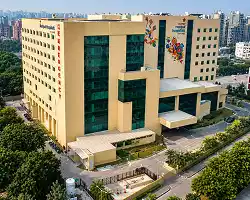
Dwarka - Delhi NCR
-
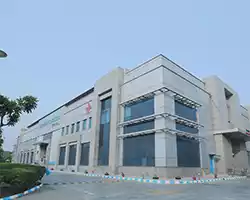
Gurugram - Delhi NCR
-
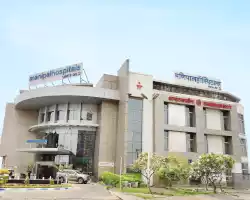
Ghaziabad - Delhi NCR
Didn’t find what you were looking for?
Get in touch with our representatives for help!
Request a CallbackSymptoms of Vascular Diseases
Common symptoms include visibly enlarged or bulging veins, skin discolouration, and persistent leg pain or heaviness. Some patients may experience swelling, burning, or stinging sensations, especially after standing for long periods. Seeking timely treatment helps relieve discomfort and restore healthy circulation.
How We Diagnose Vascular Diseases
Diagnosis begins with a thorough physical examination to assess visible veins, swelling, and skin texture. Specialists then perform a duplex ultrasound, a non-invasive imaging test that evaluates blood flow and valve function in the affected veins. This helps confirm the diagnosis and plan appropriate, targeted varicose vein laser treatment in Delhi or other suitable therapies based on each patient’s condition.
Treatment Options
Treatment options range from lifestyle changes, leg elevation, and compression stockings to advanced procedures. For persistent symptoms, sclerotherapy, endovenous laser treatment (EVLT), or radiofrequency ablation (RFA) is performed. These minimally invasive techniques close damaged veins, improving circulation, comfort, and leg appearance.
What to Expect
Patients undergoing varicose vein treatment in Delhi at Manipal Hospitals receive comprehensive care from diagnosis to recovery. The process begins with a detailed consultation and review of medical history. Diagnostic tests are conducted to identify the severity of vein damage and create a customised treatment plan. Depending on the condition, doctors may recommend lifestyle modifications, leg elevation, or compression therapy to improve blood circulation and relieve discomfort.
For patients requiring procedures, sclerotherapy is used to seal smaller veins by injecting a specialised medical solution. While endovenous laser treatment (EVLT) and radiofrequency ablation (RFA) are performed for larger or deeper veins. These advanced techniques use targeted heat energy to close affected veins, redirecting blood flow to healthier vessels and restoring normal circulation.
Most procedures are minimally invasive and performed on an outpatient basis, allowing patients to return home the same day. Post-procedure care includes wearing compression stockings, maintaining mobility, and following medical guidance to support healing and prevent recurrence. Renowned for excellence in laser treatment for varicose veins in Delhi, Manipal Hospitals offers safe, minimally invasive, and long-term results for improved leg health.
Consult our Experts
FAQs
-
What is the difference between varicose veins and spider veins?
-
Varicose veins are larger, raised, and often look like twisted cords or ropes under the skin. They can be painful or cause a heavy feeling.
-
Spider veins are smaller, flat, red or blue lines that look like a web or tree branches. They are generally a cosmetic concern and rarely cause physical discomfort.
-
-
Why are they more common in the legs than elsewhere?
The veins in your legs have the toughest job: they must pump blood upward against gravity to reach the heart. Walking and standing for long periods increase the pressure in these veins, making them more likely to stretch or bulge if the valves fail.
-
Are varicose veins just a cosmetic issue, or are they dangerous?
While many people only dislike how they look, it can lead to medical problems if left untreated. Chronic pooling of blood can cause skin ulcers, blood clots (thrombophlebitis), or spontaneous bleeding if the thin skin over the vein is bumped.
-
Who is most at risk for developing them?
Risk factors include age (veins lose elasticity over time), gender (hormonal changes during pregnancy or menopause), obesity, and genetics. People with jobs that require standing for 8+ hours a day are also at significantly higher risk.
-
Can exercise make varicose veins go away?
Exercise won't "cure" existing varicose veins, but it is the best way to prevent new ones. Activities like walking or swimming strengthen the calf muscles, which act as a pump to help push blood back up the legs.
-
Do compression stockings actually work?
Yes, they are often the first line of treatment. They apply steady pressure to the legs, helping the vein valves function better and reducing the "heavy" or aching sensation. However, they must be worn consistently throughout the day to be effective.
-
What are the modern "non-surgical" options for the treatment of varicose veins in Delhi?
Common modern treatments include the following:
-
Sclerotherapy: Injecting a solution that scars and closes the vein.
-
Endovenous Laser Treatment (EVLT): Using laser heat to seal the vein shut.
-
Radiofrequency Ablation: Using radio waves to collapse the vein wall.
-



You’re on Our Indian Website
Visit the Global site for International patient services
'Click' to chat with us
