

Uncontrolled Diabetes
Uncontrolled Diabetes
Manipal Hospitals offers comprehensive diabetes treatment in Delhi, focusing on blood sugar control through medication, lifestyle changes, and regular monitoring. Uncontrolled diabetes is defined as persistently high blood glucose levels, often above 180 mg/dL after meals. Diabetes may be uncontrolled due to delayed diagnosis, ineffective treatment, or poor adherence. People with uncontrolled diabetes have a greater risk of diabetic complications, such as damaged nerves, blood vessels, and vital organs.
Our Locations
-
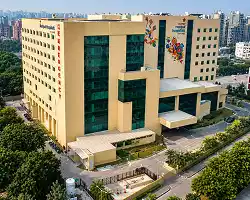
Dwarka - Delhi NCR
-

Gurugram - Delhi NCR
-
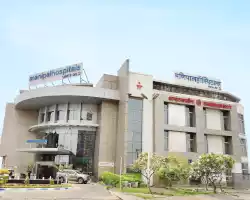
Ghaziabad - Delhi NCR
Didn’t find what you were looking for?
Get in touch with our representatives for help!
Request a CallbackSymptoms of Uncontrolled Diabetes
Uncontrolled diabetes may present with a range of symptoms, varying from mild to severe, based on blood sugar levels. Common symptoms include increased thirst, frequent urination, recurrent infections, weight changes, and, in severe cases, diabetic ketoacidosis.
How We Diagnose Uncontrolled Diabetes
Diagnosis begins with a detailed review of medical history and physical examination. Blood tests such as fasting glucose, HbA1c, and oral glucose tolerance tests help determine disease severity. Specialists may also assess kidney function, lipid profile, and eye health to identify potential complications. Advanced diagnostic tools enable precise monitoring and support treatment for type 2 diabetes in Delhi NCR.
Treatment Options
Management includes lifestyle modifications (diet & exercise), oral medications, insulin therapy, and continuous glucose monitoring. Individualised treatment plans aim to stabilise blood sugar, reduce complications, and improve overall health, offering comprehensive diabetes treatment.
What to Expect
Patients receiving diabetes treatment in Delhi can expect a personalised, structured care pathway designed around their needs. The journey begins with an assessment by endocrinologists, reviewing medical history, lifestyle, and health status to create a tailored plan.
An individualised treatment plan might involve lifestyle adjustments, like achieving a healthy weight and increasing physical activity. Treatment may include medication adjustments, insulin therapy, dietary counselling, and exercise guidance. A dedicated support team, including diabetes educators and nurses, helps patients monitor blood sugar levels, manage symptoms, and adopt sustainable lifestyle changes. Regular follow-ups ensure timely modifications to the plan, supporting long-term health outcomes.
The hospital environment is focused on patient comfort and reassurance, promoting confidence throughout the treatment journey. Continuous education empowers patients to understand their condition, recognise early warning signs, and actively participate in their care. Manipal Hospitals provides comprehensive diabetes treatment in Delhi NCR, aiming to stabilise blood sugar, prevent complications, and help patients maintain an active, healthy life.
Consult our Experts
FAQs
-
What are the early symptoms of diabetes?
Common signs include frequent urination (especially at night), excessive thirst, unexplained weight loss, fatigue, blurred vision, slow-healing wounds, and frequent infections (UTI/yeast). If 2 or more than 2 symptoms persist, consult a doctor immediately for timely diagnosis and treatment of diabetes in Delhi.
-
Is there a permanent diabetes treatment in Delhi?
For Type 1 diabetes, no. For Type 2 diabetes, there are certain ways which can make it reversible in early stages via weight loss, a low-carb diet, exercise (150 min/week), and medicines. A lot of people have benefited from these lifestyle changes.
-
What is the best diet for diabetes management in Delhi?
Focus on low-GI foods: millets/roti (whole grains), veggies (palak/bhindi), lean protein (dal/paneer/chicken), nuts. Limit rice/maida/sweets and control the portion. Avoid street fried foods; aim for 1,800-2,000 cal/day with glucometer tracking. You must consult with your doctor and a dietician to have an ideal diet if you are suffering from this medical condition.
-
How often should I check my blood sugar if I'm diabetic?
Blood sugar monitoring frequency depends on your diabetes type, treatment, stability, and doctor's advice—personalised to prevent highs/lows and optimise control (fasting: 80-130 mg/dL; post-meal: <180 mg/dL). Regular checks guide insulin/med adjustments and catch issues early.
Recommended Frequency by Type
-
Type 1 Diabetes: Test 4-10 times daily (before/after meals, at bedtime, after exercise, and at night if needed). Continuous Glucose Monitors (CGM) provide real-time data every 5 minutes for precise management.
-
Type 2 on Insulin/Multiple Meds: 2-4 times daily (fasting, pre-/post-meal, bedtime)—more if unstable or sick.
-
Type 2 on Oral Meds/Diet: 1-2 times daily or 2-3 times weekly if targets are met; increase during illness/stress.
-
All Types: HbA1c every 3-6 months; daily during pregnancy.
-
-
What causes diabetes in young adults in India?
Genetics (family history), obesity, sedentary lifestyle, and junk food/PCOS in women. Pollution is another factor that worsens insulin resistance; prediabetes (100-125 mg/dL fasting) is common in the 20s, and it can be prevented with yoga, 7-8 hours of sleep, and annual screening from age 25.



You’re on Our Indian Website
Visit the Global site for International patient services
'Click' to chat with us
