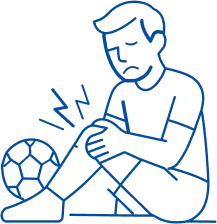

Sports Injury
Sports Injury
Manipal Hospitals provides specialised sports injury treatment in Delhi for injuries affecting muscles, bones, ligaments, and soft tissues. Common injuries such as sprains, strains, and fractures often result from overtraining, improper technique, or sudden impacts. While minor injuries can recover with rest and basic care. More severe cases generally require structured medical management and rehabilitation to restore full function and prevent long-term complications.
Our Locations
-
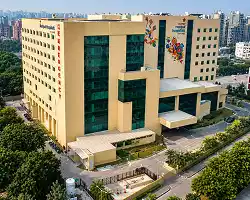
Dwarka - Delhi NCR
-

Gurugram - Delhi NCR
-
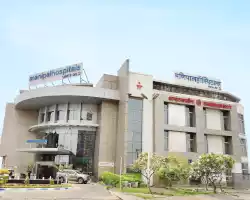
Ghaziabad - Delhi NCR
Didn’t find what you were looking for?
Get in touch with our representatives for help!
Request a CallbackSymptoms of Sports Injury
Sport injuries may cause persistent pain, visible swelling, bruising, or tenderness in the affected area. Patients may also experience restricted movement, instability, or joint deformity depending on the severity and type of injury.
How We Diagnose Sports Injury
At Manipal Hospitals, diagnosis begins with a detailed medical history and physical examination to assess the nature and extent of the injury. Specialists evaluate pain, swelling, and range of motion to identify underlying damage. As one of the leading sports injury hospitals in Delhi, doctors use advanced imaging techniques like MRI, X-ray, or ultrasound to confirm the diagnosis accurately.
Treatment Options
The initial treatment follows the RICE method—rest, ice, compression, and elevation—to reduce pain and swelling. Severe injuries may require medication, bracing, or minimally invasive surgery. Rehabilitation and physiotherapy help restore mobility, flexibility, and muscle strength for a complete recovery.
What to Expect
For patients seeking specialised sports injury treatment in Delhi, Manipal Hospitals offers comprehensive care from initial diagnosis through rehabilitation. Each treatment plan is customised based on the injury's type, severity, and patient goals. Minor injuries often heal with rest, medication, and physiotherapy, while serious injuries like ligament tears or fractures may need surgical correction.
As one of the most trusted sports injury hospitals in Delhi, Manipal Hospitals emphasises guided physiotherapy and progressive rehabilitation to ensure safe recovery. Post-treatment exercises help rebuild strength, improve balance, and restore a full range of motion. Specialists continuously monitor progress, adjust therapy intensity, and recommend the right time to resume sports or training.
The focus of care extends beyond healing, preventing recurrence and optimising long-term joint and muscle health. Manipal Hospitals combines modern diagnostic tools with the expertise of skilled orthopaedic surgeons to ensure effective recovery. With dedicated rehabilitation support, athletes and active individuals can safely return to peak performance with renewed confidence.
Consult our Experts
FAQs
-
What is the difference between an acute and a chronic injury?
Acute injuries happen suddenly, like a sprained ankle or a broken bone. Chronic (overuse) injuries develop over time from repetitive stress, such as tennis elbow or shin splints.
-
What does "RICE" stand for, and is it still recommended?
RICE stands for Rest, Ice, Compression, and Elevation. Still a standard first-aid go-to for the first 48 hours to reduce swelling to encourage gentle movement sooner for faster healing.
-
How do I know if I’ve "sprained" or "strained" something?
It’s a common mix-up! A sprain is an injury to a ligament (the tissue connecting bones), while a strain is an injury to a muscle or tendon (the tissue connecting muscle to bone). Both cause pain and swelling, but sprains often involve bruising and a "pop" sound.
-
When should I use heat versus ice?
Use ice for new (acute) injuries to dull pain and bring down swelling. Use heat for chronic muscle aches, stiffness, or after the initial swelling of a new injury has gone down (usually after 72 hours) to increase blood flow and relax tissues.
-
Can I "play through the pain"?
Generally, no. Sharp, stabbing, or localised pain is a signal to stop. Pushing through a minor injury can turn it into a major tear or stress fracture that requires surgery or months of physical therapy instead of just a few days of rest.



You’re on Our Indian Website
Visit the Global site for International patient services
'Click' to chat with us
