

Solid Tumours
Solid Tumours
Manipal Hospital offers advanced cancer treatment in Delhi, providing a comprehensive diagnosis and management of various solid tumours. These develop when abnormal cells grow uncontrollably due to genetic mutations, radiation exposure, infections, or unhealthy lifestyle habits. Early treatment is crucial, as it helps prevent cancer spread, improves recovery rates, and ensures better outcomes. Specialists provide personalised care focused on accurate diagnosis, effective therapy, and long-term wellness.
Our Locations
-
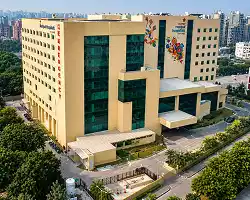
Dwarka - Delhi NCR
-

Gurugram - Delhi NCR
-
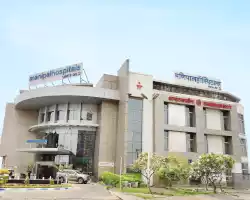
Ghaziabad - Delhi NCR
Didn’t find what you were looking for?
Get in touch with our representatives for help!
Request a CallbackSymptoms of Solid Tumours
Symptoms of solid tumours vary depending on their location, size, and nature. Common signs include the appearance of a new lump, prolonged fatigue, unexplained weight loss, fever, or night sweats. Persistent or unusual symptoms should prompt immediate medical evaluation.
How We Diagnose Solid Tumours
Doctors confirm the presence and type of tumour through multiple diagnostic tests. A biopsy is performed to examine tissue samples, while imaging techniques such as CT, MRI, or PET-CT scans determine the tumour’s size and location. Blood tests detect specific tumour markers, assisting in treatment planning and ensuring accurate diagnosis as part of the best cancer treatment in Delhi.
Treatment Options
Treatment is tailored to the tumour’s type, size, and location. For benign tumours, monitoring or minor surgery may be sufficient. Malignant tumours require a multidisciplinary approach that combines surgery, chemotherapy, radiation therapy, targeted therapy, and immunotherapy.
What to Expect
Patients receiving cancer treatment in Delhi for solid tumours at Manipal Hospitals can expect holistic care delivered through a structured, multidisciplinary approach. The treatment journey begins with accurate diagnosis and detailed staging, allowing specialists to design an individualised plan suited to each patient’s condition and overall health. Benign tumours are usually harmless and observed unless they press on nearby organs or produce excess hormones. Precancerous growths are closely monitored or removed to prevent further progression, while malignant tumours require prompt, specialised therapy.
Depending on the tumour’s type, size, and stage, doctors may recommend surgery, chemotherapy, radiation therapy, immunotherapy, or targeted therapy. The aim is to eliminate cancer cells, stop their spread, and reduce the chances of recurrence while maintaining the patient’s comfort and quality of life.
A team of expert oncologists, surgeons, and radiologists ensures continuous care using modern technology and the latest medical practices. Recognised as a leading cancer treatment hospital in Delhi, Manipal Hospitals provides integrated and supportive care. The team helps patients heal effectively, recover with confidence, and enjoy a better quality of life through dedicated supportive services.
Consult our Experts
FAQs
-
What exactly is a solid tumour?
A solid tumour is a clump of cells that grows into a firm mass. They are named after the type of cells they start in, such as sarcomas (cancers of the bone, fat, or muscle) or carcinomas (cancers of the epithelial cells that line organs).
-
Are all solid tumours cancerous?
No. Solid tumours can be benign (non-cancerous) or malignant (cancerous). Benign tumours usually grow slowly and do not spread to other parts of the body, though they can still cause health issues if they press on organs or nerves. Malignant tumours are invasive and can spread through the blood or lymphatic system. Consult a doctor for timely diagnosis and the best cancer treatment in Delhi.
-
How do solid tumours spread (metastasis)?
Solid tumours spread when cancer cells break away from the original (primary) mass and travel through the bloodstream or lymphatic system to form new tumours in other organs. Common sites for metastasis include the lungs, liver, bones, and brain.
-
What are the main treatment methods for solid tumours?
Unlike blood cancers, solid tumours are often treated with surgery first to physically remove the mass. This is frequently followed by radiation therapy to kill any remaining local cells and systemic therapies like chemotherapy, immunotherapy, or targeted therapy to treat any cells that may have travelled elsewhere.
-
Can a biopsy "disturb" a solid tumour and make it spread?
This is a common myth. Doctors use specific techniques during a biopsy (taking a small tissue sample) to ensure the procedure is safe. The risk of "seeding" or spreading cancer through a biopsy is extremely low and is far outweighed by the benefit of getting an accurate diagnosis.



You’re on Our Indian Website
Visit the Global site for International patient services
'Click' to chat with us