

Severe Coronary Artery Disease
Severe Coronary Artery Disease
Manipal Hospitals offers specialised heart blockage treatment without surgery in Delhi for patients with coronary artery disease (CAD). This condition occurs when plaque builds up inside the coronary arteries, narrowing them and reducing blood flow to the heart. Over time, this process, known as atherosclerosis, restricts oxygen supply to the heart muscle and may lead to chest pain, heart failure, or a heart attack if untreated.
Our Locations
-
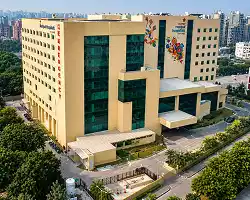
Dwarka - Delhi NCR
-

Gurugram - Delhi NCR
-
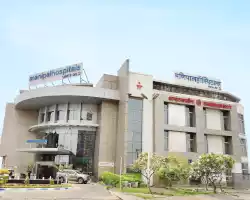
Ghaziabad - Delhi NCR
Didn’t find what you were looking for?
Get in touch with our representatives for help!
Request a CallbackSymptoms of Severe Coronary Artery Disease
The main symptom of coronary artery disease is angina, causing chest pain, tightness, or discomfort. Other symptoms include shortness of breath, fatigue, or pain in the neck, arm, or jaw. Some patients may also experience nausea, sweating, or light-headedness.
How We Diagnose Severe Coronary Artery Disease
Diagnosis begins with a detailed review of medical history, lifestyle, and risk factors such as high cholesterol, hypertension, and diabetes. A physical exam is followed by tests like an ECG to assess heart rhythm. Being one of the best hospitals for angina pain in New Delhi, doctors may also recommend advanced tests to detect and evaluate blockages.
Treatment Options
Treatment for coronary artery disease focuses on improving blood flow and preventing complications through lifestyle changes like healthy eating, exercise, and quitting smoking. Doctors may prescribe statins, antiplatelets, beta-blockers, or ACE inhibitors to manage cholesterol, prevent clots, and reduce heart strain.
What to Expect
The patient journey for heart blockage treatment without surgery in Delhi at Manipal Hospitals focuses on effective medical management and preventive care. Specialists conduct detailed assessments, educate patients on diet and exercise, and prescribe medicines to control underlying risk factors like high blood pressure and cholesterol. These treatments help relieve chest pain, improve blood flow, and slow disease progression.
Regular follow-ups allow doctors to monitor progress and adjust treatment as needed. If significant artery narrowing is detected but bypass surgery is not required, doctors may recommend angioplasty. It is a minimally invasive procedure where a thin catheter and balloon are used to open the artery. A stent may then be placed to keep the artery open, restoring normal blood circulation.
Recognised as one of the best hospitals for angina pain in New Delhi, Manipal Hospitals provides a comprehensive approach to restoring heart health. This multidisciplinary care helps patients reduce angina symptoms, regain strength, and lower the risk of future cardiac events.
Consult our Experts
FAQs
-
What makes coronary artery disease "severe"?
The severity of CAD is generally determined by the degree of narrowing in the arteries and which specific arteries are affected. According to medical standards, CAD is considered severe when there is a 70% or greater blockage in a major coronary artery, or a 50% or greater blockage in the "left main" artery, which supplies a large portion of the heart's blood.
-
What are the hallmark symptoms of severe CAD?
Unlike mild CAD, which may be asymptomatic, severe CAD often causes noticeable issues due to significantly reduced blood flow, including:
-
Chronic Angina: Frequent, predictable chest pain or pressure, especially during physical exertion or stress.
-
Worsening Shortness of Breath: Difficulty breathing even during light activities or while lying flat.
-
Extreme Fatigue: Feeling unusually tired with minimal effort, as the heart struggles to pump efficiently.
-
Ischemia: Evidence that the heart muscle is not receiving enough oxygen, often seen on a stress test or ECG.
-
-
Can severe coronary artery disease be reversed?
Generally, no, the physical plaque buildup cannot be fully reversed or "dissolved" away. However, aggressive treatment with medications (like high-dose statins) and lifestyle changes can stabilise plaque, making it less likely to rupture and cause a heart attack. In some cases, these interventions can slightly shrink the plaque volume, but they will not make it disappear entirely.
-
What are the common treatment options for severe blockages?
When blockages are severe or symptoms cannot be managed with medication alone, more invasive procedures are often required:
-
Angioplasty and Stenting (PCI): A minimally invasive procedure where a balloon is used to open the artery and a mesh tube (stent) is placed to keep it open.
-
Coronary Artery Bypass Grafting (CABG): A major surgery where a healthy blood vessel from another part of the body is used to create a "detour" around the blocked artery.
-
-
What are the risks of leaving severe CAD untreated?
Leaving severe blockages untreated significantly increases the risk of life-threatening complications:
-
Heart Attack: A sudden, complete blockage that can permanently damage the heart muscle.
-
Heart Failure: The heart becomes too weak or stiff to pump blood effectively, leading to fluid buildup in the lungs and legs.
-
Arrhythmias: Irregular heartbeats caused by damage to the heart's electrical signalling.
-
Sudden Cardiac Arrest: A sudden loss of heart function that can be fatal if not treated immediately.
-



You’re on Our Indian Website
Visit the Global site for International patient services
'Click' to chat with us
