

Severe Burns
Severe Burns
Manipal Hospitals offers specialised burn treatment in Delhi, focusing on emergency care, wound healing, and rehabilitation. Severe burns are critical injuries that can damage multiple layers of the skin and sometimes the underlying tissues. They may be caused by fire, hot liquids, chemicals, or electricity. Such burns can lead to fluid loss, infection, and shock, making timely treatment essential to restore health and prevent long-term complications.
Our Locations
-
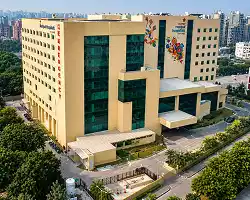
Dwarka - Delhi NCR
-

Gurugram - Delhi NCR
-
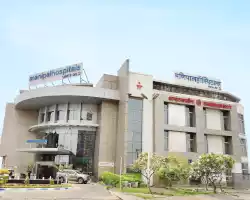
Ghaziabad - Delhi NCR
Didn’t find what you were looking for?
Get in touch with our representatives for help!
Request a CallbackSymptoms of Severe Burns
Severe burns cause:
-
Deep tissue damage
-
Charring
-
Blisters
-
Swelling
-
Severe pain or numbness
Patients may also experience dehydration, difficulty breathing, or shock. Immediate medical attention is crucial to prevent infection and further tissue loss.
How We Diagnose Severe Burns
At Manipal Hospitals, the best burn hospital in Delhi, the diagnosis includes evaluating burn depth, size, and cause. Doctors perform a thorough physical examination and assess the percentage of total body surface area affected. They may also use imaging or lab tests to check for infection or internal injury. These findings help plan the most effective and customised treatment.
Treatment Options
Treatment involves wound cleaning, infection control, intravenous fluids, skin grafting, reconstructive surgery, and pain management. Physical therapy, nutritional support, and psychological counselling are provided to promote full recovery and restore skin function and mobility.
What to Expect
Patients receiving burn treatment in Delhi at Manipal Hospitals can expect specialised care from a multidisciplinary team experienced in managing complex burn injuries. The initial phase focuses on stabilising the patient, preventing infections, and maintaining hydration and vital functions. Wound cleaning, debridement, and advanced dressings help support healing and reduce scarring.
During recovery, reconstructive or plastic surgery may be recommended to restore appearance and mobility. Rehabilitation includes physiotherapy, scar management, and nutrition planning for optimal healing. Patients also receive emotional and psychological support to cope with trauma and build confidence.
At the best burn hospital in Delhi, care continues beyond physical recovery. Specialists ensure long-term monitoring, education on skincare, and prevention of complications such as contractures or infections. The hospital’s patient-centric care ensures ongoing follow-up and encourages family involvement to support sustained recovery. Equipped with modern burn care units and surgical expertise, Manipal Hospitals, Delhi, provides compassionate, comprehensive, and life-restoring treatment. This approach helps patients regain comfort, function, and a better quality of life.
Consult our Experts
FAQs
-
How are burn severities classified?
Burns are categorised by "degrees" based on how deep the damage goes:
-
First-degree: Red, painful skin (like a mild sunburn).
-
Second-degree: Blisters, thickening of the skin, and intense pain.
-
Third-degree: Damage reaching the fat layer; skin looks white, black, or leathery.
-
Fourth-degree: Deepest damage affecting muscles, tendons, or bones.
-
-
Why does a third-degree burn sometimes not hurt?
Counterintuitively, the most severe burns can be painless. This is because the burn has destroyed the nerve endings in the skin. While the area surrounding the burn may be excruciating, the centre of a deep burn often loses all sensation.
-
Should I put ice or butter on a severe burn?
No. Never use ice, butter, or ointments on a severe burn. Ice can further damage the tissue by causing "frostbite" on top of the burn, and grease/butter traps heat and increases the risk of infection. Stick to cool (not cold) running water for minor burns, but seek professional help immediately for severe ones.
-
What are the biggest risks of a severe burn?
Beyond the visible injury, the primary dangers are infection (sepsis) and dehydration. Skin acts as a protective barrier; when it is destroyed, the body loses fluids rapidly and becomes highly vulnerable to bacteria. Inhalation injury (damage to lungs from smoke) is also a major risk.
-
What is a "Skin Graft"?
For deep burns that cannot heal on their own, surgeons perform a skin graft. This involves taking healthy skin from an uninjured part of the patient's body (the donor site) and transplanting it to the burned area to promote healing and reduce scarring.
-
When is a burn considered an emergency?
A burn requires ER treatment if it:
-
Is larger than the palm of your hand.
-
Involves the face, hands, feet, genitals, or joints.
-
Looks charred, white, or leathery.
-
Is caused by chemicals or electricity.
-
-
How long does the recovery process take?
Recovery depends on the severity but can range from weeks to years. Severe burns often require rehabilitative therapy to regain movement in affected joints, as scar tissue (contractures) can tighten the skin and limit flexibility.



You’re on Our Indian Website
Visit the Global site for International patient services
'Click' to chat with us
