

Sepsis
Sepsis
Manipal Hospitals offers advanced septicemia treatment in Delhi for life-threatening emergencies commonly caused by bacterial infections. Sepsis is a severe reaction of the body in response to an infection, triggering widespread inflammation. The reaction can rapidly lead to extensive tissue damage, multi-organ failure, and in some cases even death. Prompt, intensive medical management is crucial to prevent disease progression and reduce complications.
Our Locations
-
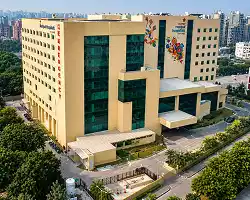
Dwarka - Delhi NCR
-

Gurugram - Delhi NCR
-
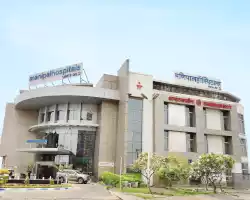
Ghaziabad - Delhi NCR
Didn’t find what you were looking for?
Get in touch with our representatives for help!
Request a CallbackSymptoms of Sepsis
Emergency symptoms include high fever, chills, and rapid breathing, which require immediate medical attention. Patients may also experience confusion, rapid heart rate, and low blood pressure, signs of severe sepsis requiring urgent care.
How We Diagnose Sepsis
Diagnosis begins with a physical examination and blood tests to assess infection, organ function, and clotting abnormalities. Blood cultures help identify the bacteria responsible and guide targeted antibiotic therapy. Imaging tests, such as chest X-ray, CT scan, or ultrasound, help locate the infection source and determine the appropriate treatment approach.
Treatment Options
Manipal Hospitals provides the best blood infection treatment in Delhi. Doctors begin treatment immediately with broad-spectrum antibiotics and intravenous (IV) fluids. Supportive care is given to stabilise blood pressure. Continuous monitoring ensures proper organ function, supports recovery, and prevents deterioration.
What to Expect
Patients receiving septicemia treatment in Delhi are admitted for intensive monitoring with immediate treatment beginning upon arrival. Patients are administered intravenous fluids and antibiotics to fight infection. Intravenous (IV) fluids help maintain blood pressure, and vasopressor medications are used if necessary. Supportive care is critical, involving mechanical ventilation or dialysis for organ support. Specialists manage the condition based on the underlying cause and tissue damage involved.
Recovery from sepsis is a gradual process that often requires rehabilitation after a hospital stay. Rehabilitation helps patients regain physical strength and independence after discharge. A team of specialists work closely with patients to help them regain the ability to perform daily tasks. They also address mental and emotional health to manage long-term effects such as fatigue and anxiety.
At Manipal Hospitals, treatment depends on the specific bacteria identified during diagnosis. Patients receive the best blood infection treatment in Delhi, supported by experienced specialists, advanced technology, and comprehensive medical care. The specialists focus on providing compassionate care to help patients recover and return to their normal lives as safely as possible.
Consult our Experts
FAQs
-
What is the difference between an infection and sepsis?
An infection is the invasion of your body by germs (like bacteria or viruses). Sepsis is your body’s toxic overreaction to that infection. Instead of just fighting the germs, your immune system starts attacking your own organs and tissues.
-
What are the "red flag" symptoms to watch for?
Doctors often use the acronym TIME to help people remember the signs:
-
T: Temperature - Higher or lower than normal (shivering or feeling very cold).
-
I: Infection - You may have signs of an infection or have recently undergone a medical procedure.
-
M: Mental Decline - Confusion, sleepiness, or difficulty waking up.
-
E: Extremely Ill - Patients often describe a "feeling of impending doom" or say, "I feel like I might die."
-
-
Can any infection lead to sepsis?
Yes. While most cases start from infections in the lungs (pneumonia), urinary tract (UTI), gut, or skin (wounds), any infection—even a small cut or a common flu—can trigger sepsis if the body's response goes out of control.
-
Who is at the highest risk?
According to the CDC, anyone can get sepsis, but those at higher risk include:
-
Adults aged 65 or older.
-
Children younger than 1 year.
-
People with weakened immune systems (e.g., cancer, HIV, or transplant recipients).
-
People with chronic medical conditions like diabetes, lung disease, or kidney disease.
-
-
Is sepsis contagious?
No, sepsis itself is not contagious. You cannot "catch" sepsis from someone else. However, the underlying infection that triggered the sepsis (like COVID-19, the flu, or strep throat) can be contagious.
-
How is sepsis treated in the hospital?
Treatment must begin immediately, often within the "golden hour" of arrival. It typically involves:
-
Intravenous (IV) antibiotics to kill the infection.
-
Large amounts of IV fluids to keep blood pressure up and protect organs.
-
Oxygen or a ventilator if the lungs are struggling.
-
Vasopressors (medication to tighten blood vessels) if blood pressure remains dangerously low.
-
-
What is "Post-Sepsis Syndrome"?
Many survivors face long-term physical and psychological challenges after leaving the hospital. This can include extreme fatigue, muscle weakness, "brain fog" (difficulty concentrating), anxiety, or Post-Traumatic Stress Disorder (PTSD).



You’re on Our Indian Website
Visit the Global site for International patient services
'Click' to chat with us
