_(1)21.webp "Prostate Laser Treatment in Delhi | Manipal Hospitals")

Prostate
Prostate
Manipal Hospitals provides advanced prostate treatment by laser in Delhi, offering minimally invasive care for benign prostatic hyperplasia (BPH) and other prostate conditions. Prostate disease refers to various conditions affecting the prostate gland. This small organ plays a vital role in male reproductive health. The most prevalent prostate conditions include BPH, prostate cancer, and prostatitis. Certain factors, such as age, race, and lifestyle, increase the risk of these conditions.
Our Locations
-
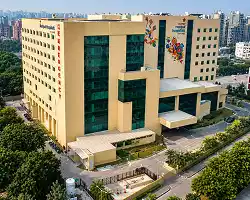
Dwarka - Delhi NCR
-

Gurugram - Delhi NCR
-
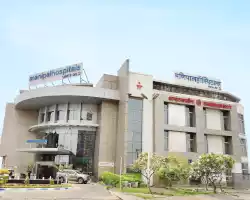
Ghaziabad - Delhi NCR
Didn’t find what you were looking for?
Get in touch with our representatives for help!
Request a CallbackSymptoms of Prostate
Prostate disease symptoms vary based on the individual's issue. Common symptoms include difficulty urinating and weak urine flow. Patients may experience frequent or urgent urination, especially at night. Prompt evaluation helps prevent complications.
How We Diagnose Prostate
Diagnosis begins with a detailed medical history and physical examination, including a digital rectal exam (DRE). Tests include urine analysis and PSA measurement. Ultrasound assesses prostate size and urinary function. A biopsy is often performed if other tests suggest the presence of cancer. These evaluations guide precise and personalised prostate treatment in Delhi, NCR.
Treatment Options
Treatment for prostate disease varies based on the specific problem, its severity, and the patient’s overall health. Treatment options include medication and surgical procedures. Effective management of prostate disease involves a multifaceted approach, incorporating lifestyle changes and ongoing care.
What to Expect
Patients undergoing prostate treatment by laser in Delhi can expect structured, patient-focused care. The process begins with a comprehensive evaluation and imaging to determine prostate size and condition. Based on findings, specialists may recommend procedures such as Holmium Laser Enucleation of the Prostate (HoLEP) or Photoselective Vaporisation of the Prostate (PVP). These procedures offer effective removal of enlarged tissue with minimal bleeding and faster recovery.
Laser procedures are performed under expert supervision using advanced technology to ensure safety and precision. Most patients experience significantly improved urine flow and relief from symptoms soon after surgery. Post-procedure, the care team monitors bladder function and manages temporary urinary changes such as mild burning or frequency.
Dedicated urologists and nurses provide detailed guidance on fluid intake, medication adherence, pelvic floor exercises, and activity resumption. Patients also receive counselling to support long-term prostate health, including dietary modifications and lifestyle adjustments. Regular follow-ups and screening tests are scheduled to monitor healing, assess urinary function, and detect any early recurrence.
With advanced infrastructure, skilled surgeons, and holistic care, Manipal Hospitals is recognised for delivering safe, effective, and patient-centric prostate treatment in Delhi, NCR. It helps men regain comfort, confidence, and quality of life.
Consult our Experts
FAQs
-
What exactly does the prostate do?
The prostate is a small, walnut-shaped gland found only in men. It sits just below the bladder, and its main job is to produce the fluid that nourishes and transports sperm (semen).
-
What are the three most common prostate problems?
-
BPH (Benign Prostatic Hyperplasia): A non-cancerous enlargement of the prostate, very common as men age.
-
Prostatitis: Inflammation or infection of the gland, which can affect men of all ages.
-
Prostate Cancer: The growth of malignant cells within the gland.
-
-
Does an enlarged prostate (BPH) lead to prostate cancer?
No. Having BPH does not increase your risk of developing prostate cancer. However, the two conditions can exist at the same time and often share similar symptoms, so it is important to get a professional diagnosis.
-
What are the "red flag" symptoms I should watch for?
Most symptoms are related to urination because the prostate surrounds the urethra:
-
Frequent urge to urinate, especially at night (nocturia).
-
A weak or interrupted urine stream.
-
Difficulty starting or "dribbling" at the end.
-
A feeling that the bladder isn't completely empty.
-
Painful urination or blood in the urine.
-
-
What is a PSA test?
A Prostate-Specific Antigen (PSA) test is a simple blood test that measures a protein produced by the prostate. High levels can indicate a problem, but they don't always mean cancer—BPH, infections, or even recent exercise can raise PSA levels.
-
At what age should I start getting checked?
General guidelines suggest men at average risk should start discussing screening with their doctor at age 50. However, if you have a family history, you may need to start as early as age 40 or 45.
-
Can diet affect prostate health?
Yes. A heart-healthy diet is generally a prostate-healthy diet. Reducing red meat and high-fat dairy while increasing intake of lycopene (found in cooked tomatoes), soy, and cruciferous vegetables (like broccoli) may help lower the risk of prostate issues.



You’re on Our Indian Website
Visit the Global site for International patient services
'Click' to chat with us
