

Post-Operative Recovery
Post-Operative Recovery
Post-operative recovery is a crucial time after surgery that aims to restore physical function, strength, and overall well-being. It helps patients heal from surgical trauma and helps prevent complications such as infections, stiffness, or muscle weakness. Recovery needs vary depending on the type of surgery and individual health. Manipal Hospitals offers specialised physiotherapy treatment in Delhi to ensure smooth rehabilitation, pain relief, and early return to normal activities.
Our Locations
-
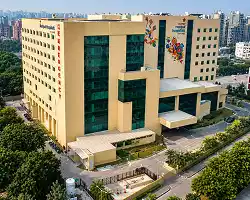
Dwarka - Delhi NCR
-

Gurugram - Delhi NCR
-
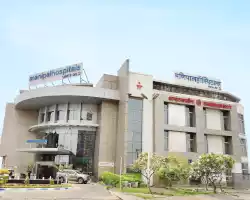
Ghaziabad - Delhi NCR
Didn’t find what you were looking for?
Get in touch with our representatives for help!
Request a CallbackSymptoms of Post-Operative Recovery
After surgery, patients may experience:
-
Pain
-
Swelling
-
Stiffness
-
Weakness
-
Restricted mobility
Fatigue, difficulty performing daily tasks, or discomfort at the surgical site are common, making timely rehabilitation essential for complete recovery and functional independence.
How We Diagnose Post-Operative Recovery
At Manipal Hospitals, specialists providing physiotherapy treatment in Delhi evaluate patients’ pain, mobility, and muscle strength as part of post-operative diagnosis. They assess the surgical area, review healing progress, and perform functional movement tests. These evaluations help identify limitations and guide the creation of a tailored recovery plan suited to each patient’s surgical procedure and health goals.
Treatment Options
Treatment includes personalised physiotherapy sessions, mobility training, muscle strengthening, and pain management techniques. Manual therapy, balance exercises, and electrotherapy may also be used to enhance healing, reduce swelling, and improve flexibility and endurance.
What to Expect
Patients undergoing physiotherapy treatment in Delhi at Manipal Hospitals can expect structured, expert-guided rehabilitation designed for complete post-operative recovery. The process starts with gentle exercises to improve circulation and prevent joint stiffness, followed by progressive muscle strengthening and endurance training. Physiotherapists focus on improving mobility, balance, and coordination while monitoring healing and comfort.
Patients receive guidance on correct posture, safe movement techniques, and breathing exercises to support lung function and recovery. Regular assessments help track progress and adjust treatment intensity. Nutritional counselling and home exercise plans further accelerate healing and reduce post-surgical fatigue.
At Manipal Hospitals, known for advanced physiotherapy treatment in Delhi, recovery extends beyond discharge. The multidisciplinary team, including surgeons, physiotherapists, and nurses, works together to ensure holistic rehabilitation. Each recovery plan is tailored to the patient’s specific surgical needs, ensuring gradual improvement and long-term results. With high-tech equipment, compassionate care, and continuous support, Manipal Hospitals empowers patients to regain independence and restore mobility. They help individuals return to daily life with improved strength, confidence, and overall health.
Consult our Experts
FAQs
-
How much pain is "normal" after surgery?
Some discomfort is expected, but it should gradually decrease each day. You should feel "managed" by your prescribed medications. If pain suddenly spikes, becomes throbbing, or is not relieved by your meds, it could be a sign of a complication like a blood clot or infection.
-
When can I take a shower?
This depends on your surgeon’s specific orders and the type of closure used (staples, stitches, or glue). Generally, most patients can shower 24 to 48 hours after surgery, but you must avoid soaking the incision in a bath, pool, or hot tub until it is completely closed.
-
What are the warning signs of an infection?
Keep a close eye on the incision site. Seek medical help if you notice increasing redness, warmth, foul-smelling drainage (pus), or if the edges of the wound begin to pull apart. A fever over 101°F (38.3°C) is also a major red flag.
-
Why am I so constipated after surgery?
Post-op constipation is very common due to the combination of anaesthesia, a lack of movement, and opioid pain medications. Walking as soon as permitted and increasing your fluid and fibre intake (or using a stool softener) can help get things moving again.
-
What is a "DVT" and how do I prevent it?
A Deep Vein Thrombosis (DVT) is a blood clot, usually in the leg, that can be life-threatening if it travels to the lungs. The best prevention is early movement—even just flexing your ankles in bed—and wearing compression stockings if they were provided.



You’re on Our Indian Website
Visit the Global site for International patient services
'Click' to chat with us
