

Pigmentation
Pigmentation
Manipal Hospitals offers advanced pigmentation treatment in Delhi to help patients achieve clearer and more even-toned skin. Pigmentation develops when melanin production becomes uneven due to sun exposure, hormonal changes, inflammation, or ageing. This imbalance can cause dark patches, freckles, or melasma. Early intervention with targeted therapies helps correct skin tone, reduce visible spots, and prevent recurrence for sustained improvement.
Our Locations
-
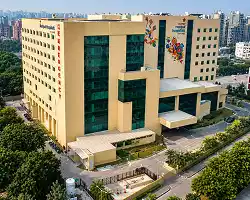
Dwarka - Delhi NCR
-

Gurugram - Delhi NCR
-
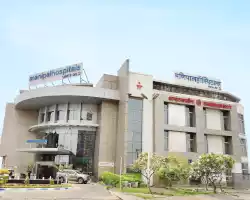
Ghaziabad - Delhi NCR
Didn’t find what you were looking for?
Get in touch with our representatives for help!
Request a CallbackSymptoms of Pigmentation
Pigmentation issues often appear as uneven skin tone, dark spots, or discoloured patches on the face, neck, or hands. These changes may intensify with sunlight exposure, stress, or hormonal imbalance. Identifying the cause early helps in effective treatment and prevention.
How We Diagnose Pigmentation
Diagnosis begins with a comprehensive skin analysis and visual assessment. Advanced imaging techniques are used when required to evaluate the depth and distribution of melanin. Specialists also assess lifestyle factors, sun exposure, and hormonal influences to understand the root cause. The findings help design a precise, customised plan for safe and effective results, supported by the latest tools in laser treatment for pigmentation in Delhi.
Treatment Options
Treatment varies depending on the cause and depth of pigmentation. Options include topical depigmenting agents, chemical peels, and laser-based solutions to even out skin tone. Pigmentation removal treatment in Delhi offers visible improvement and supports long-term skin health through safe and advanced care.
What to Expect
Patients seeking pigmentation treatment in Delhi at Manipal Hospitals can expect a structured, patient-centric journey focused on skin restoration and confidence. The process begins with an expert consultation and detailed assessment to select the most effective approach. Depending on the condition, dermatologists may recommend topical medication or mild chemical peels. In some cases, laser therapy may be used to break down any excess melanin and lighten dark spots and reduce pigmentation.
Each session is performed with precision to ensure comfort and safety. Treatments are quick, require minimal downtime, and show gradual improvement in texture and tone over several weeks. Patients receive tailored skincare guidance, including sunscreen use and hydration, to enhance results and prevent new pigmentation. Regular follow-ups help monitor progress and maintain long-term outcomes.
At Manipal Hospitals, Delhi, specialists combine expertise with modern technology to offer advanced laser treatment for pigmentation in Delhi. The hospital’s holistic approach blends clinical precision with preventive care, ensuring radiant, even-toned, and healthy skin for every patient.
Consult our Experts
FAQs
-
What is the difference between hyperpigmentation and melasma?
-
Hyperpigmentation is a broad term for any darkening of the skin, often caused by sun damage or acne scars.
-
Melasma is a specific type of pigmentation usually triggered by hormonal changes (like pregnancy or birth control) and looks like larger, symmetrical brown patches, typically on the face.
-
-
Does the sun make all types of pigmentation worse?
Yes. UV rays trigger melanocytes (pigment-producing cells) to create more melanin as a defence mechanism. Even if your pigmentation was caused by hormones or a scar, sun exposure will make those spots darker and harder to treat.
-
What ingredients should I look for in "brightening" creams?
-
Vitamin C: An antioxidant that blocks the enzyme used to create pigment.
-
Niacinamide: Helps stop the transfer of pigment to skin cells.
-
Alpha Arbutin/Kojic Acid: Gentler alternatives to harsh bleaching agents that fade dark spots.
-
Retinoids: Speed up cell turnover to shed pigmented cells faster.
-
-
Is it safe to use "lightening" or "bleaching" creams?
You should be cautious. Over-the-counter brightening products are generally safe, but "bleaching" creams containing hydroquinone should only be used under a doctor's supervision. Misuse can lead to permanent skin thinning or a bluish-black discolouration called ochronosis.
-
Can diet or "detoxes" fix skin pigmentation?
There is no scientific evidence that a specific "detox" can remove pigmentation. However, a diet rich in antioxidants (like leafy greens and berries) can help your skin defend itself against UV damage, which indirectly prevents new spots from forming.
-
What professional pigmentation treatments in Delhi work fastest?
-
Chemical Peels: Use acids (like Glycolic or Salicylic) to peel away the pigmented top layers.
-
IPL (Intense Pulsed Light): "Shatters" the pigment with light energy so the body can absorb it.
-
Laser Toning: Targeted lasers that break down deep-seated pigment without damaging the surface.
-
-
Why does my pigmentation come back after treatment?
Pigmentation is often a chronic condition. If the underlying trigger (like sun exposure or hormonal fluctuations) isn't managed, the skin will continue to produce excess melanin. Consistent SPF 50 usage is the only way to maintain results.



You’re on Our Indian Website
Visit the Global site for International patient services
'Click' to chat with us
