

Pancreatitis
Pancreatitis
At Manipal Hospitals, specialists provide the best pancreatitis treatment in Delhi, focusing on accurate diagnosis, effective management, and long-term recovery. Pancreatitis is the inflammation of the pancreas, which can be either acute or chronic. Common causes of pancreatitis include gallstones and alcohol use, which can block the pancreatic duct. The damage to the pancreas can worsen over time and cause permanent scarring. Early evaluation by a gastroenterologist helps prevent complications.
Our Locations
-

Dwarka - Delhi NCR
-

Gurugram - Delhi NCR
-
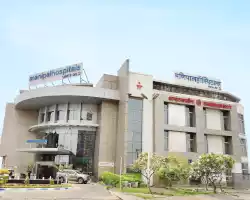
Ghaziabad - Delhi NCR
Didn’t find what you were looking for?
Get in touch with our representatives for help!
Request a CallbackSymptoms of Pancreatitis
Acute pancreatitis causes upper abdominal pain that radiates to the back, often with nausea, vomiting, and fever. Bloating, shortness of breath, and abdominal tenderness may also occur. Chronic pancreatitis leads to constant upper abdominal pain, weight loss, diarrhoea, and smelly stools.
How We Diagnose Pancreatitis
Diagnosis begins with a medical history review, physical examination, blood tests, and imaging scans. The pancreatic blood tests check for elevated levels of pancreatic enzymes in the blood. The diagnosis is confirmed with a CT or an MRI. If chronic pancreatitis is suspected, then a glucose test, stool elastase test, and faecal fat analysis may also be recommended.
Treatment Options
Pancreatitis treatment in Delhi, NCR, includes hospitalisation for intravenous fluids, pain control, and nutritional support. In severe or chronic cases, minimally invasive procedures or surgery may be required to remove blockages or drain cysts. These help manage complications.
What to Expect
Patients receiving the best pancreatitis treatment in Delhi are cared for by a multidisciplinary team of gastroenterologists, surgeons, dieticians, and critical care specialists. The treatment begins with stabilisation and symptom control through hydration, pain relief, and nutritional guidance that ensures steady and comprehensive patient recovery. After the acute phase, specialists treat underlying causes such as gallstones, high triglycerides, or alcohol-related injury to prevent recurrence.
Comprehensive pancreatitis treatment in Delhi, NCR, also includes lifestyle counselling, dietary modifications, and follow-up imaging to assess pancreatic healing and ensure long-term stability. For chronic pancreatitis, enzyme replacement therapy and personalised diet plans help improve digestion, nutrient absorption, and overall well-being. Regular monitoring and patient education play an important role in preventing future flare-ups.
With advanced infrastructure and minimally invasive procedures, Manipal Hospitals, Delhi, ensures safe and effective pancreatitis management. The multidisciplinary team helps patients regain comfort, digestive balance, and a better quality of life.
Consult our Experts
FAQs
-
What is the difference between acute and chronic pancreatitis?
-
Acute Pancreatitis: A sudden inflammation that occurs over a short period. Most people recover fully with treatment, but severe cases can be life-threatening.
-
Chronic Pancreatitis: Persistent inflammation that doesn't heal. Over time, it causes permanent damage and scarring, leading to the pancreas losing its ability to function properly.
-
-
What are the most common causes?
The two most frequent triggers are:
-
Gallstones: A stone can get stuck in the common bile duct, blocking the pancreatic duct and forcing enzymes back into the pancreas.
-
Heavy Alcohol Use: Long-term or excessive alcohol consumption is a leading cause, particularly for chronic cases.
-
Other factors: High triglycerides, certain medications, infections, or abdominal trauma.
-
-
What does the pain feel like?
Pancreatitis pain is usually distinct:
-
It starts in the upper abdomen (epigastric region).
-
It often radiates to the back.
-
It typically feels worse after eating, especially fatty foods.
-
In acute cases, the pain is sudden and intense; in chronic cases, it may be a constant, dull ache.
-
-
Is pancreatitis a medical emergency?
Yes. Acute pancreatitis requires immediate hospitalisation. Because the pancreas contains powerful digestive enzymes, inflammation can cause the organ to start "digesting itself," leading to internal bleeding, tissue death (necrosis), or organ failure if not treated promptly.
-
How is it diagnosed?
Doctors typically use a combination of:
-
Blood Tests: Looking for high levels of amylase and lipase (digestive enzymes).
-
Imaging: Ultrasounds, CT scans, or MRIs to look for inflammation, gallstones, or fluid buildup.
-
Stool Tests: In chronic cases, to see if the body is absorbing fats correctly.
-



You’re on Our Indian Website
Visit the Global site for International patient services
'Click' to chat with us
