
1.webp "Sciatica Treatment in Delhi | Manipal Hospitals")
Neuropathic Pain
Neuropathic Pain
Neuropathic pain occurs due to nerve damage or dysfunction that leads to persistent pain, burning, or tingling sensations. It can happen due to conditions, such as diabetes, spinal injuries, or nerve compression. Manipal Hospitals offers expert care for various types of nerve-related pain conditions, including the best sciatica treatment in Delhi. The team ensures accurate diagnosis and effective relief. Early intervention helps prevent chronic discomfort and improves overall quality of life.
Our Locations
-
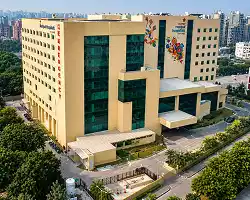
Dwarka - Delhi NCR
-

Gurugram - Delhi NCR
-
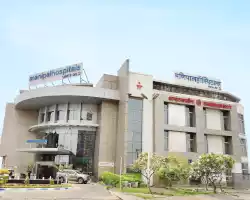
Ghaziabad - Delhi NCR
Didn’t find what you were looking for?
Get in touch with our representatives for help!
Request a CallbackSymptoms of Neuropathic Pain
Patients may experience sharp, shooting, or burning pain, numbness, or heightened sensitivity to touch. Weakness, tingling, or electric shock-like sensations are common in affected areas, often worsening with movement or pressure.
How We Diagnose Neuropathic Pain
Specialists at Manipal Hospitals, Delhi, use modern diagnostic methods to determine the underlying cause of neuropathic pain. For conditions like trigeminal neuralgia or sciatica, evaluation includes nerve conduction studies, MRI scans, and physical assessments. Precise diagnosis guides personalised therapies, including specialised trigeminal neuralgia treatment in Delhi, ensuring targeted pain management and long-term relief.
Treatment Options
Treatment involves medications, nerve blocks, physiotherapy, and lifestyle management. For severe or chronic cases, options like radiofrequency ablation or neurosurgical procedures are used alongside to relieve symptoms and enhance nerve healing.
What to Expect
Patients undergoing sciatica treatment in Delhi for neuropathic pain at Manipal Hospitals can expect comprehensive, customised care focused on long-term recovery and improved nerve health. The treatment journey begins with a detailed evaluation to identify nerve damage and pain triggers. Specialists then create a tailored plan that may include medications, targeted physiotherapy, and minimally invasive interventions for pain relief.
For complex nerve pain disorders such as trigeminal neuralgia or chronic sciatica, therapy focuses on improving nerve function, reducing inflammation, and restoring mobility. Physiotherapy and rehabilitation exercises help strengthen muscles, correct posture, and prevent recurrence. Throughout recovery, doctors monitor progress closely, adjusting treatment intensity based on the patient’s response and comfort level. Education on lifestyle modifications, ergonomics, and pain management techniques supports lasting improvement.
Manipal Hospitals is also known for offering advanced trigeminal neuralgia and sciatica pain treatment in Delhi, where care extends beyond symptom relief. A multidisciplinary team delivers holistic management, combining technology, expertise, and compassion. The team helps patients regain comfort, improve function, and achieve a better quality of life.
Consult our Experts
FAQs
-
What does neuropathic pain feel like?
It is frequently described as a burning, stabbing, or shooting sensation. Other common symptoms include "pins and needles" (tingling), numbness, and electric shock-like jolts. Some people also experience allodynia, where a normally painless stimulus—like the touch of clothing or a light breeze—becomes painful.
-
What are the most common causes?
Diabetes is the leading cause, accounting for approximately 30% of cases. Other common causes include:
-
Infections such as shingles (postherpetic neuralgia) or HIV.
-
Physical trauma or nerve compression (e.g., from a herniated disc).
-
Central nervous system disorders like multiple sclerosis or stroke.
-
Cancer treatments, specifically chemotherapy.
-
-
Why does the pain often get worse at night?
Many patients find their symptoms intensify when they try to sleep. This can be due to fewer distractions, lower temperatures in the bedroom, or even the weight and texture of bedsheets pressing against sensitive skin.
-
How is it different from "normal" (nociceptive) pain?
Nociceptive pain is the body's healthy response to tissue damage (like a cut or bruise) and usually stops once the injury heals. Neuropathic pain is a malfunction of the nerves themselves; they fire alarms even when there is no external injury or clear reason to do so.
-
Can neuropathic pain be cured?
There is currently no definitive permanent cure, but it is highly manageable. If an underlying cause—like a vitamin deficiency or compressed nerve—can be addressed, the pain may resolve or significantly improve. For chronic cases, the goal is long-term symptom management to improve quality of life.



You’re on Our Indian Website
Visit the Global site for International patient services
'Click' to chat with us
