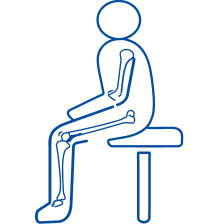

Musculoskeletal Disorders
Musculoskeletal Disorders
Manipal Hospitals offers joint pain treatment in Delhi to help patients regain mobility and improve their quality of life. Musculoskeletal disorders affect the bones, muscles, joints, ligaments, and tendons. They often cause pain, stiffness, or less movement. These conditions may result from injury, poor posture, repetitive strain, ageing, or degenerative diseases such as arthritis. Early diagnosis and thorough treatment are essential for avoiding long-term complications and regaining strength and flexibility.
Our Locations
-
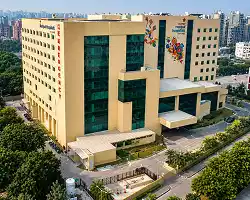
Dwarka - Delhi NCR
-

Gurugram - Delhi NCR
-
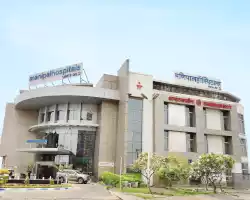
Ghaziabad - Delhi NCR
Didn’t find what you were looking for?
Get in touch with our representatives for help!
Request a CallbackSymptoms of Musculoskeletal Disorders
Musculoskeletal disorders can cause pain, swelling, or stiffness in the joints, neck, or back. Some patients experience muscle weakness, fatigue, or a limited range of motion. Symptoms may worsen with physical activity or prolonged sitting and improve with rest or therapy.
How We Diagnose Musculoskeletal Disorders
Diagnosis begins with a thorough clinical evaluation and medical history review. Specialists may perform physical examinations to assess joint movement, muscle strength, and posture. Imaging tests such as X-rays, MRI, or ultrasound help detect inflammation, nerve compression, or structural abnormalities. These allow doctors to recommend targeted therapies, including neck pain treatment in Delhi and related rehabilitation options tailored to each patient’s condition.
Treatment Options
Treatment depends on the cause and severity of symptoms. It may include medication for pain relief, physiotherapy, posture correction, or minimally invasive procedures for advanced cases. Manipal Hospitals, Delhi, also offers personalised programmes combining expert care and advanced rehabilitation.
What to Expect
Patients seeking joint pain treatment in Delhi at Manipal Hospitals receive personalised, multidisciplinary care designed to relieve pain and restore movement. The treatment journey begins with a detailed evaluation to identify the root cause. A customised plan is then created, which may include medication, targeted physiotherapy, and guided exercise therapy. For chronic or severe pain, advanced interventions such as image-guided injections or minimally invasive procedures may be recommended. These treatments help reduce inflammation and promote faster healing.
During therapy, specialists closely monitor progress, ensuring comfort and gradual improvement in strength and mobility. Patients are advised on ergonomics, posture correction, and home exercises to prevent recurrence. Regular follow-ups help track recovery and adjust treatment as needed.
At Manipal Hospitals, Delhi, experts combine medical management, physiotherapy, and advanced technology to deliver comprehensive care. From early intervention to post-treatment rehabilitation, the hospital’s holistic approach ensures lasting relief through effective back pain treatment in Delhi. This comprehensive care helps patients return to an active, pain-free lifestyle.
Consult our Experts
FAQs
-
What exactly counts as a musculoskeletal disorder?
It is a broad category covering conditions that cause pain or damage to the body’s movement system. Common examples include carpal tunnel syndrome, tendonitis, tension neck syndrome, ligament sprains, and even degenerative disc disease in the spine.
-
What are the main risk factors for developing an MSD?
Most MSDs are caused by "cumulative trauma." Key risks include repetitive motions (like typing), heavy lifting, poor posture, and prolonged periods of staying in one position. Your age, fitness level, and even high stress levels can also contribute to muscle tension and injury.
-
How do I know if my pain is an MSD or just a sore muscle?
Normal muscle soreness from exercise usually fades within 48 to 72 hours. An MSD typically involves persistent aching, stiffness, or numbness that doesn't go away with rest. You might also notice a decreased range of motion or a "grating" sensation in your joints.
-
Can my office desk setup really cause long-term damage?
Yes. Poor ergonomics, like a monitor that is too low or a chair without lumbar support, force your muscles to work harder to hold your body up. Over months or years, this leads to chronic strain, especially in the neck, shoulders, and lower back.
-
Are these conditions only caused by physical labour?
Not at all. While manual labourers are at risk, "sedentary" workers are equally vulnerable. Inactivity can lead to muscle atrophy and stiff joints, while repetitive tasks like using a computer mouse can cause localised inflammation in the wrist and forearm.



You’re on Our Indian Website
Visit the Global site for International patient services
'Click' to chat with us
