
21.webp "Lymphoma Treatment in Delhi | Manipal Hospitals")
Lymphoma
Lymphoma
Manipal Hospitals offers specialised lymphoma treatment in Delhi. Lymphoma is a group of blood cancers that affect the lymphatic system. The serious condition starts when infection-fighting white blood cells, called lymphocytes, mutate and grow uncontrollably. Factors that increase the risk of lymphoma include viral infections, a weakened immune system, and a family history of the disease. Treatment is determined by the type of lymphoma, primarily Hodgkin and non-Hodgkin variants.
Our Locations
-
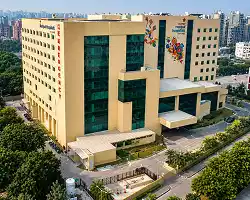
Dwarka - Delhi NCR
-

Gurugram - Delhi NCR
-
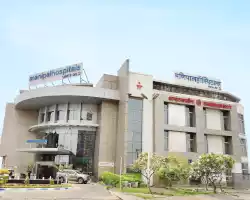
Ghaziabad - Delhi NCR
Didn’t find what you were looking for?
Get in touch with our representatives for help!
Request a CallbackSymptoms of Lymphoma
Symptoms often include painless swelling of lymph nodes in the neck, armpits, or groin region. Other common symptoms include persistent fatigue, drenching night sweats, recurrent fever, and unexplained weight loss.
How We Diagnose Lymphoma
Lymphoma diagnosis begins with a detailed physical examination followed by a tissue biopsy for microscopic analysis. Specialists collaborate closely with expert pathologists to examine the cells, confirm the diagnosis, and identify the specific lymphoma subtype. Further staging tests, including comprehensive blood tests and advanced imaging scans, are essential for accurate treatment planning.
Treatment Options
Treatment procedures vary based on the type of lymphoma, its stage, and the patient’s overall health. The best hospital for lymphoma treatment in Delhi, NCR, offers chemotherapy, radiation therapy, immunotherapy, targeted therapy, and advanced CAR T-cell therapy.
What to Expect
Manipal Hospitals offers comprehensive lymphoma treatment in Delhi, providing advanced medical care and holistic support throughout the recovery process. Palliative care plays a crucial role in managing symptoms and treatment-related side effects, such as fatigue or pain. It helps patients maintain comfort, emotional stability, and overall well-being during treatment.
A patient’s prognosis depends on the lymphoma type, age, and overall health at diagnosis. Treatment aims to control the disease, remove cancerous cells, and prevent recurrence. Regular follow-up appointments are crucial, as lymphoma can return even after remission. During these visits, specialists monitor for new symptoms and assess ongoing recovery.
As one of the best hospitals for lymphoma treatment in Delhi, NCR, Manipal Hospitals follows a multidisciplinary approach. The team includes experienced oncologists, haematologists, and palliative care experts working together to deliver personalised treatment. Patients receive coordinated, compassionate care tailored to their individual needs. Supportive services, including nutrition counselling, stress management, and guided exercise, are integrated into the care plan to improve quality of life.
With expert supervision and advanced technology, Manipal Hospitals ensures safe, effective, and patient-centric lymphoma care.
Consult our Experts
FAQs
-
What are the most common early warning signs?
The most frequent early sign is a painless swelling of one or more lymph nodes in the neck, armpits, or groin. Other common symptoms include:
-
Drenching night sweats that soak pajamas or sheets.
-
Unexplained weight loss (more than 10% of body weight in 6 months).
-
Persistent fatigue and unexplained fever.
-
Itchy skin without a visible rash.
-
-
Is lymphoma hereditary?
Generally, no. Most cases are not passed down from parent to child. However, having a first-degree relative (parent or sibling) with the disease may slightly increase your risk, suggesting a minor genetic predisposition in some families.
-
Can lymphoma be detected in a standard blood test?
A standard blood test, like a Complete Blood Count (CBC), cannot diagnose lymphoma, though it may show abnormalities like high white blood cell counts. A definitive diagnosis requires a biopsy, where a small tissue sample is removed from a lymph node and examined under a microscope.
-
What causes lymphoma?
While the exact cause is often unknown, several risk factors have been identified:
-
Age and Gender: Risk often increases with age, and it is slightly more common in men.
-
Weakened Immune System: Due to HIV/AIDS or organ transplant medications.
-
Viral Infections: Such as Epstein-Barr virus (EBV) or Hepatitis C.
-
Chemical Exposure: Prolonged exposure to pesticides or benzene.
-
-
Is lymphoma curable?
Yes, many types are highly treatable and curable, especially Hodgkin lymphoma. Consult an expert for personalised treatment of lymphoma in Delhi. For some slow-growing (indolent) non-Hodgkin lymphomas, doctors may use a "watch and wait" approach if there are no symptoms, though these types may require long-term management rather than a one-time "cure".



You’re on Our Indian Website
Visit the Global site for International patient services
'Click' to chat with us
