2.webp "Best Lung Cancer Treatment in Delhi | Manipal Hospitals")
1.webp "Best Lung Cancer Treatment in Delhi | Manipal Hospitals")
Lung Cancer
Lung Cancer
Manipal Hospitals offers the best lung cancer treatment in Delhi, focusing on early detection, precise diagnosis, and multidisciplinary care. Lung cancer occurs when abnormal cells in the lung tissue multiply uncontrollably. People who smoke have the greatest risk of lung cancer. However, the condition can also develop in those who have never smoked. As lung cancer is a leading cause of cancer-related deaths worldwide, early diagnosis can improve treatment outcomes.
Our Locations
-
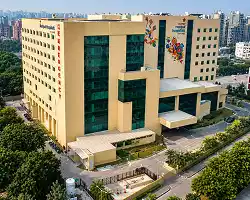
Dwarka - Delhi NCR
-

Gurugram - Delhi NCR
-
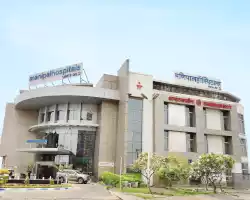
Ghaziabad - Delhi NCR
Didn’t find what you were looking for?
Get in touch with our representatives for help!
Request a CallbackSymptoms of Lung Cancer
Patients with lung cancer may not experience symptoms early on. As the cancer advances, symptoms may develop. These may include a persistent cough, coughing up blood, chest pain, hoarseness, shortness of breath, and wheezing.
How We Diagnose Lung Cancer
Diagnosing lung cancer can be a multi-step process. The doctor listens to the symptoms, evaluates medical history, and performs a physical exam. Additionally, the doctor may order blood tests and imaging studies (chest X-ray, CT, or PET/CT scan) for further evaluation. Doctors perform a biopsy to confirm the diagnosis and plan the most suitable treatment.
Treatment Options
Lung cancer treatment in Delhi includes surgery, radiofrequency ablation, radiation therapy, chemotherapy, targeted drug therapy and immunotherapy. The treatment aims to eliminate cancer cells from the body or slow their growth and spread.
What to Expect
Patients wanting the best lung cancer treatment in Delhi are supported by a compassionate, multidisciplinary team from diagnosis through recovery. The treatment journey begins with comprehensive staging and multidisciplinary evaluation to determine the most effective approach. Early-stage cases may benefit from surgical tumour removal, while advanced stages are managed with chemotherapy, radiation therapy, or targeted biological treatments.
Doctors from multiple specialities often collaborate to deliver comprehensive treatment and care for individuals with lung cancer. Throughout the process, patients receive holistic support, including respiratory therapy, pain management, and nutritional counselling. These measures help manage symptoms and provide effective pain relief. Emotional and psychological care is prioritised to help patients and their families cope with treatment challenges. Regular monitoring and follow-up ensure timely adjustments, enhancing comfort and improving overall quality of life.
Lung cancer treatment in Delhi, NCR, combines advanced technology with clinical expertise to deliver precise, patient-centred care. The focus remains on controlling disease progression, reducing complications, and helping patients regain strength, confidence, and hope for a healthier future.
Consult our Experts
FAQs
-
Is lung cancer only a "smoker’s disease"?
No. A significant trend in India is the high rate of lung cancer among non-smokers, who account for approximately 30% to 50% of all cases. Indian women, in particular, are disproportionately affected; some studies show that up to 83% of Indian women diagnosed with lung cancer have never smoked.
-
How does air pollution in Indian cities impact lung cancer risk?
Severe air pollution is a major contributor to India's lung cancer burden.
-
Outdoor Pollution: High levels of particulate matter (PM_{2.5}) in cities like Delhi and Mumbai cause chronic inflammation and genetic damage over time.
-
Indoor Pollution: In rural areas, the use of biomass fuels (wood, cow-dung, crop waste) for cooking and heating releases carcinogens that are a leading risk factor for women and children.
-
-
Why is lung cancer often confused with Tuberculosis (TB) in India?
Both diseases share strikingly similar symptoms, such as a persistent cough, weight loss, and coughing up blood. Because TB is so prevalent in India, lung cancer is often misdiagnosed as TB initially, which can delay life-saving cancer treatment by several months.
-
What is the average cost of lung cancer treatment in Delhi?
Treatment costs vary significantly based on the stage and type of therapy:
-
Early Stage: ₹3 lakh to ₹6 lakh.
-
Advanced Stage: ₹12 lakh to ₹20 lakh or more.
-
Standard Therapies: Chemotherapy typically costs ₹30,000 to ₹1 lakh per cycle, while radiation therapy ranges from ₹1.5 lakh to ₹4 lakh for a full course.
-
Advanced Options: Immunotherapy and targeted therapies, which are increasingly common, can cost between ₹1 lakh and ₹5 lakh per session/month.
-
-
What role do 'bidis' and smokeless tobacco play in lung cancer in India?
While cigarettes are common, bidis (hand-rolled tobacco) are widely used and potentially more carcinogenic due to higher levels of tar and nicotine. Additionally, India has a high consumption of smokeless tobacco (like gutkha and pan masala). While these are primarily linked to oral cancers, they also contain systemic toxins that contribute to overall cancer risk and can damage the respiratory lining.



You’re on Our Indian Website
Visit the Global site for International patient services
'Click' to chat with us
