31.webp "Kidney Stone Treatment in Delhi | Manipal Hospitals")

Kidney Stones
Kidney Stones
Manipal Hospitals offers specialised kidney stone treatment in Delhi, providing quick relief and protecting kidney health. Kidney stones develop when excess minerals and salts crystallise within the kidneys, forming solid deposits. Contributing factors may include inadequate water intake, a high-sodium diet, obesity, certain medical issues, and genetics. Early detection and treatment are essential to avoid complications like infection, severe obstruction, repeated stone formation, or lasting kidney damage.
Our Locations
-
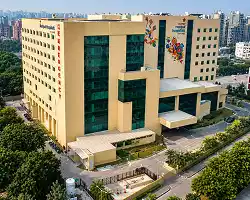
Dwarka - Delhi NCR
-

Gurugram - Delhi NCR
-
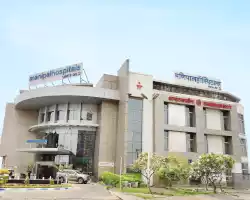
Ghaziabad - Delhi NCR
Didn’t find what you were looking for?
Get in touch with our representatives for help!
Request a CallbackSymptoms of Kidney Stones
Kidney stones can cause severe back or side pain, which may move to the lower abdomen. Other symptoms may include burning during urination, blood in the urine, frequent urination, nausea, or vomiting. Sudden, intense pain needs urgent medical care.
How We Diagnose Kidney Stones
Diagnosis begins with an assessment of symptoms, a physical examination, and an evaluation of risk factors. Specialists may recommend imaging such as ultrasound, X-ray, or CT scan to identify the exact size and location of the stone. Blood and urine tests help detect infection and mineral imbalance. These findings enable a tailored treatment plan for safe and effective stone removal.
Treatment Options
The choice of treatment depends on the stone’s size, position, and associated discomfort. Smaller stones often pass naturally through medication and increased fluid intake. Larger or obstructing stones may require minimally invasive techniques, including Lithotripsy, Ureteroscopy, or Percutaneous Nephrolithotomy.
What to Expect
Individuals seeking kidney stone treatment in Delhi at Manipal Hospitals will receive a structured, patient-focused care plan. Initial evaluation involves pain control, imaging tests, and guidance on hydration and diet. When stones are small, supportive treatments help them pass through urine without the need for surgery.
If the stones are too large or continue causing discomfort, advanced minimally invasive procedures are recommended. Ureteroscopy uses a fine instrument to break stones within the urinary tract. Shockwave Lithotripsy helps shatter stones from outside the body. In complicated cases, Percutaneous Nephrolithotomy allows the surgeon to remove stones through a tiny opening in the back with precision.
Post-treatment care includes monitoring kidney function, metabolic evaluation, and lifestyle advice to prevent recurrence. Scheduled follow-ups ensure complete clearance and long-term kidney wellness.
Manipal Hospitals is equipped with superior technology and experienced urology specialists, offering highly effective kidney stone laser treatment in Delhi. This modern approach enables faster recovery, minimal pain, and a quicker return to normal activities. Dedicated nursing professionals support the hospital, assisting patients throughout their recovery journey.
Consult our Experts
FAQs
-
What does a kidney stone feel like?
The most common symptom is sharp, cramping pain in the back and side (flank), often radiating to the lower abdomen or groin. The pain usually comes in waves and may be accompanied by nausea, vomiting, or blood in the urine.
-
What causes kidney stones to form?
Stones form when your urine contains more crystal-forming substances—such as calcium, oxalate, and uric acid—than the fluid in your urine can dilute. The most common culprit is dehydration, which makes urine highly concentrated.
-
Are all kidney stones the same?
No. There are four main types:
-
Calcium stones: The most common, often caused by high oxalate levels.
-
Uric acid stones: Often linked to high-protein diets or gout.
-
Struvite stones: Usually caused by a urinary tract infection (UTI).
-
Cystine stones: A rare hereditary disorder.
-
-
Does drinking milk cause kidney stones?
Actually, it’s usually the opposite. Dietary calcium (from food and dairy) binds with oxalates in your digestive tract before they reach your kidneys, which can actually prevent stones. However, calcium supplements may increase risk, so check with a doctor first.



You’re on Our Indian Website
Visit the Global site for International patient services
'Click' to chat with us
