1.webp "Infertility Treatment in Delhi | Manipal Hospitals")
1.webp "Infertility Treatment in Delhi | Manipal Hospitals")
Infertility
Infertility
Manipal Hospitals provides advanced infertility treatment in Delhi for couples experiencing challenges with conception. challenges with conception. Infertility is the inability to achieve pregnancy after one year of regular, unprotected intercourse or six months for women aged 35 or above. Causes may include hormonal imbalance, age-related decline, anatomical issues, sperm abnormalities, lifestyle factors, or ovulation disorders. A thorough clinical evaluation helps identify the exact cause and guide the best treatment plan.
Our Locations
-
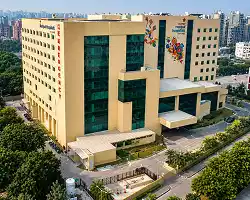
Dwarka - Delhi NCR
-

Gurugram - Delhi NCR
-

Ghaziabad - Delhi NCR
Didn’t find what you were looking for?
Get in touch with our representatives for help!
Request a CallbackSymptoms of Infertility
Difficulty conceiving is a common sign of infertility. Women may experience irregular or pelvic discomfort, while men may notice reduced sexual function or hormonal changes. Some couples show no symptoms, so a timely medical evaluation is essential when pregnancy is delayed.
How We Diagnose Infertility
Doctors begin with a detailed medical and reproductive history, followed by physical examinations for both partners. Women undergo hormone tests, ovulation assessment, pelvic ultrasound, and tubal patency evaluation. Men undergo semen analysis to assess sperm count, motility, and morphology, along with hormone tests or scrotal ultrasound if needed. These investigations help detect the underlying fertility issues accurately.
Treatment Options
Treatment depends on the identified cause and may include ovulation-inducing medications or minimally invasive surgery to address fibroids or blocked fallopian tubes. Assisted Reproductive Techniques such as IUI, IVF, or ICSI may be advised to improve fertilisation and pregnancy success.
What to Expect
At Manipal Hospitals, couples seeking infertility treatment in Delhi receive compassionate, well-structured care throughout their parenthood journey. Specialists assess both partners’ reproductive health and design a personalised treatment plan that aligns with their medical needs and family goals. Management may include ovulation-stimulating medications, lifestyle optimisation, and timed intercourse. Minimally invasive surgery can correct structural conditions like endometriosis, fibroids, or fallopian tube blockages to restore natural fertility.
When male-factor infertility or unexplained infertility is present, intrauterine insemination (IUI) may be recommended. For more complex cases, advanced Assisted Reproductive Technologies such as IVF and ICSI offer improved chances of conception with precise laboratory support and expert embryologists.
Couples receive counselling support, stress management strategies, and nutritional guidance to optimise fertility and emotional well-being. Regular monitoring and follow-up visits ensure timely adjustments and improved success rates. This supportive, multidisciplinary approach makes Manipal Hospitals a trusted centre for specialised infertility treatment in Delhi NCR. The team helps couples feel confident and cared for throughout their journey to parenthood.
Consult our Experts
FAQs
-
Is infertility mainly a "woman’s issue"?
No. Infertility affects men and women almost equally. Statistically, about one-third of cases are attributed to female factors, one-third to male factors, and the remaining third to a combination of both or unexplained causes.
-
What are the most common causes of infertility in women?
The most frequent causes include:
-
Ovulation Disorders: Such as Polycystic Ovary Syndrome (PCOS) or hormonal imbalances.
-
Tubal Blockage: Often caused by Pelvic Inflammatory Disease (PID) or endometriosis.
-
Age: Fertility declines significantly after age 35 as egg quantity and quality decrease.
-
Endometriosis: When uterine-like tissue grows outside the uterus, affecting the ovaries or tubes.
-
-
What are the most common causes of infertility in men?
Male infertility is usually related to sperm health, including the following:
-
Low sperm count (oligospermia) or absence of sperm (azoospermia).
-
Poor motility: Sperm that don’t swim effectively toward the egg.
-
Abnormal morphology: Sperm with an irregular shape that cannot penetrate the egg.
-
Varicocele: Enlarged veins in the scrotum that overheat the testes, damaging sperm production.
-
-
Can lifestyle choices impact fertility?
Yes, significantly. Both partners can improve their chances by:
-
Maintaining a healthy weight: Being significantly underweight or overweight can disrupt ovulation and sperm production.
-
Quitting smoking: Tobacco is linked to lower sperm counts and increased miscarriage risk.
-
Limiting alcohol and caffeine: Excessive intake can interfere with hormonal balance.
-
Reducing stress: While stress doesn't usually "cause" infertility, it can disrupt regular cycles and libido.
-
-
How is infertility diagnosed?
Doctors typically start with a physical exam and medical history, followed by:
-
For Men: A semen analysis to check count, movement, and shape.
-
For Women: Blood tests to check hormone levels (like AMH or progesterone) and imaging like an HSG (hysterosalpingogram) to ensure the fallopian tubes are open.
-



You’re on Our Indian Website
Visit the Global site for International patient services
'Click' to chat with us
