

Hemorrhoids
Hemorrhoids
Manipal Hospitals offers comprehensive piles treatment in Delhi, focusing on timely detection and effective management. Piles, or haemorrhoids, are swollen veins in the rectum or anus that may be internal or external. Common causes include prolonged sitting, chronic constipation, low-fibre diet, obesity, and pregnancy. Early diagnosis and compassionate care can help prevent complications such as anaemia, thrombosis, or infection and support faster recovery.
Our Locations
-
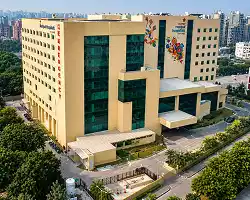
Dwarka - Delhi NCR
-

Gurugram - Delhi NCR
-
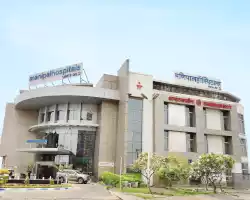
Ghaziabad - Delhi NCR
Didn’t find what you were looking for?
Get in touch with our representatives for help!
Request a CallbackSymptoms of Hemorrhoids
Haemorrhoids often cause bleeding during bowel movements, itching, pain, and swelling around the anal area. Patients may notice small lumps, mucus discharge, or a sensation of incomplete bowel emptying. Persistent symptoms require prompt medical evaluation.
How We Diagnose Hemorrhoids
Doctors conduct a detailed review of the patient’s medical history and symptoms. They perform a visual inspection to detect external haemorrhoids and a physical examination to assess internal ones. Digital rectal examination, anoscopy, or sigmoidoscopy helps evaluate the rectal lining and rule out other conditions. Accurate diagnosis ensures a patient-centric treatment plan for patients seeking the best piles treatment in Delhi.
Treatment Options
Doctors treat mild haemorrhoids with dietary and lifestyle changes, including more fibre and fluids. Persistent cases may need minimally invasive options like rubber-band ligation or sclerotherapy. Recurrent or severe cases require surgical removal through haemorrhoidectomy or stapled haemorrhoidopexy for long-term relief.
What to Expect
Manipal Hospitals is known for providing advanced and patient-focused piles treatment in Delhi. Each patient receives a personalised plan focused on safety, comfort, and long-term recovery. Treatment begins with a detailed assessment of symptoms and severity. For mild cases, doctors relieve pain and swelling with a high-fibre diet, stool softeners, hydration, medications, and sitz baths. If symptoms persist, minimally invasive procedures like rubber-band ligation, infrared coagulation, or sclerotherapy are used to shrink or seal the haemorrhoid tissue.
In severe or thrombosed cases, surgical procedures such as haemorrhoidectomy or stapled haemorrhoidopexy are performed. Equipped with modular operating theatres and high-tech surgical tools, skilled surgeons ensure precision, safety, and effective outcomes. After treatment, patients receive clear guidance on hygiene, diet, bowel habits, and pain management.
Regular follow-ups help ensure complete healing and prevent recurrence. The care team provides continuous support to help patients return to normal routines. Manipal Hospitals is widely regarded as the best hospital for piles treatment in Delhi, ensuring expert care and lasting relief.
Consult our Experts
FAQs
-
What is the difference between internal and external haemorrhoids?
-
Internal haemorrhoids develop inside the rectum. They are typically painless because there are few pain-sensing nerves in that area, but they often cause bright red bleeding during bowel movements.
-
External haemorrhoids form under the skin around the anus. These tend to be more uncomfortable, causing itching, swelling, and significant pain when sitting or during bowel movements.
-
-
What are the most common symptoms?
The most frequent signs include bright red blood on toilet paper or in the toilet bowl after a bowel movement, itching or irritation in the anal region, pain or discomfort (especially when sitting), and a sensitive lump near the anus.
-
What causes haemorrhoids to develop?
They are usually caused by increased pressure on the veins in the pelvic and rectal area. Common triggers include straining during bowel movements, chronic constipation or diarrhoea, obesity, pregnancy, and sitting for long periods, especially on the toilet.
-
How long do they typically last?
Most mild haemorrhoids improve within a few days to a week with home care. However, larger or clotted (thrombosed) haemorrhoids can take several weeks to fully heal, and they may recur if the underlying cause, like constipation, isn't addressed.
-
Can I treat them at home and when is it essential to visit a doctor for piles treatment in Delhi?
Yes, many cases respond well to self-care. Effective home remedies include:
-
High-fiber diet: Eating more fruits, vegetables, and whole grains to soften stools.
-
Hydration: Drinking plenty of water daily.
-
Sitz baths: Soaking the anal area in warm water for 10–15 minutes several times a day.
-
Topical relief: Using over-the-counter creams, ointments, or witch hazel wipes.
-
-
Are haemorrhoids a sign of cancer?
No, haemorrhoids do not cause or lead to colorectal cancer. However, because rectal bleeding is a symptom of both haemorrhoids and cancer, it is essential to have any bleeding evaluated by a doctor to rule out more serious conditions.



You’re on Our Indian Website
Visit the Global site for International patient services
'Click' to chat with us
