

Gynecological Cancers
Gynecological Cancers
Manipal Hospitals provides expert ovarian cancer treatment in Delhi, offering comprehensive care for various gynaecological cancers. These occur when abnormal cells grow uncontrollably in reproductive organs like the ovaries, cervix, uterus, fallopian tubes, vagina, or vulva. Causes include genetic mutations, hormonal imbalance, family history, obesity, or HPV infection. Early diagnosis and timely treatment help prevent cancer progression, improve recovery, and enhance long-term survival.
Our Locations
-
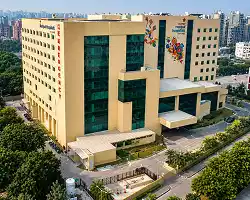
Dwarka - Delhi NCR
-

Gurugram - Delhi NCR
-
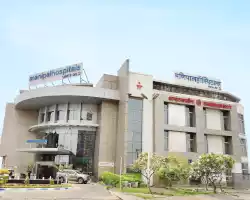
Ghaziabad - Delhi NCR
Didn’t find what you were looking for?
Get in touch with our representatives for help!
Request a CallbackSymptoms of Gynecological Cancers
Symptoms of gynaecological cancers vary based on the affected organ and disease stage. Common warning signs include abnormal vaginal bleeding, persistent bloating, pelvic or abdominal pain, and changes in bowel or urinary habits.
How We Diagnose Gynecological Cancers
At Manipal Hospitals, oncologists conduct a detailed medical history review and gynaecological examination. Tests such as pelvic ultrasound, CT or MRI scans, and tumour marker studies help identify abnormal growths. A biopsy confirms the diagnosis and cancer type. Early, accurate detection enables specialists at one of the best hospitals for ovarian cancer in Delhi to plan stage-specific treatment.
Treatment Options
Treatment depends on the cancer type, stage, and overall health. Options include surgery, radiation therapy, and chemotherapy. In select cases, targeted drug therapy, hormone therapy, or immunotherapy may be used. Specialists also perform minimally invasive and robotic-assisted procedures.
What to Expect
At Manipal Hospitals, patients seeking ovarian cancer treatment in Delhi benefit from an integrated care model that focuses on precision, comfort, and long-term recovery. The multidisciplinary team, comprising oncologists, radiologists, pathologists, nurses, and counsellors, works collaboratively to ensure coordinated, research-driven care.
Treatment may involve surgery to remove affected tissues, followed by chemotherapy or radiation therapy to eliminate residual cancer cells. For advanced cases, the hospital offers specialised options such as hyperthermic intraperitoneal chemotherapy (HIPEC) and advanced radiation therapies, including brachytherapy and intensity-modulated radiation therapy (IMRT). Each plan is tailored to the cancer stage and patient needs, ensuring safety and optimal outcomes.
Continuous monitoring, follow-up care, and rehabilitation support help patients regain strength and maintain well-being. Nutritional counselling, pain management, and emotional support form an essential part of recovery. Recognised as one of the best hospitals for ovarian cancer in Delhi, Manipal Hospitals combines modern technology, skilled specialists, and patient-centred care. This approach helps women recover with confidence and improve their quality of life.
Consult our Experts
FAQs
-
What are the different types of gynaecological cancers?
There are five main types: Cervical, Ovarian, Uterine (Endometrial), Vaginal, and Vulvar cancer. Each is named after the organ where the cancer first begins. Consult a doctor for timely diagnosis and the best ovarian cancer treatment in Delhi.
-
What are the most common "silent" symptoms to watch for?
Symptoms can be subtle but often include:
-
Abnormal vaginal bleeding (between periods, after sex, or after menopause).
-
Persistent pelvic pain or pressure.
-
Changes in bathroom habits (increased urgency or constipation).
-
Bloating or feeling full too quickly (common in ovarian cancer).
-
Itching, burning, or soreness of the vulva.
-
-
Can a Pap smear detect all gynaecological cancers?
No. A Pap smear is specifically designed to screen for Cervical cancer only. There are currently no reliable, routine screening tests for ovarian, uterine, vaginal, or vulvar cancers. This makes paying attention to your body's "baseline" very important.
-
Is there a vaccine to prevent these cancers?
Yes. The HPV vaccine protects against the types of Human Papillomavirus that cause the vast majority of cervical, vaginal, and vulvar cancers. It is most effective when given in early adolescence, but is approved for adults up to age 45.
-
How does menopause affect the risk?
The risk of most gynaecological cancers (except cervical) increases with age, particularly after menopause. Any vaginal bleeding after menopause is considered abnormal and should be evaluated by a doctor immediately.
-
Are gynaecological cancers hereditary?
Some are. Approximately 5% to 15% of ovarian cancers are linked to inherited gene mutations, most commonly BRCA1 and BRCA2 (the same genes linked to breast cancer). Lynch syndrome is also associated with an increased risk of uterine and ovarian cancers.
-
Does using talcum powder cause ovarian cancer?
This has been a subject of long-term debate and legal action. While some studies suggest a small increase in risk for those using talc in the genital area, the scientific evidence remains inconsistent. Most doctors recommend using cornstarch-based powders as a safer alternative if needed.
-
What is the "Gold Standard" for diagnosing ovarian cancer?
Because there is no simple screening test, doctors usually use a combination of a transvaginal ultrasound and a CA-125 blood test. However, a definitive diagnosis can only be made through a surgical biopsy.
-
Does having an HPV infection mean I will get cancer?
Not necessarily. HPV is extremely common, and in most women, the body's immune system clears the virus on its own. It is only persistent infections with "high-risk" strains that can lead to cellular changes and eventually cancer over several years.



You’re on Our Indian Website
Visit the Global site for International patient services
'Click' to chat with us
