

Growth Hormone Deficiency
Growth Hormone Deficiency
Manipal Hospitals provides growth hormone treatment in Delhi for patients diagnosed with growth hormone deficiency (GHD). It is a rare condition in which the pituitary gland fails to produce enough growth hormones. The condition may result from genetic mutations, pituitary tumours, head injuries, or brain infections. It affects both children and adults. Early diagnosis and treatment ensure healthy growth and better long-term outcomes.
Our Locations
-
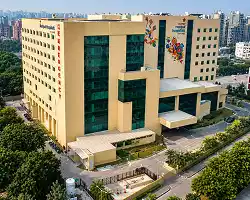
Dwarka - Delhi NCR
-

Gurugram - Delhi NCR
-
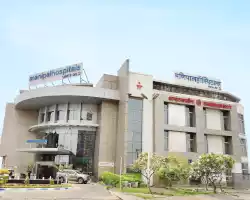
Ghaziabad - Delhi NCR
Didn’t find what you were looking for?
Get in touch with our representatives for help!
Request a CallbackSymptoms of Growth Hormone Deficiency
In children, symptoms include slow growth, delayed puberty, and excess body fat. Adults may experience fatigue, anxiety, poor focus, weight gain, muscle weakness, and low bone density. Symptoms progress gradually and vary based on the severity of hormone deficiency.
How We Diagnose Growth Hormone Deficiency
Diagnosis at Manipal Hospitals begins with a detailed growth evaluation and medical history review. In children, doctors assess growth charts, bone age X-rays, and perform growth hormone stimulation tests. In adults, IGF-1 blood tests and stimulation studies confirm deficiency. Specialists ensure accurate diagnosis and personalised care as part of the best growth hormone treatment in Delhi.
Treatment Options
Treatment for growth hormone deficiency in children and adults involves daily synthetic hormone injections under an endocrinologist’s supervision. Therapy typically continues for several years, with regular monitoring to maintain safe, effective hormone levels and support healthy growth and metabolism.
What to Expect
At Manipal Hospitals, the patient journey for growth hormone treatment in Delhi follows a structured and long-term care plan designed for both children and adults. Treatment involves the daily administration of synthetic growth hormone, with patients or parents trained to safely give injections at home. Regular follow-up consultations with endocrinologists are essential to monitor progress, assess hormone levels, and adjust dosages for optimal outcomes.
For children, this therapy encourages normal height gain, bone development, and overall physical growth. In adults, it helps restore energy levels, enhance metabolism, improve muscle tone, and increase bone density, leading to a more active and balanced lifestyle.
Endocrinologists at Manipal Hospitals collaborate closely with nutritionists and physiotherapists to ensure holistic care through proper diet, exercise, and lifestyle adjustments. Recognised for providing the best growth hormone treatment in Delhi, Manipal Hospitals delivers precise monitoring and advanced medical expertise. The team offers compassionate support to help patients achieve healthy growth, hormonal balance, and an improved quality of life.
Consult our Experts
FAQs
-
What are the most common signs of growth hormone deficiency in children versus adults?
-
Children: The primary sign is a slow growth rate (typically less than 2 inches per year) and a "younger-looking" or "doll-like" face.
-
Adults: Symptoms are more subtle, including increased body fat (especially around the waist), decreased muscle mass, low energy, and emotional changes like anxiety or depression.
-
-
What causes the pituitary gland to stop producing growth hormone?
-
Congenital: Some people are born with the condition due to genetic mutations or structural brain defects.
-
Acquired: It can develop later in life due to head trauma, brain surgery, radiation therapy for cancer, or tumours (like a pituitary adenoma).
-
Idiopathic: In many cases, particularly in children, the exact cause is unknown.
-
-
How is GHD diagnosed?
-
Diagnosis is rarely made with a single blood test because GH is released in pulses and is often undetectable in healthy people.
-
Doctors typically use GH stimulation tests, where a medication is given to trigger a hormone pulse, and blood is drawn over several hours to see if the gland responds adequately.
-
Other tools include X-rays to check "bone age" and MRIs to look for structural issues in the brain.
-
-
Does a child with GHD always need treatment into adulthood?
-
Not necessarily. Many children with "isolated" GHD naturally begin producing enough hormone as they transition into adulthood.
-
However, those with permanent damage (like from a tumour or surgery) or specific genetic mutations usually require lifelong therapy to maintain healthy bones and metabolism.
-
-
What does the treatment of GHD in Delhi involve?
-
The standard treatment is daily (or sometimes weekly) subcutaneous injections of synthetic growth hormone.
-
These injections are typically administered at home into fatty tissue, such as the stomach, thigh, or buttocks.
-



You’re on Our Indian Website
Visit the Global site for International patient services
'Click' to chat with us
