21.webp "Glaucoma Treatment in Delhi | Manipal Hospitals")

Glaucoma
Glaucoma
Manipal Hospitals provides advanced glaucoma treatment in Delhi, focusing on early detection, accurate diagnosis, and effective management of the condition. Glaucoma is an eye disease that damages the optic nerve, usually due to an increased pressure inside the eye. It may result from genetic factors, ageing, diabetes, eye injuries, inflammation, or prolonged steroid use. Early evaluation and treatment are crucial, as untreated glaucoma can lead to irreversible vision loss or blindness.
Our Locations
-
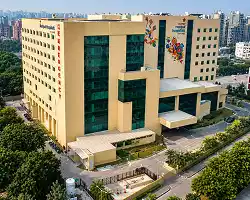
Dwarka - Delhi NCR
-

Gurugram - Delhi NCR
-
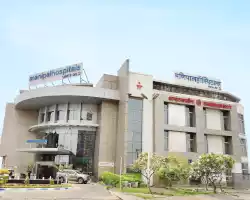
Ghaziabad - Delhi NCR
Didn’t find what you were looking for?
Get in touch with our representatives for help!
Request a CallbackSymptoms of Glaucoma
Symptoms of glaucoma may include blurred vision, eye pain, headaches, seeing rings around lights, and a gradual loss of side vision. In advanced cases, patients may experience tunnel-like vision or sudden, severe eye discomfort requiring immediate medical attention.
How We Diagnose Glaucoma
Ophthalmologists diagnose glaucoma through a series of modern eye examinations. These include measuring intraocular pressure (tonometry), examining the optic nerve (ophthalmoscopy), and performing visual field tests to detect vision loss. Optical coherence tomography (OCT) helps assess nerve damage in detail. Precise and timely diagnosis ensures that patients receive the best glaucoma treatment in Delhi, preventing permanent damage to vision.
Treatment Options
Treatment for glaucoma focuses on lowering eye pressure to prevent further nerve damage. Options include medicated eye drops, oral medications, laser therapy, and surgery. Specialists at Manipal Hospitals, Delhi, offer treatment tailored to each patient’s condition and disease severity.
What to Expect
Patients receiving glaucoma treatment in Delhi at Manipal Hospitals benefit from a comprehensive, patient-focused approach aimed at preserving sight and improving long-term eye health. The treatment begins with a detailed evaluation using high-tech imaging and pressure measurement techniques to assess disease stage and risk factors.
Based on the diagnosis, ophthalmologists design a customised treatment plan that may include medication, laser therapy, or surgery to control eye pressure and prevent vision loss. Regular monitoring is crucial, as glaucoma often progresses silently. The hospital’s state-of-the-art eye care facilities ensure precise interventions with minimal discomfort and faster recovery. Post-treatment, patients undergo routine follow-ups to monitor intraocular pressure, assess vision stability, and adjust medications as needed. Lifestyle guidance, including stress management and eye care practices, helps prevent further complications.
Renowned for delivering the best glaucoma treatment in Delhi, Manipal Hospitals combines advanced technology, clinical excellence, and personalised care. As a trusted destination for eye health, it helps patients maintain clear vision, prevent disease progression, and enjoy a better quality of life.
Consult our Experts
FAQs
-
Why is the optic nerve so important in glaucoma?
The optic nerve acts like an electric cable, carrying visual information from your eye to your brain. In glaucoma, high internal eye pressure (intraocular pressure) compresses and damages these nerve fibres. Once these fibres die, they cannot be regrown, leading to permanent vision loss.
-
What is the difference between Open-Angle and Angle-Closure glaucoma?
-
Open-Angle: The most common form. The drain (trabecular meshwork) becomes partially clogged over time, causing pressure to rise slowly and painlessly.
-
Angle-Closure: A medical emergency. The iris bulges forward and completely blocks the drainage angle. Pressure spikes suddenly, causing severe eye pain, nausea, and blurred vision.
-
-
Can I have glaucoma if my eye pressure is
Yes. This is called Normal-Tension Glaucoma. Some people have optic nerves that are highly sensitive or have poor blood flow, causing damage even when eye pressure readings fall within the "statistically normal" range.
-
Who is at the highest risk of developing it?
Risk factors include being over age 60, having a family history of glaucoma, having medical conditions like diabetes or high blood pressure, and being extremely nearsighted (myopic). Get your eyes tested every 5 to 10 years to detect it early and begin the glaucoma treatment in Delhi.
-
Is the vision loss from glaucoma reversible?
No. Vision lost to glaucoma cannot be recovered. This is why early detection through regular eye exams is critical. Treatment can only "freeze" the condition where it is to prevent further damage.



You’re on Our Indian Website
Visit the Global site for International patient services
'Click' to chat with us
