

GI Cancer
GI Cancer
Manipal Hospitals offer specialised care for gastrointestinal (GI) cancers and provide advanced gallbladder, pancreatic, and colon cancer treatments in Delhi. GI cancers develop in the digestive system, affecting organs such as the stomach, liver, pancreas, gallbladder, and intestines. They may result from genetic mutations, chronic infections, poor diet, or unhealthy lifestyle habits. Early detection and timely treatment are crucial for preventing complications, improving recovery, and enhancing quality of life.
Our Locations
-
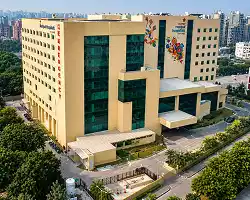
Dwarka - Delhi NCR
-

Gurugram - Delhi NCR
-
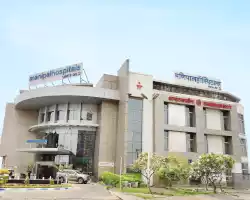
Ghaziabad - Delhi NCR
Didn’t find what you were looking for?
Get in touch with our representatives for help!
Request a CallbackSymptoms of GI Cancer
Symptoms of GI cancers vary by type but may include abdominal pain, bloating, unexplained weight loss, fatigue, nausea, vomiting, changes in bowel habits, and jaundice. Persistent digestive issues or unexplained discomfort should prompt immediate medical evaluation.
How We Diagnose GI Cancer
Doctors diagnose GI cancers through a combination of clinical evaluation, imaging, and laboratory testing. Techniques such as endoscopy, colonoscopy, CT and MRI scans, PET-CT imaging, and biopsy help confirm the type and stage of the tumour. Blood tests, including tumour markers, help identify specific cancers. A precise diagnosis ensures personalised treatment, enabling patients to receive expert gallbladder cancer treatment in Delhi.
Treatment Options
Treatment for GI cancers depends on the organ, stage, and overall health. Options include surgery, chemotherapy, radiation therapy, immunotherapy, and targeted therapy. Specialists may combine these treatments for lasting recovery, while follow-up care supports long-term health and well-being.
What to Expect
Patients receiving GI cancer treatment at Manipal Hospitals, Delhi, benefit from a structured, multidisciplinary approach. The experts combine precise diagnostics, customised therapy, and comprehensive care. Each treatment plan is tailored to the cancer’s stage, location, and the patient’s overall health. For GI cancers, including pancreatic, gallbladder, and colon cancer treatment in Delhi, doctors may recommend a combination of therapies. These treatments work together to eliminate cancer cells, prevent recurrence, and improve long-term outcomes.
The hospital’s modern surgical facilities enable minimally invasive and laparoscopic procedures, ensuring faster recovery and reduced discomfort. Specialists prioritise preserving organ function, minimising complications, and improving the patient's quality of life.
After treatment, patients receive regular monitoring, nutritional counselling, and rehabilitation support to manage side effects and maintain long-term wellness. The care team also provides emotional and psychological support throughout the recovery journey. With advanced technology, expert oncologists, and an integrated care model, Manipal Hospitals stands as a leading destination for GI cancer care and pancreatic cancer treatment in Delhi.
Consult our Experts
FAQs
-
What exactly is "GI Cancer"?
It is an umbrella term for any cancer occurring in the digestive system. This includes cancers of the oesophagus, stomach, biliary system, pancreas, small intestine, colon, rectum, and anus.
-
What are the most common early warning signs?
Symptoms depend on the location, but universal "red flags" include:
-
Unexplained weight loss and loss of appetite.
-
Persistent indigestion, bloating, or difficulty swallowing.
-
Changes in bowel habits (chronic diarrhoea or constipation).
-
Blood in the stool (which may look bright red or black and tarry).
-
Yellowing of the skin or eyes (jaundice).
-
-
Can lifestyle choices prevent GI cancers?
While not 100% preventable, you can significantly lower your risk by avoiding tobacco, limiting alcohol, maintaining a healthy weight, and eating a diet high in fibre (fruits, vegetables, and whole grains) while reducing processed and red meats.
-
Is stomach cancer common in India?
Yes, it is one of the leading causes of cancer deaths in India. High rates are often linked to H. pylori infections, a common bacterium that causes stomach ulcers, as well as diets high in salted, pickled, or smoked foods.
-
Why is pancreatic cancer considered so "silent"?
The pancreas is located deep in the abdomen, so tumours often grow without causing pain or visible lumps. Symptoms like back pain or jaundice usually appear only after the cancer has reached an advanced stage, making early detection difficult.
-
Is GI cancer hereditary?
Most cases occur randomly, but about 5% to 10% are linked to inherited genetic syndromes. For example, Lynch Syndrome significantly increases the risk of colorectal and stomach cancers, while certain mutations (like BRCA2) can increase pancreatic cancer risk.



You’re on Our Indian Website
Visit the Global site for International patient services
'Click' to chat with us
