41.webp "Gall Bladder Stone Treatment in Delhi | Manipal Hospitals")

Gallstones
Gallstones
Manipal Hospitals offers advanced gall bladder stone treatment in Delhi, including diagnosis and effective care to restore digestive health. Gallstones are hardened deposits of bile that form often due to excess cholesterol, bile imbalance, or poor gallbladder movement. While small stones may not cause symptoms, larger ones can block bile ducts and lead to severe pain and complications. Timely treatment helps prevent these risks and ensures long-term well-being.
Our Locations
-
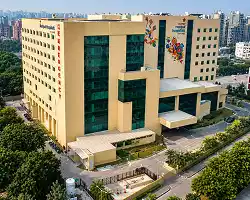
Dwarka - Delhi NCR
-

Gurugram - Delhi NCR
-
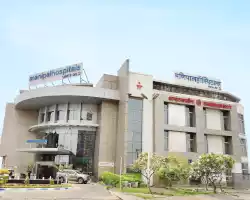
Ghaziabad - Delhi NCR
Didn’t find what you were looking for?
Get in touch with our representatives for help!
Request a CallbackSymptoms of Gallstones
Gallstones may cause sudden, intense pain in the upper right abdomen or back, often after meals. Other symptoms include bloating, nausea, vomiting, and indigestion. Jaundice or fever may occur if the bile duct becomes obstructed, requiring prompt medical attention.
How We Diagnose Gallstones
Diagnosis typically begins with a detailed clinical assessment and physical examination. Imaging techniques such as ultrasound, CT scan, or MRI are used to detect the size, number, and location of gallstones. Blood tests may help identify infection or bile obstruction. Based on these results, specialists at Manipal Hospitals, Delhi, create a personalised plan for accurate gall bladder stone treatment.
Treatment Options
Treatment depends on the size and symptoms of the stones. Small, asymptomatic stones may be managed through observation, dietary changes, and medication to dissolve cholesterol stones. Symptomatic or recurring cases may need gallbladder removal (cholecystectomy) for long-term relief and to prevent complications.
What to Expect
Patients seeking gall bladder stone treatment in Delhi at Manipal Hospitals can expect a structured and patient-centred care journey. The process begins with thorough imaging and laboratory evaluations to determine the most suitable approach.
Depending on the stone’s size, number, and symptoms, patients may be advised to undergo dietary modifications and medications to dissolve cholesterol-based stones. In some cases, minimally invasive procedures may be recommended if symptoms persist or complications develop. Every treatment plan is tailored to ensure optimal safety and comfort.
For those requiring surgery, laparoscopic cholecystectomy is performed using small incisions, enabling faster healing and minimal discomfort. Patients are closely monitored post-procedure, with most resuming normal activities within a week. Mild abdominal tenderness or bloating may occur but typically resolves with proper rest and care. Diet and lifestyle changes, along with regular follow-up visits, help track recovery and ensure long-term digestive wellness.
Manipal Hospitals, Delhi, combines surgical expertise with advanced technology to deliver high-quality gallstone treatment in Delhi. Compassionate care, precise monitoring, and personalised recovery plans ensure patients regain digestive comfort and return to normal life with confidence.
Consult our Experts
FAQs
-
What are the main types of gallstones?
There are two primary types based on their composition:
-
Cholesterol gallstones: The most common type (roughly 75–80%), these are usually yellow-green and form when bile contains too much undissolved cholesterol.
-
Pigment gallstones: These dark brown or black stones form when bile contains excessive bilirubin, often associated with liver cirrhosis or certain blood disorders.
-
-
What does a "gallbladder attack" feel like?
A gallbladder attack (biliary colic) typically occurs when a stone blocks a duct, causing:
-
Sudden, intense pain in the upper right or center of the abdomen.
-
Referred pain that radiates to the right shoulder or between the shoulder blades.
-
Nausea and vomiting, often triggered by eating a heavy or fatty meal.
-
Pain that can last from several minutes to a few hours.
-
-
Who is most at risk for developing gallstones?
Risk factors are often summarised by the "4 Fs" (Female, Forty, Fat, Fertile), but broader factors include the following:
-
Gender and Age: Women are significantly more likely to develop them, especially those over 40.
-
Weight Fluctuations: Both obesity and rapid weight loss (such as after weight-loss surgery) increase risk.
-
Hormones: Pregnancy, birth control pills, or hormone replacement therapy can increase cholesterol levels in bile.
-
Medical Conditions: Having diabetes, liver disease, or Crohn's disease.
-
-
Can gallstones be dissolved without surgery, and is such gallstone treatment effective?
In specific cases, yes, but it is rarely a permanent fix.
-
Medications: Medicines can dissolve small cholesterol stones, but the process may take months or years, and stones often return once treatment stops.
-
Lithotripsy: Shock wave therapy can break up stones, but it is seldom used today due to high recurrence rates.
-
-
Do all gallstones require immediate treatment?
No. "Silent gallstones" that do not cause symptoms typically do not require medical intervention. Treatment is generally only recommended if you experience pain or if the stones lead to complications like inflammation (cholecystitis).



You’re on Our Indian Website
Visit the Global site for International patient services
'Click' to chat with us
