21.webp "Fat Freezing Treatment in Delhi | Manipal Hospitals")

Excess fat deposits
Excess fat deposits
Manipal Hospitals offers advanced fat freezing treatment in Delhi to manage excess fat deposits that persist despite diet and exercise. These deposits typically develop in areas such as the abdomen, thighs, or arms due to genetics, hormonal imbalance, or a sedentary lifestyle. The procedure uses cryolipolysis, a controlled cooling technique that safely breaks down fat cells without harming the skin, helping achieve a more toned and contoured appearance.
Our Locations
-
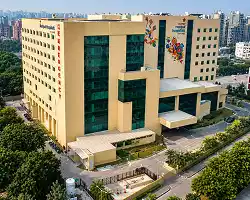
Dwarka - Delhi NCR
-

Gurugram - Delhi NCR
-
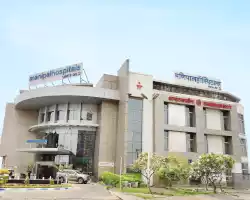
Ghaziabad - Delhi NCR
Didn’t find what you were looking for?
Get in touch with our representatives for help!
Request a CallbackSymptoms of Excess fat deposits
Excess fat deposits appear as visible bulges in areas such as the abdomen, thighs and flanks. These fat layers often persist despite regular exercise and a healthy diet, making them difficult to reduce through lifestyle changes alone.
How We Diagnose Excess fat deposits
Specialists at Manipal Hospitals, Delhi, diagnose excess fat deposits through a detailed physical examination and assessment of overall body composition. They evaluate the location and volume of fat beneath the skin and discuss the patient’s aesthetic goals, medical history, and expectations. Based on these findings, doctors create a personalised treatment plan to achieve safe and effective results.
Treatment Options
Manipal Hospitals offers specialised fat reduction solutions, including cryolipolysis, liposuction, and heat-based laser therapies. Specialists assess each case to recommend the most appropriate fat loss treatment in Delhi, tailored to the patient’s body type and cosmetic goals.
What to Expect
Patients undergoing fat freezing treatment in Delhi for excess fat deposits at Manipal Hospitals receive safe, precise, and effective care. The procedure is non-invasive and performed on an outpatient basis, requiring no anaesthesia. During the session, an applicator delivers controlled cooling to the targeted area for 35–75 minutes, freezing fat cells while keeping surrounding tissues unharmed. Patients may feel a cold sensation initially, followed by numbness that fades soon after treatment.
After the procedure, patients can resume their usual activities immediately, as no recovery time is needed. Mild redness, swelling, or temporary numbness may occur but typically resolves within a few weeks. Over the following weeks, the body naturally eliminates the treated fat cells. Noticeable contour improvements begin within six weeks, with optimal results visible in about three months.
Manipal Hospitals is also recognised for providing advanced CoolSculpting treatment in Delhi. Specialists guide patients on maintaining results through balanced nutrition, regular exercise, and a healthy lifestyle. The hospital’s multidisciplinary care approach ensures safe, long-lasting fat reduction and improved body confidence.
Consult our Experts
FAQs
-
Can you "spot reduce" fat in specific areas?
No. This is a common myth. While exercises like crunches strengthen the underlying muscle, your body decides where it pulls fat from for energy based on genetics and hormones, not which muscle you are moving.
-
What is the difference between subcutaneous and visceral fat?
Subcutaneous fat is the soft fat you can pinch just under your skin. Visceral fat is hidden deep in the abdomen, wrapping around your internal organs. Visceral fat is more dangerous because it is metabolically active and linked to heart disease and type 2 diabetes.
-
Why do I store fat mostly in my belly (or hips)?
Fat distribution is largely determined by genetics and sex hormones. Men and post-menopausal women tend to store more visceral fat in the abdomen (apple shape), while pre-menopausal women often store subcutaneous fat in the hips and thighs (pear shape). High cortisol (stress hormone) is also linked to increased belly fat.
-
Are fat cells actually destroyed when I lose weight?
Usually, no. When you lose weight, your fat cells simply shrink in size, but the number of cells remains relatively constant. They stay in your body, ready to expand again if you consume excess calories. Only procedures like liposuction or cryolipolysis physically remove or destroy the cells.
-
Can you have excess fat even if your weight is "normal"?
Yes. This is often called being "skinny fat" (normal-weight obesity). It occurs when a person has low muscle mass and a high percentage of body fat, particularly visceral fat. It carries many of the same health risks as being overweight.
-
Do certain foods specifically "burn" belly fat?
No single food (like lemon water or apple cider vinegar) can melt fat away. However, diets high in protein and fibre can help you feel full longer and improve metabolic health, making it easier for your body to tap into stored fat for energy.
-
When should I consider medical intervention for fat deposits?
If lifestyle changes aren't working and your Waist-to-Hip ratio or BMI indicates high health risks, it's worth seeing a doctor. They can check for underlying issues like thyroid dysfunction, PCOS, or hormonal imbalances that might be hindering fat loss.



You’re on Our Indian Website
Visit the Global site for International patient services
'Click' to chat with us
