

Enlarged Prostate
Enlarged Prostate
Manipal Hospitals is regarded as one of the best hospitals for prostate treatment in Delhi, offering specialised care for enlarged prostate, or benign prostatic hyperplasia. This non-cancerous condition occurs when the prostate gland increases in size, commonly affecting ageing men. The enlargement can compress the urethra, leading to urinary problems such as weak flow or frequent urination. Early evaluation and timely management help prevent complications and improve urinary function.
Our Locations
-
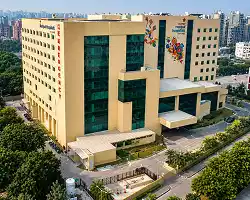
Dwarka - Delhi NCR
-
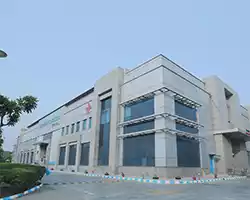
Gurugram - Delhi NCR
-
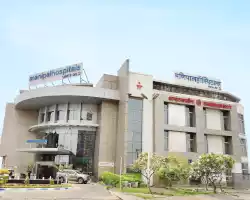
Ghaziabad - Delhi NCR
Didn’t find what you were looking for?
Get in touch with our representatives for help!
Request a CallbackSymptoms of Enlarged Prostate
Symptoms of an enlarged prostate include a weak urine stream, difficulty starting urination, and frequent or urgent urges to urinate. Patients may also experience interrupted sleep due to nighttime urination and a feeling of incomplete bladder emptying.
How We Diagnose Enlarged Prostate
Diagnosis at Manipal Hospitals, Delhi, begins with a detailed medical history, symptom evaluation, and a digital rectal examination to assess prostate size and texture. Doctors may perform urine flow tests or bladder scans to measure residual urine. As part of comprehensive prostate treatment in Delhi, these assessments help determine the severity of obstruction and guide appropriate management.
Treatment Options
Treatment options depend on symptom severity and patient preference. Mild cases are monitored with regular follow-ups, while moderate cases are managed with medications to relax prostate muscles or reduce gland size. Severe cases may need minimally invasive or surgical interventions.
What to Expect
The patient journey at the best hospital for prostate treatment in Delhi begins with a thorough urology consultation and diagnostic evaluation. For mild symptoms, specialists recommend lifestyle modifications and periodic monitoring. Moderate symptoms are managed with medications that ease urination, relax prostate muscles, or shrink the gland.
Manipal Hospitals offers the latest, minimally invasive options, such as the UroLift system, which uses small implants to lift and hold enlarged prostate tissue away from the urethra. For significant enlargement, laser procedures or transurethral resection of the prostate (TURP) provide effective and lasting relief.
A multidisciplinary team, including urologists and anaesthesiologists, collaborates to determine the most suitable treatment plan for each patient. With advanced prostate treatment in Delhi, Manipal Hospitals ensures improved urine flow, reduced symptoms, and faster recovery. Post-procedure, specialists monitor healing closely and provide guidance on hydration, activity, and follow-up care. This approach ensures a smooth recovery and an improved quality of life.
Consult our Experts
FAQs
-
What are the most common signs of an enlarged prostate?
The most frequent symptoms involve changes in urination, such as a weak or interrupted stream, difficulty starting to urinate, and a frequent or urgent need to go especially multiple times throughout the night (nocturia). You might also feel like your bladder isn't completely empty after you finish.
-
Does an enlarged prostate lead to prostate cancer?
No. BPH is a non-cancerous growth of the prostate gland. Having an enlarged prostate does not increase your risk of developing prostate cancer, though the two conditions can exist at the same time and often share similar urinary symptoms.
-
Why does the prostate grow as men get older?
The exact cause isn't fully understood, but it is believed to be linked to hormonal changes that occur naturally with ageing, particularly changes in testosterone and estrogen levels. It is so common that about half of all men between the ages of 51 and 60 have BPH.
-
Can lifestyle changes help manage the symptoms?
Yes. Many men find relief by limiting fluids in the evening, avoiding caffeine and alcohol (which irritate the bladder), and double-voiding (waiting a few moments after urinating to try again). Regular exercise and maintaining a healthy weight can also reduce symptom severity.
-
What medical treatments are available?
Treatment ranges from "watchful waiting" for mild cases to medications like:
-
Alpha-blockers: These relax the muscles in the prostate and bladder neck to make urination easier.
-
5-alpha reductase inhibitors, which can actually help shrink the size of the prostate over time.
-
-
When is surgery necessary?
Surgery is usually considered only if symptoms are severe, medications haven't worked, or if the BPH is causing complications like bladder stones, kidney damage, or frequent urinary tract infections. Procedures like TURP (Transurethral Resection of the Prostate) are common and highly effective.
-
Are there any "hidden" triggers that make symptoms worse?
Yes. Certain over-the-counter medications, such as antihistamines and decongestants, can tighten the muscles at the base of the bladder, making it much harder to urinate if you already have an enlarged prostate.



You’re on Our Indian Website
Visit the Global site for International patient services
'Click' to chat with us
