.webp "Endometriosis Treatment in Delhi | Manipal Hospitals")

Endometriosis
Endometriosis
Manipal Hospitals provides advanced endometriosis treatment in Delhi, focusing on precise diagnosis, effective management, and compassionate care. Endometriosis occurs when tissue similar to the uterine lining grows outside the uterus, leading to inflammation, pain, and fertility issues. Common sites include the ovaries, fallopian tubes, and pelvic lining. Early diagnosis and timely treatment are essential to control symptoms, prevent complications, and improve quality of life.
Treatments Available at
-
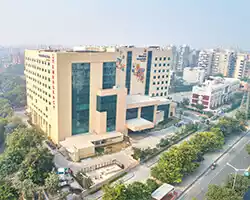
Dwarka - Delhi NCR
Didn’t find what you were looking for?
Get in touch with our representatives for help!
Request a CallbackSymptoms of Endometriosis
Endometriosis symptoms often include pelvic pain, painful menstrual periods, pain during intercourse, and heavy bleeding. Some women may also experience fatigue, bloating, or digestive issues. The severity of pain does not always reflect the extent of the condition, making expert evaluation crucial.
How We Diagnose Endometriosis
Diagnosis for endometriosis begins with a detailed clinical assessment, including symptom review and pelvic examination. Imaging techniques such as transvaginal ultrasound or MRI help identify abnormal endometrial tissue growth. In some cases, laparoscopy is performed for a definitive diagnosis and to assess disease extent. The findings help doctors plan appropriate and individualised treatment for each patient.
Treatment Options
Treatment is based on symptom severity and reproductive goals. Options include medications to manage pain and correct hormonal imbalance, along with recommended lifestyle adjustments. In more advanced cases, minimally invasive surgery may be performed to remove endometrial tissue when required.
What to Expect
Patients seeking endometriosis treatment in Delhi at Manipal Hospitals receive comprehensive, multidisciplinary care aimed at pain relief and long-term wellness. The treatment journey begins with a detailed consultation and diagnostic imaging to determine the condition’s extent. Mild cases may be managed with pain-relieving medications, hormone therapy, and lifestyle changes to reduce inflammation and improve daily comfort.
For moderate to severe symptoms, laparoscopic surgery may be recommended to remove or ablate the endometrial tissue, preserving reproductive organs whenever possible. Recovery after minimally invasive procedures is generally quick, with most patients returning to routine activities within a few days. Ongoing follow-up appointments help monitor symptom control and adjust therapy based on the patient’s response.
At Manipal Hospitals, specialists combine clinical expertise with advanced diagnostic and surgical techniques to provide the best endometriosis treatment in Delhi. The hospital’s holistic approach focuses on managing pain, restoring hormonal balance, and supporting fertility. They ensure every patient receives personalised care for a better quality of life.
Consult our Experts
FAQs
-
Is endometriosis just "really bad period cramps"?
No. While severe pain during menstruation is a hallmark symptom, endometriosis is a chronic medical condition. Unlike normal cramps, the pain often interferes with daily life, doesn't respond well to over-the-counter painkillers, and can occur at any time during the month, not just during a period.
-
What are the most common symptoms?
Symptoms vary widely but often include:
-
Painful periods (dysmenorrhea) and pelvic pain.
-
Pain during or after sex (dyspareunia).
-
Pain with bowel movements or urination, especially during menstruation.
-
Heavy bleeding or bleeding between periods.
-
Infertility or difficulty getting pregnant.
-
Chronic fatigue and bloating (often called "endo belly").
-
-
Does endometriosis always cause infertility?
Not necessarily. While about 30% to 50% of women with endometriosis experience difficulty conceiving, many go on to have healthy pregnancies. The condition can affect fertility by causing blockages in the fallopian tubes or by creating inflammation that affects egg quality or embryo implantation.
-
How is it officially diagnosed?
A doctor may suspect endometriosis based on symptoms or a pelvic exam, but the only way to definitively diagnose it is through laparoscopy. This is a minor surgical procedure where a camera is inserted into the abdomen to look for and biopsy endometrial-like tissue. Ultrasounds and MRIs can sometimes see large cysts (endometriomas), but they often miss smaller lesions.
-
Does a hysterectomy cure endometriosis?
Not always. Because the tissue grows outside the uterus, removing the uterus (and even the ovaries) does not guarantee the pain will stop. If endometriosis lesions are left behind on the bowel, bladder, or pelvic wall, symptoms can persist. Surgery to specifically excise (cut out) the lesions is usually more effective for pain relief than just removing the reproductive organs.



You’re on Our Indian Website
Visit the Global site for International patient services
'Click' to chat with us
