111.webp "Best Diabetes Hospital in Delhi | Manipal Hospitals")

Diabetes
Diabetes
Manipal Hospitals, recognised as one of the best diabetes hospitals in Delhi, provides advanced care to manage and prevent diabetes. The condition occurs when the body is unable to regulate blood sugar levels due to either low insulin production or resistance. Common causes include genetic factors, obesity, sedentary lifestyle, poor diet, and hormonal imbalances. Early diagnosis and proper management help maintain stable glucose levels and reduce long-term health issues.
Our Locations
-
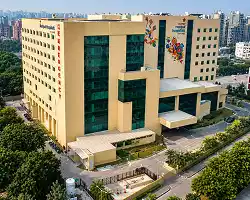
Dwarka - Delhi NCR
-

Gurugram - Delhi NCR
-
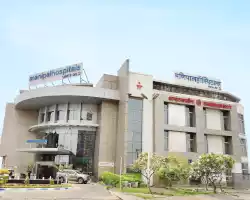
Ghaziabad - Delhi NCR
Didn’t find what you were looking for?
Get in touch with our representatives for help!
Request a CallbackSymptoms of Diabetes
Common symptoms of diabetes include:
-
Frequent urination,
-
Excessive thirst,
-
Fatigue,
-
Blurred vision,
-
Slow-healing wounds,
-
And unexplained weight changes.
In some cases, patients may also experience numbness in the hands or feet, increased hunger, and recurrent infections.
How We Diagnose Diabetes
Doctors diagnose diabetes through a series of blood tests that measure glucose levels and insulin function. Tests such as fasting blood sugar, HbA1c, and oral glucose tolerance tests help determine blood sugar control and the type of disease. Continuous monitoring and timely evaluation ensure accurate diagnosis, enabling doctors to provide effective and personalised diabetes treatment in Delhi at Manipal Hospitals.
Treatment Options
Treatment for diabetes focuses on maintaining stable blood sugar levels and preventing health risks. It includes lifestyle changes, diet counselling, exercise, medications or insulin therapy. Specialists customise treatment based on the type and severity of diabetes for effective glucose control.
What to Expect
As one of the best diabetes hospitals in Delhi, Manipal Hospitals offers a comprehensive and multidisciplinary approach to diabetes care. The treatment journey begins with a detailed blood sugar evaluation, a nutritional assessment, and a lifestyle analysis to create a personalised management plan. Endocrinologists, dietitians, and diabetes educators collaborate to ensure patients receive holistic support for effective long-term control.
Treatment may include oral medications, insulin therapy, or continuous glucose monitoring to maintain stable sugar levels. Patients are guided on proper diet planning, portion control, and physical activity suited to their condition. For those with complications such as neuropathy, retinopathy, or kidney involvement, specialists from the relevant departments collaborate to provide integrated and timely care.
Regular follow-ups help track progress, adjust medications as needed and reinforce healthy habits. Preventive screenings and counselling sessions empower patients to manage their condition confidently. With modern facilities and patient-focused care, Manipal Hospitals offers trusted diabetes treatment in Delhi, enabling individuals to live a better quality of life.
Consult our Experts
FAQs
-
What is the difference between Type 1 and Type 2 diabetes?
In Type 1, the body’s immune system attacks and destroys the cells that make insulin, so the body makes none at all. In Type 2 (the most common form), the body doesn’t use insulin well (insulin resistance) or doesn't make enough of it.
-
Can you "get" diabetes from eating too much sugar?
It’s not that simple. Eating sugar doesn't directly cause Type 1. For Type 2, a high-sugar diet can lead to weight gain, which is a major risk factor, but genetics and lifestyle also play massive roles.
-
What are the "silent" symptoms I should watch for?
Many people have Type 2 for years without knowing. Common signs include excessive thirst, frequent urination (especially at night), unexplained weight loss, blurry vision, and sores that are very slow to heal.
-
Is Type 2 diabetes reversible?
While there is no permanent "cure," many people can achieve remission. Through significant weight loss, a healthy diet, and exercise, blood sugar levels can return to a normal range without the need for medication.
-
What is "Prediabetes"?
This means your blood sugar levels are higher than normal but not yet high enough to be diagnosed as Type 2. It is a critical warning sign; making lifestyle changes at this stage can often prevent or delay the onset of full diabetes.
-
How does diabetes affect the rest of the body?
Over time, high blood sugar can damage blood vessels and nerves. This leads to complications like heart disease, kidney damage, vision loss, and nerve damage (neuropathy) that can lead to foot problems or even amputations.
-
Do I have to give up all carbs and sweets?
No. Managing diabetes is about balance and portions, not total deprivation. Focus on "complex" carbs (like whole grains and veggies) that digest slowly, and save sugary treats for occasional, small portions.



You’re on Our Indian Website
Visit the Global site for International patient services
'Click' to chat with us
