

Depression
Depression
Manipal Hospitals provides specialised depression treatment in Delhi, focusing on early diagnosis, personalised therapy, and holistic emotional support. Depression is a common mental health condition marked by persistent sadness, loss of interest, and fatigue that interfere with daily functioning. It can arise from genetic, biological, psychological, or environmental factors. Early recognition and timely care are crucial to improving mood, restoring balance, and enhancing overall well-being.
Our Locations
-
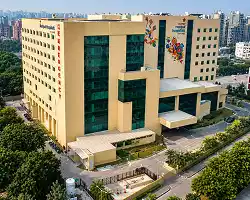
Dwarka - Delhi NCR
-

Gurugram - Delhi NCR
-
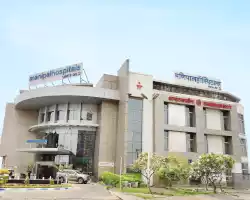
Ghaziabad - Delhi NCR
Didn’t find what you were looking for?
Get in touch with our representatives for help!
Request a CallbackSymptoms of Depression
Symptoms may include constant sadness, hopelessness, low energy, or loss of interest in routine activities. Changes in appetite or sleep patterns, difficulty concentrating, and thoughts of self-harm can also occur. The intensity and duration of symptoms vary for each individual.
How We Diagnose Depression
Diagnosis involves a comprehensive clinical evaluation, including assessment of mood patterns, behavioural changes, and life stressors. Specialists may use psychological screening tools and structured interviews to determine the type and severity of depression. Collaboration among psychiatrists, psychologists, and counsellors helps provide an accurate diagnosis and guide appropriate therapy at a trusted depression treatment centre in Delhi.
Treatment Options
Treatment depends on symptom severity and individual needs. It may include psychotherapy and medications such as antidepressants. Supportive therapies like relaxation training and lifestyle modification further help manage emotional health.
What to Expect
Patients undergoing depression treatment in Delhi at Manipal Hospitals can expect a compassionate, structured, and multidisciplinary approach to recovery. The care journey begins with a detailed psychological assessment and personalised treatment planning. Depending on the condition’s severity, patients may receive a combination of counselling and cognitive behavioural therapy (CBT). Medication may also be prescribed to stabilise mood and reduce symptoms. Regular therapy sessions provide emotional support and help patients develop coping strategies for daily challenges.
During recovery, emphasis is placed on healthy routines, balanced nutrition, and adequate sleep to promote mental resilience. Patients are encouraged to participate in mindfulness practices and physical activities that enhance overall well-being. Family education and involvement also play an important role in maintaining long-term progress.
At Manipal Hospitals, an expert team at the depression treatment centre in Delhi ensures every patient receives attentive and ongoing care. By integrating psychotherapy, medication, and lifestyle support, the hospital offers comprehensive management tailored to each individual’s needs. This approach helps patients regain confidence, emotional stability, and a better quality of life.
Consult our Experts
FAQs
-
Is depression the same as being sad?
No. While sadness is a normal human emotion triggered by specific events, clinical depression (major depressive disorder) is a medical condition. It involves a persistent feeling of sadness or a "flat" mood that lasts for at least two weeks and interferes with daily functioning.
-
What are the most common symptoms?
Symptoms vary but often include the following:
-
Loss of interest in hobbies or activities once enjoyed.
-
Changes in appetite (weight loss or gain).
-
Sleep disturbances (insomnia or sleeping too much).
-
Fatigue or loss of energy nearly every day.
-
Feelings of worthlessness or excessive guilt.
-
Difficulty concentrating or making decisions.
-
-
What causes depression?
It’s rarely caused by just one thing. It usually results from a combination of:
-
Biological Chemistry: Imbalances in neurotransmitters like serotonin.
-
Genetics: A family history of mood disorders.
-
Environment: Exposure to violence, neglect, abuse, or poverty.
-
Personality: People with low self-esteem or who are easily overwhelmed by stress.
-
-
Can depression be "cured"?
While doctors often use the term "remission" rather than "cure", depression is highly treatable. Most people see a significant improvement in symptoms with the right combination of therapy, medication, or lifestyle changes.
-
How is depression diagnosed?
There is no blood test for depression. A healthcare professional or mental health expert performs a diagnostic evaluation, which includes an interview and often a standardised questionnaire to assess the severity and duration of symptoms.



You’re on Our Indian Website
Visit the Global site for International patient services
'Click' to chat with us
