

Complex Pelvic Mass
Complex Pelvic Mass
Manipal Hospitals offers advanced care for complex pelvic masses, providing expert diagnosis and ovarian cyst treatment in Delhi. A complex pelvic mass may contain both solid and fluid-filled components, often arising from the ovaries, uterus, or nearby tissues. It may develop due to ovarian cysts, endometriosis, fibroids, infections, or, in rare cases, malignancy. Early diagnosis and appropriate treatment ensure symptom relief, prevent complications, and support reproductive health.
Our Locations
-
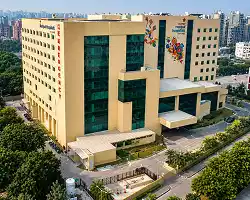
Dwarka - Delhi NCR
-

Gurugram - Delhi NCR
-
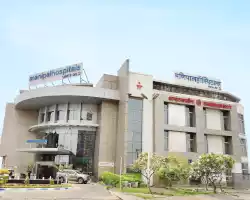
Ghaziabad - Delhi NCR
Didn’t find what you were looking for?
Get in touch with our representatives for help!
Request a CallbackSymptoms of Complex Pelvic Mass
Most complex pelvic masses cause no early symptoms and are often found during routine exams. When present, symptoms may include pelvic pain, bloating, fullness, or urinary and bowel changes. Sudden severe pain can indicate rupture or torsion and needs urgent care.
How We Diagnose Complex Pelvic Mass
Diagnosis of a complex pelvic mass begins with a detailed medical history and pelvic examination. A pelvic ultrasound helps assess the mass’s size, structure, and location. Additional investigations, such as MRI scans and blood tests like CA-125, help distinguish benign from malignant growths. This comprehensive diagnostic process ensures accurate evaluation and guides appropriate, safe treatment planning.
Treatment Options
Treatment for complex pelvic masses depends on their size, type, and underlying cause. Small, benign masses may only need monitoring, while persistent or symptomatic ones require medication or surgery. Minimally invasive laparoscopic procedures ensure accurate removal, faster recovery, and reduced complications.
What to Expect
The patient journey for a complex pelvic mass may include ovarian cyst treatment in Delhi if the mass is identified as a complex ovarian cyst. It begins with a thorough evaluation and detailed imaging studies. When the mass is small and shows no concerning features, doctors often recommend regular monitoring with ultrasound scans.
For larger, symptomatic, or suspicious masses, surgical removal may be necessary. The preferred technique is laparoscopy, a minimally invasive approach that allows precise excision while preserving healthy reproductive tissue. In rare cases, a laparotomy (open surgery) may be performed to safely remove more complex or extensive masses.
Recovery from laparoscopy is typically quick, with patients resuming normal activities within a few days. Specialists provide detailed post-operative care instructions, including follow-up visits and recovery guidance. With cutting-edge surgical techniques, expert evaluation, and personalised support, Manipal Hospitals ensures safe recovery and long-term wellness. The hospital is also recognised for offering advanced surgery for ovarian cysts in Delhi NCR, ensuring effective outcomes and preservation of reproductive health.
Consult our Experts
FAQs
-
Does "complex" mean it is definitely cancer?
No. While the term "complex" sounds concerning, it is a descriptive term used by radiologists to describe the structure of the mass, not a diagnosis of malignancy. Many complex masses are benign (non-cancerous), such as endometriomas (chocolate cysts), dermoid cysts, or fibroids. However, because they have solid parts, they require more careful evaluation than simple cysts.
-
What are the most common symptoms?
Many people have no symptoms at all, and the mass is found during a routine exam. When symptoms do occur, they may include:
-
Pelvic pain or a constant "heavy" feeling in the lower abdomen.
-
Bloating or visible swelling.
-
Urinary frequency (feeling like you have to go all the time) if the mass presses on the bladder.
-
Pain during intercourse.
-
Changes in bowel habits or back pain.
-
-
How is a complex pelvic mass diagnosed?
The diagnostic process usually involves several steps:
-
Pelvic Ultrasound: Often the first tool used to see the size and "complexity" (solid vs. fluid).
-
MRI or CT Scan: Provides a more detailed "map" of the blood supply and exact tissue type.
-
Blood Tests: Which looks for certain proteins that can be elevated in cancer (though these can also rise due to inflammation or endometriosis).
-
-
What causes these masses to form?
The causes vary depending on where the mass is located:
-
Ovarian: Endometriosis, dermoid cysts (which can contain hair or skin tissue), or ovarian tumours.
-
Uterine: Large or degenerating fibroids.
-
Fallopian Tubes: Infections like Pelvic Inflammatory Disease (PID) that cause a "tubo-ovarian abscess."
-
Non-Gynaecological: Issues with the bowel or bladder that appear in the pelvic cavity.
-
-
Can a complex mass go away on its own?
Unlike simple "functional" cysts that often shrink after a menstrual cycle, complex masses are less likely to disappear without intervention. While a haemorrhagic (bloody) cyst might resolve over time, most solid-component masses will either stay the same size or grow, necessitating a follow-up plan.



You’re on Our Indian Website
Visit the Global site for International patient services
'Click' to chat with us
