11.webp "Colon Cancer Treatment in Delhi | Manipal Hospitals")

Colorectal Cancer
Colorectal Cancer
Manipal Hospitals provides advanced colon cancer treatment in Delhi. Colorectal cancer, also known as bowel cancer, affects the colon and rectum. It is one of the most prevalent cancers worldwide. The condition causes symptoms including changes in bowel habits, blood in stool, and abdominal pain. Although it is a serious health concern, early detection of colorectal cancer through screening improves treatment outcomes.
Our Locations
-
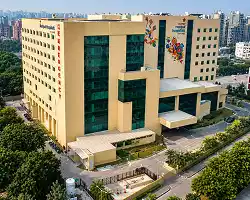
Dwarka - Delhi NCR
-

Gurugram - Delhi NCR
-
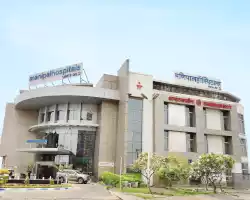
Ghaziabad - Delhi NCR
Didn’t find what you were looking for?
Get in touch with our representatives for help!
Request a CallbackSymptoms of Colorectal Cancer
Common symptoms of colorectal cancer are changes in bowel habits, blood in the stool, abdominal pain, unexplained weight loss, and fatigue. Most individuals with colorectal cancer may not have symptoms during the early stage of the disease.
How We Diagnose Colorectal Cancer
Diagnosis starts with a detailed medical history, physical examination, and symptom assessment. Screening tests like colonoscopy or sigmoidoscopy detect polyps or abnormal growths. If found, a biopsy confirms cancer. Additional tests, including CT, MRI, PET scans, and blood tests (CEA levels), help stage the disease and plan treatment. The best hospital for colon cancer in Delhi ensures accurate, personalised care.
Treatment Options
Treatments for colorectal cancer are based on the type and progression of the cancer. They include surgery, chemotherapy, radiation therapy, and targeted therapies. Early detection of colorectal cancer can lead to better treatments and outcomes.
What to Expect
Patients undergoing colon cancer treatment in Delhi receive integrated, patient-centred care throughout their treatment journey. The process begins with a detailed evaluation to determine cancer stage and overall fitness for treatment. Early-stage cancers may be treated surgically, often through minimally invasive or robotic techniques, ensuring faster recovery and minimal complications.
In advanced stages, chemotherapy or targeted therapy may be used before or after surgery to reduce tumour size and prevent recurrence. Radiation therapy is offered in selected cases to improve local control. Patients also receive comprehensive support from nutritionists, physiotherapists, and oncology nurses to manage side effects and maintain strength during treatment.
Post-treatment follow-up includes regular colonoscopies, imaging, and blood tests to monitor recovery and detect recurrence early. Emotional and psychological counselling is available to help patients and families cope with the challenges of cancer care.
Recognised as the best hospital for colon cancer in Delhi, Manipal Hospitals combines cutting-edge technology, expert oncologists, and compassionate care to deliver optimal outcomes. The focus remains on restoring health, improving quality of life, and supporting patients in every stage of their recovery journey.
Consult our Experts
FAQs
-
Is colorectal cancer common, and who is at risk?
While traditionally more prevalent in Western countries, its incidence is rising in India, now ranking among the top five cancers in several metro cities. A worrying trend is the rise in young adults (under 50), who now account for nearly 20% of new cases. Major risk factors include a sedentary lifestyle, obesity, and a shift towards "Westernised" diets.
-
How do Indian dietary habits influence the risk?
Traditional high-fibre Indian diets (rich in vegetables and whole grains) are naturally protective. However, the increased consumption of processed foods, red meats (like mutton or beef), and fried/oily foods has significantly boosted risk levels. Interestingly, some Indian studies also suggest a link between high consumption of pungent spices and pickled foods and increased risk in certain regions.
-
Why is colorectal cancer often misdiagnosed as "Piles" (Hemorrhoids)?
The most common symptom, rectal bleeding, is frequently dismissed by patients as simple "piles" or fissures, leading to self-medication and dangerous delays in diagnosis. Because symptoms like persistent constipation or abdominal pain are common digestive complaints, many people wait until the disease is at an advanced stage before seeking specialist help.
-
At what age should one start screening?
While international guidelines often suggest age 45, many Indian experts recommend starting regular screening at age 40 due to the higher incidence of early-onset cancer in the country. Screening typically involves a Colonoscopy (the "gold standard" for detecting and removing precancerous polyps) every 10 years, or annual non-invasive stool tests (FIT/FOBT) to check for hidden blood.
-
How do "Bidis" and smokeless tobacco (Gutka) affect colon health?
While usually linked to oral or lung cancer, tobacco use in India—including bidis and Gutka—significantly increases colorectal cancer risk. Carcinogens from these products enter the bloodstream and damage the DNA of the colon lining. In some Indian case-control studies, the risk of developing colorectal cancer was found to be nearly 2.7 to 8.7 times higher for tobacco users compared to non-users.



You’re on Our Indian Website
Visit the Global site for International patient services
'Click' to chat with us
