

Chronic Kidney Disease
Chronic Kidney Disease
Manipal Hospital provides specialised kidney treatment in Delhi, with a focus on the early diagnosis and effective management of chronic kidney disease (CKD). This long-term condition occurs when the kidneys gradually lose their ability to filter waste and excess fluids from the blood. Common causes include diabetes, hypertension, recurrent infections, and prolonged use of certain medications. Early intervention helps slow disease progression and prevents kidney failure.
Our Locations
-
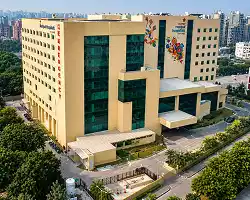
Dwarka - Delhi NCR
-

Gurugram - Delhi NCR
-
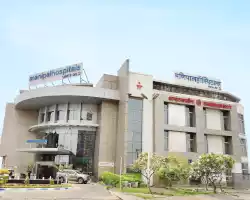
Ghaziabad - Delhi NCR
Didn’t find what you were looking for?
Get in touch with our representatives for help!
Request a CallbackSymptoms of Chronic Kidney Disease
Symptoms of chronic kidney disease often appear gradually and may include fatigue, swelling of the feet or face, nausea, and frequent urination at night. In advanced stages, patients may experience shortness of breath, muscle cramps, or changes in mental alertness.
How We Diagnose Chronic Kidney Disease
Nephrologists at Manipal Hospitals use a range of diagnostic tests to confirm CKD. Blood and urine tests assess kidney function and the efficiency of waste removal. Ultrasound and CT scans help identify structural abnormalities, while a kidney biopsy may determine the extent of tissue damage. These evaluations guide accurate kidney failure treatment in Delhi, ensuring targeted and timely medical care.
Treatment Options
Treatment for CKD depends on its stage and cause. It includes medications to control blood pressure and blood sugar, lifestyle and dietary modifications, and regular monitoring. In severe cases, dialysis or kidney transplantation may be recommended to replace lost kidney function.
What to Expect
Patients undergoing kidney treatment in Delhi at Manipal Hospitals receive comprehensive care designed to protect kidney function and improve long-term health. The multidisciplinary team of nephrologists, dietitians, and support staff works closely to personalise treatment based on diagnostic results, disease stage, and overall health.
Treatment may include medication management, diet planning with restricted salt and protein intake, and guidance on fluid control. For patients with kidney failure, dialysis and transplant options are discussed in detail to ensure clarity and confidence in decision-making. The hospital’s modern dialysis units and transplant facilities prioritise safety, comfort, and continuity of care. Post-treatment, patients receive ongoing monitoring to track kidney performance and manage associated conditions like diabetes or hypertension. Education and counselling sessions help them maintain healthy habits, medication adherence, and self-care routines.
As a leading kidney treatment hospital in Delhi, Manipal Hospitals combines innovative technology, clinical excellence, and compassionate care to deliver effective treatment outcomes. The team is dedicated to helping patients improve kidney health and enjoy a better quality of life.
Consult our Experts
FAQs
-
What are the leading causes of CKD?
The two most common causes are diabetes and high blood pressure. Both conditions damage the tiny blood vessels in the kidneys over time. Other causes include glomerulonephritis (inflammation), polycystic kidney disease, and long-term use of certain medications like NSAIDs (e.g., ibuprofen).
-
Why is CKD often called a "silent" disease?
In the early stages, most people have no symptoms. The kidneys are highly adaptable and compensate for damage until they have lost about 70–80% of their function. Symptoms like fatigue, swollen ankles, or changes in urination usually only appear when the disease is advanced.
-
How is kidney function measured?
Doctors primarily use two tests:
-
eGFR (Estimated Glomerular Filtration Rate): A blood test that checks how well the kidneys are filtering waste.
-
uACR (Urine Albumin-to-Creatinine Ratio): A urine test that looks for albumin (a protein). Finding protein in the urine is one of the earliest signs of kidney damage.
-
-
Can CKD be reversed?
Generally, damage to the kidneys in CKD is permanent and cannot be reversed. However, with early diagnosis and proper management, the progression can be significantly slowed or even halted, preventing the need for dialysis.
-
What does a "kidney-friendly" diet look like?
Depending on the stage of CKD, doctors often recommend:
-
Lowering salt (sodium) to manage blood pressure.
-
Monitoring protein intake to reduce the kidneys' workload.
-
Limiting potassium and phosphorus if levels in the blood become too high.
-
-
What are the complications of untreated CKD?
When kidneys fail, waste builds up in the blood (uremia). This can lead to anaemia (low red blood cells), bone disease (due to mineral imbalances), heart disease, and high potassium levels, which can be dangerous for the heart.
-
What happens if the kidneys fail completely?
If CKD progresses to Stage 5 (End-Stage Renal Disease), you need Renal Replacement Therapy, which involves the two commonly known options for kidney treatment in Delhi:
-
Dialysis: Using a machine or a special fluid in the abdomen to filter the blood.
-
Kidney Transplant: Surgically placing a healthy kidney from a donor into your body.
-



You’re on Our Indian Website
Visit the Global site for International patient services
'Click' to chat with us
