13.webp "Cerebral Palsy Treatment in Delhi | Manipal Hospitals")

Cerebral Palsy
Cerebral Palsy
At Manipal Hospitals, patients receive specialised cerebral palsy treatment in Delhi, aimed at improving motor skills, coordination, and the overall quality of life. Cerebral palsy is a neurological disorder that affects movement and posture. The condition often results from brain injury before, during, or shortly after birth. With early diagnosis and a multidisciplinary approach, experts help manage symptoms effectively and support better developmental outcomes for children.
Our Locations
-
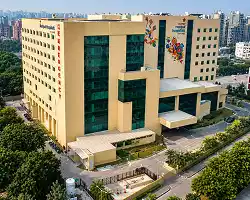
Dwarka - Delhi NCR
-

Gurugram - Delhi NCR
-

Ghaziabad - Delhi NCR
Didn’t find what you were looking for?
Get in touch with our representatives for help!
Request a CallbackSymptoms of Cerebral Palsy
Symptoms of cerebral palsy vary in severity. These may include delayed motor milestones, muscle stiffness or floppiness, involuntary movements, poor coordination, and difficulty walking or speaking. Some children may also experience learning challenges, seizures, or vision and hearing problems.
How We Diagnose Cerebral Palsy
Doctors diagnose cerebral palsy through a combination of physical and neurological evaluations. Imaging studies, such as MRI or CT scans, help identify brain abnormalities, while developmental and motor assessments evaluate muscle tone, reflexes, and movement patterns. Timely diagnosis ensures access to the best treatment for cerebral palsy in Delhi, allowing effective therapy and improved functional outcomes.
Treatment Options
Treatment for cerebral palsy focuses on enhancing movement, promoting independence, and improving quality of life. It includes physiotherapy, occupational as well as speech therapy, medications for muscle control, and, in some cases, orthopaedic or neurosurgical procedures.
What to Expect
Patients receiving cerebral palsy treatment in Delhi at Manipal Hospitals benefit from a comprehensive, team-based approach designed to meet each child’s unique needs. The treatment journey begins with detailed neurological and physical assessments to determine the severity of symptoms and create a personalised care plan.
A multidisciplinary team, comprising neurologists, physiotherapists, occupational therapists, and speech therapists, collaborates to improve muscle strength, coordination, and mobility. Individualised rehabilitation programs help children develop independence in daily activities while addressing communication and learning needs. The hospital also offers assistive devices, braces, and adaptive equipment to support better posture and movement. Parents receive counselling, education, and continuous guidance to ensure effective home-based care and emotional support. Regular follow-ups track progress and allow adjustments to therapy as the child grows.
Recognised for providing the best treatment for cerebral palsy in Delhi, Manipal Hospitals combines medical expertise, compassionate care, and advanced rehabilitation methods. This holistic approach helps children reach their developmental potential and enjoy a better quality of life.
Consult our Experts
FAQs
-
Is cerebral palsy a disease?
No, it is a neurological disorder or a clinical "umbrella term." It is not contagious, and it is not progressive, meaning the brain injury itself does not get worse over time, though the physical impact on muscles and joints can change as a person ages.
-
What are the primary causes of CP?
Most cases (85–90%) are congenital, occurring before or during birth. Common triggers include gene mutations, maternal infections, fetal strokes, or a lack of oxygen during a difficult delivery. Acquired CP can happen in early infancy due to brain infections (like meningitis) or head injuries.
-
What are the different types of cerebral palsy?
According to the CDC, there are four main types based on the movement involved:
-
Spastic CP: The most common type; muscles are stiff and movements awkward.
-
Dyskinetic CP: Characterised by uncontrollable, jerky, or slow writhing movements.
-
Ataxic CP: Affects balance and depth perception.
-
Mixed CP: A combination of more than one type.
-
-
How early can a child be diagnosed?
While some severe cases are identified shortly after birth, most children are diagnosed between 12 and 24 months of age. Doctors look for "developmental delays," such as a baby not reaching milestones like sitting up, crawling, or walking at the expected time.
-
Does CP always affect intelligence?
No. While some individuals with CP may have an intellectual disability, many others have average or above-average intelligence. The physical inability to speak or move easily does not reflect a person's cognitive ability or potential.



You’re on Our Indian Website
Visit the Global site for International patient services
'Click' to chat with us
