
.webp "Breast Cancer Treatment in Delhi | Manipal Hospitals")
Breast Cancer
Breast Cancer
Manipal Hospitals offers comprehensive breast cancer treatment in Delhi, with a focus on early detection, accurate diagnosis, and specialised care tailored to each patient’s needs. Breast cancer occurs when cells in the breast tissue multiply uncontrollably, influenced by factors such as genetic mutations, hormonal influences, age, or lifestyle habits. Early diagnosis by oncologists enhances treatment outcomes, survival rates, and overall quality of life.
Our Locations
-
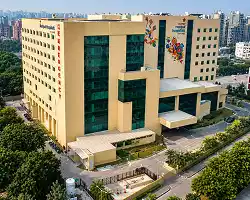
Dwarka - Delhi NCR
-
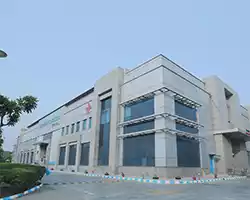
Gurugram - Delhi NCR
-
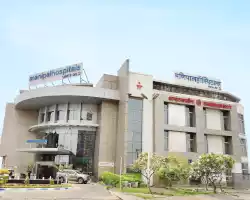
Ghaziabad - Delhi NCR
Didn’t find what you were looking for?
Get in touch with our representatives for help!
Request a CallbackSymptoms of Breast Cancer
Common signs and symptoms may include a new lump or thickening in the breast or underarm, unexplained nipple discharge, changes in breast size or shape, skin dimpling or redness, nipple inversion, or persistent pain. Any unusual change should be evaluated promptly.
How We Diagnose Breast Cancer
Diagnosis begins with a detailed medical history and clinical breast examination. Specialists may recommend imaging tests such as mammography, breast ultrasound, or MRI for detailed evaluation. If abnormalities are detected, a biopsy is performed to confirm the presence and type of cancer. Advanced diagnostic support enables precise staging and personalised breast cancer management at Manipal Hospitals, Delhi.
Treatment Options
Treatment approaches include Surgery, Chemotherapy, Radiation Therapy, Targeted Therapy, Immunotherapy, and Hormone Therapy. In many cases, a combination of these modalities is used. The team individualises each plan based on cancer type, stage, and the patient’s overall health.
What to Expect
Patients undergoing breast cancer treatment in Delhi at Manipal Hospitals receive specialised, multidisciplinary care from diagnosis through long-term recovery. Treatment may begin with surgery or systemic therapies such as chemotherapy, depending on the tumour stage and overall health. Radiation therapy, targeted therapies, and hormonal therapy may be included to destroy remaining cancer cells and reduce recurrence risk.
Throughout the treatment journey, patients receive continuous support. This includes symptom management, emotional counselling, and nutritional and rehabilitation services to improve recovery and daily functioning. Regular follow-ups allow the medical team to monitor progress closely and provide timely interventions, helping maintain long-term health outcomes.
Manipal Hospitals is recognised for delivering the best breast cancer treatment in Delhi, supported by modern technology and skilled cancer experts. A dedicated nursing and support team ensures patient comfort, confidence, and safety at every step. The focus remains on restoring health, promoting well-being, and helping patients return to normal life with strength and resilience.
Consult our Experts
FAQs
-
What are the options for breast cancer treatment in Delhi?
A standard multimodal approach is followed, wherein it begins with a surgery (lumpectomy/breast-conserving or mastectomy with sentinel node biopsy), chemotherapy (neoadjuvant/adjuvant like AC-T), radiation (for early stages post-lumpectomy), hormone therapy (tamoxifen for ER+), targeted therapy (Herceptin for HER2+), and immunotherapy.
-
Is breast reconstruction possible after mastectomy?
Yes, immediately or delayed using implants, tissue flaps (DIEP/LATISSIMUS), or hybrid are performed by oncoplastic surgeons at centres like Manipal Dwarka. These procedures restore symmetry/confidence, with 95% satisfaction and minimal added recovery (4-6 weeks).
-
How effective is chemotherapy for breast cancer?
Chemotherapy is highly effective, significantly reducing the risk of breast cancer recurrence and improving survival rates. For early-stage patients, it can lower the chance of the cancer returning by 30% to 50%. Its effectiveness depends on the cancer’s subtype (like Triple-Negative or HER2-positive) and stage.
It works by killing rapidly dividing cells throughout the body. In advanced cases, chemotherapy acts as a vital tool to shrink tumors, manage symptoms, and extend life. While success varies per individual, it remains a standard of care for preventing spread and treating aggressive or high-risk diagnoses.
-
What is the recovery time after breast cancer surgery?
Recovery from breast cancer surgery typically takes 2 to 6 weeks, depending on the procedure.
-
Lumpectomy: Most people return to light activities within 1 week, with full recovery in 2–3 weeks.
-
Mastectomy: Recovery usually takes 4 to 6 weeks. Patients often go home with surgical drains that remain for 1–2 weeks.
Initial soreness and restricted arm movement are common. While most feel "back to normal" physically within two months, numbness or tingling in the chest and arm can persist longer.
-
-
When is radiation therapy needed, and what are the side effects?
Radiation therapy is used to cure localised cancer, shrink tumours before surgery, or kill remaining cells afterwards. It also provides palliative relief by reducing pain in advanced cases.
Side effects are usually localised to the treatment area:
-
General: Fatigue and skin irritation (redness/peeling) are most common.
-
Area-Specific: Head/neck treatment causes dry mouth; abdominal treatment leads to nausea or diarrhoea; chest radiation may cause shortness of breath.
-
Long-term: Scarring (fibrosis) or fertility issues may occur depending on the site.
Most side effects fade within weeks of finishing treatment.
-



You’re on Our Indian Website
Visit the Global site for International patient services
'Click' to chat with us
