2.webp "Brain Cancer Treatment in Delhi | Manipal Hospitals")

Brain Tumors
Brain Tumors
Manipal Hospitals offers advanced brain cancer treatment in Delhi, focusing on accurate diagnosis, precision surgery, and multidisciplinary care. A brain tumour is a lump of abnormal cells growing in the brain, which can be benign (non-cancerous) or malignant (cancerous). Although the exact cause of brain tumours is unknown, genetic factors and radiation exposure are recognised risk factors. Early and expert evaluation is crucial to ensure timely and effective treatment.
Our Locations
-
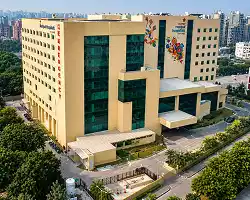
Dwarka - Delhi NCR
-

Gurugram - Delhi NCR
-
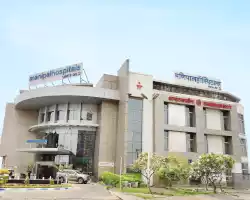
Ghaziabad - Delhi NCR
Didn’t find what you were looking for?
Get in touch with our representatives for help!
Request a CallbackSymptoms of Brain Tumors
Brain tumours exhibit various symptoms depending on where the tumour is located, its type, and size. Symptoms may include headaches, nausea, vomiting, balance issues, and cognitive changes related to the tumour’s location and growth rate.
How We Diagnose Brain Tumors
The doctor begins with a detailed neurological assessment and medical history review. Imaging studies such as MRI, CT scans, or PET scans help identify tumour size and location. A biopsy or advanced molecular testing confirms the tumour type. Functional tests assess the impact on brain activity, guiding precise and individualised brain cancer treatment.
Treatment Options
The main treatments for brain tumours are surgery, radiotherapy, chemotherapy, and medicines to control symptoms. Depending on the type of tumour, treatment might be tailored to achieve optimal outcomes for patients seeking brain tumour treatment in Delhi, NCR.
What to Expect
Patients undergoing brain cancer treatment in Delhi receive comprehensive, patient-centred care from diagnosis through recovery. The treatment journey begins with thorough imaging, neurological evaluation, and tumour mapping to determine the most suitable approach. The recommended treatment depends on the tumour type and its location within the brain. Surgeons use advanced techniques such as minimally invasive or image-guided surgery to enhance accuracy and safety. We
Following surgery, patients may undergo radiation or chemotherapy to eliminate residual tumour cells and prevent recurrence. The hospital’s rehabilitation services, including physiotherapy, speech therapy, and occupational therapy, play a vital role in restoring neurological function and improving quality of life.
Emotional well-being and family support are integral to the care journey. Dedicated specialists provide counselling and continuous follow-up to monitor progress and manage any long-term effects. Manipal Hospitals is recognised for delivering advanced brain tumour treatment in Delhi, NCR. It is supported by modern technology and expert neuro-oncologists dedicated to helping patients regain strength, independence, and confidence.
Consult our Experts
FAQs
-
What is a brain tumour, and are they all cancerous?
A brain tumour is a mass of abnormal cells growing in or around the brain. No, they are not all cancerous. About one-third are malignant (cancerous), while the others are benign (non-cancerous). However, even benign tumours can be serious because the skull is a rigid space, and any growth can press on vital brain structures.
-
What are the most common early warning signs?
Symptoms vary based on the tumour's size and location, but common signs include:
-
Persistent headaches that are often worse in the morning or wake you up at night.
-
New-onset seizures in someone without a history of epilepsy.
-
Unexplained nausea or vomiting, particularly in the early morning.
-
Vision or hearing changes, such as blurred vision or ringing in one ear.
-
Sudden personality changes, memory lapses, or confusion.
-
-
What is the difference between primary and secondary brain tumours?
-
Primary tumours originate directly in the brain or its immediate surroundings (like the meninges).
-
Secondary (metastatic) tumours are more common; they start as cancer elsewhere in the body—such as the lung, breast, or colon—and then spread to the brain.
-
-
How are brain tumours diagnosed?
Diagnosis typically begins with a neurological exam to check your vision, hearing, balance, and reflexes. If a tumour is suspected, doctors use advanced imaging like MRI (the gold standard) or a CT scan to see the exact size and location. A biopsy is often necessary to confirm the exact type and grade of the tumour.
-
What does the "grade" of a brain tumour mean?
Brain tumours are graded from 1 to 4 based on how abnormal the cells look and how fast they grow:
-
Grade 1 & 2: Slow-growing and least aggressive.
-
Grade 3 & 4: Fast-growing, aggressive, and more difficult to treat.
-
-
Are brain tumours hereditary?
Most brain tumours are sporadic, meaning they happen randomly. Only about 5% to 10% are linked to rare inherited genetic syndromes like Neurofibromatosis or Li-Fraumeni syndrome.
-
What are the options for brain tumour treatment in Delhi?
Treatment is highly individualised and may include the following:
-
Surgery: Often, the first step is to remove as much of the tumour as safely possible.
-
Radiation Therapy: Using high-energy beams to destroy remaining cancer cells.
-
Chemotherapy: Drugs used to kill cancer cells throughout the body.
-
Targeted Therapy: Newer drugs that attack specific vulnerabilities within cancer cells.
-



You’re on Our Indian Website
Visit the Global site for International patient services
'Click' to chat with us
